
Eye Health Blog
Evidence-based articles from our Braddon, Canberra ophthalmologists — cataracts, glaucoma, eye injections, children's vision and more.
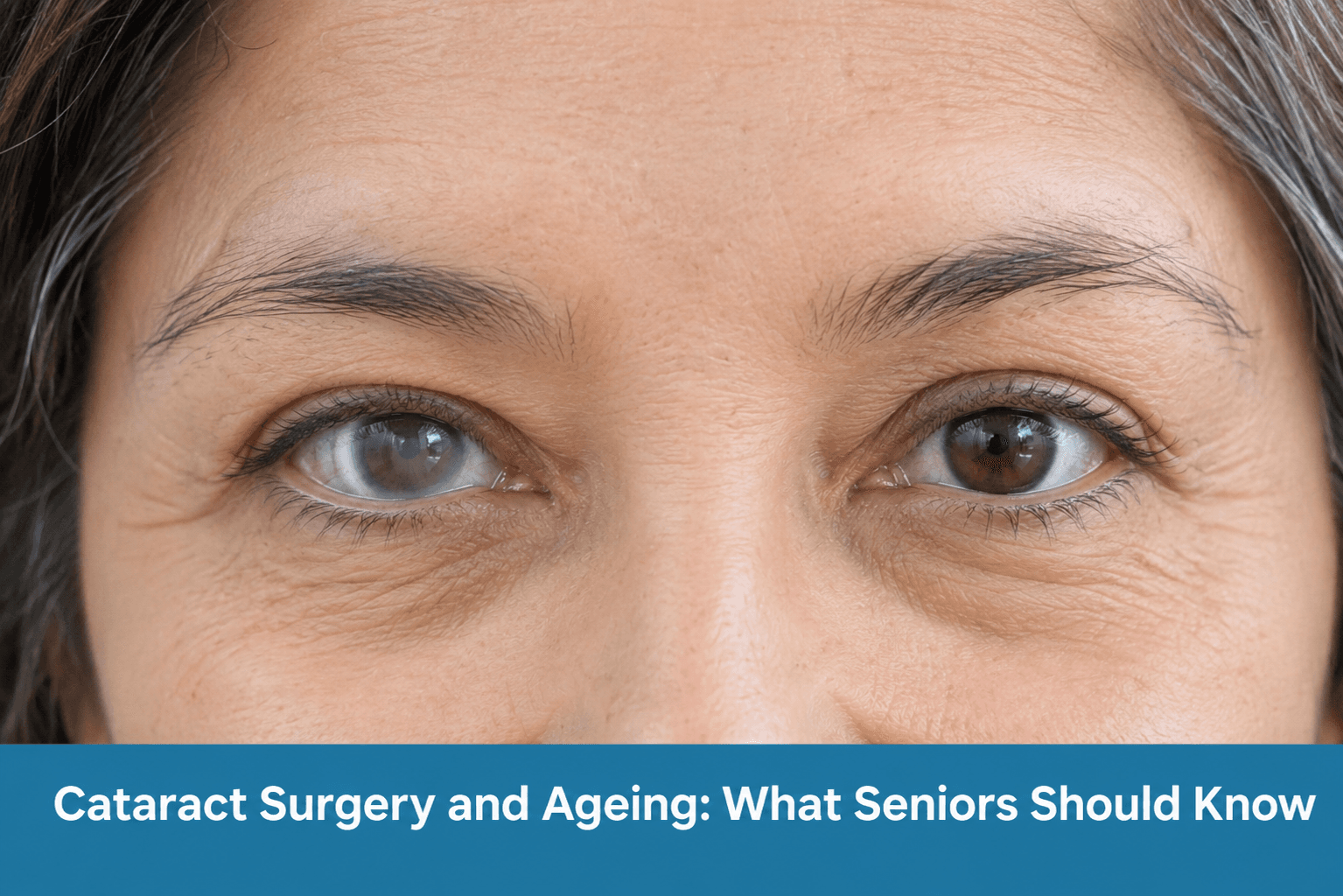
Cataract Surgery and Ageing: What Seniors Should Know
Cataracts become almost universal with age. Understand the types, symptoms, surgery procedure, IOL options, and recovery — everything Australian seniors need to know.
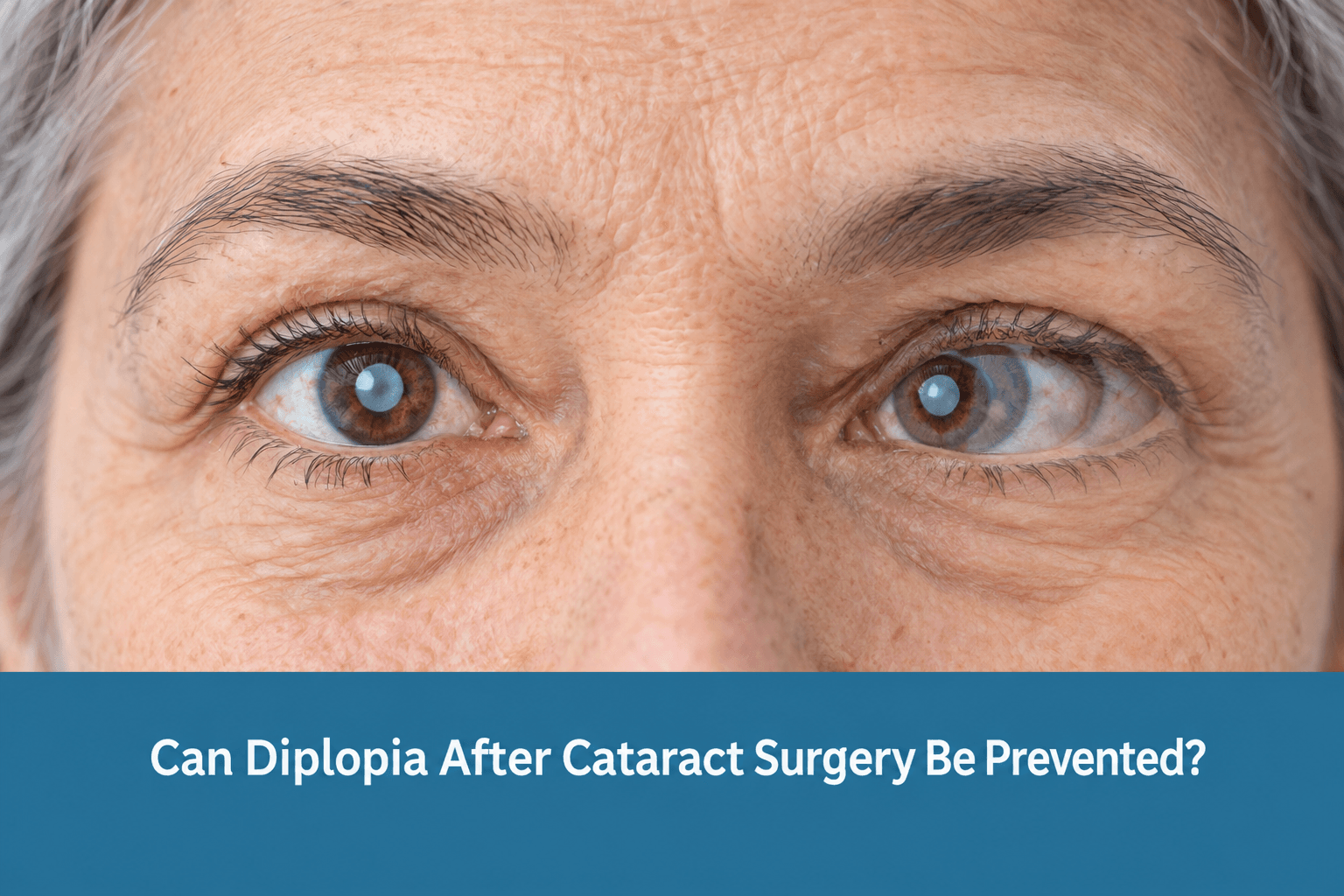
Can Diplopia After Cataract Surgery Be Prevented?
Double vision after cataract surgery is uncommon but distressing. Understand the causes, which risk factors can be addressed beforehand, and the treatments available when it occurs.
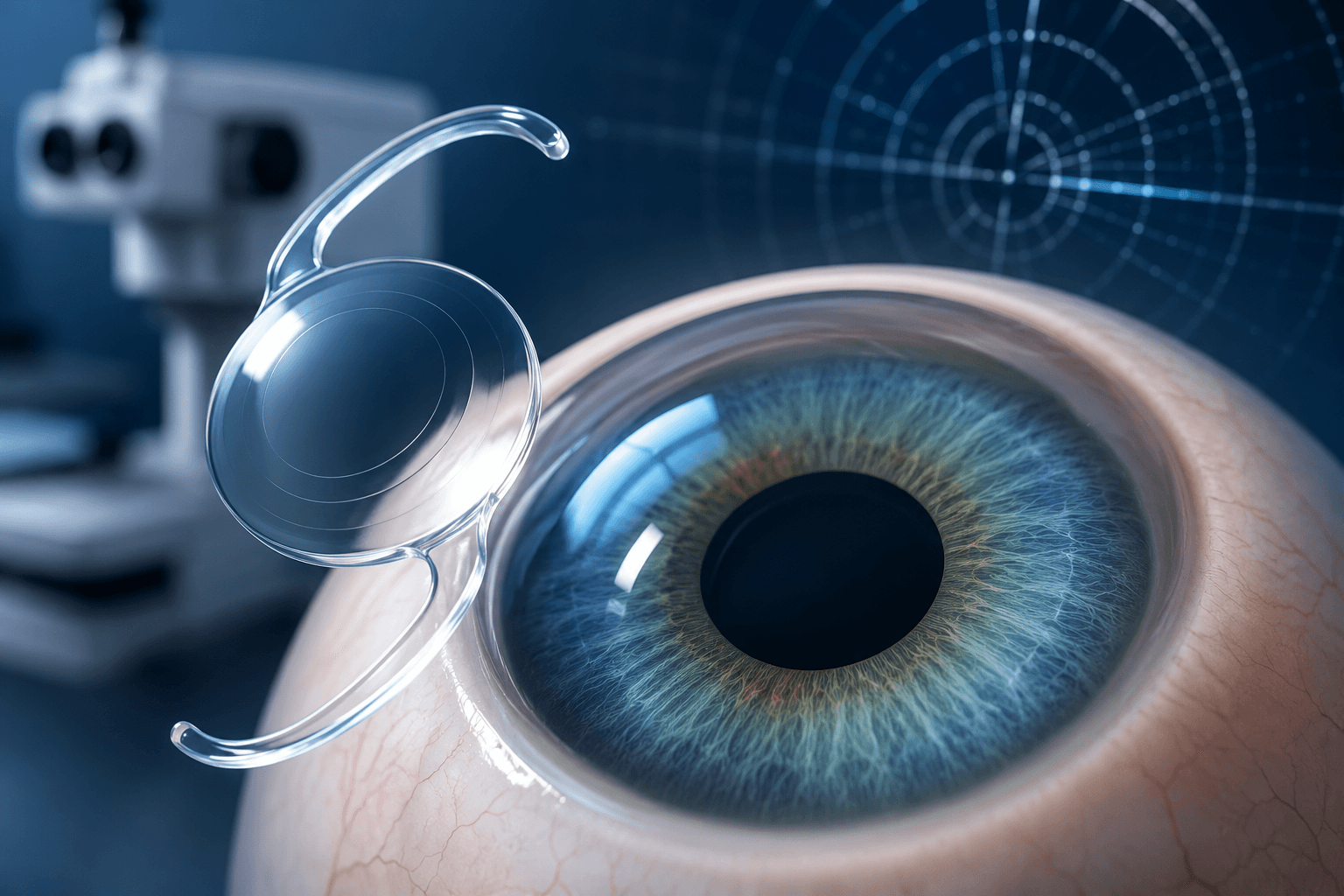
Toric IOLs for Astigmatism: Do They Really Reduce the Need for Glasses?
Toric intraocular lenses correct astigmatism during cataract surgery — but do they actually mean fewer glasses afterwards? Here's what the evidence shows.
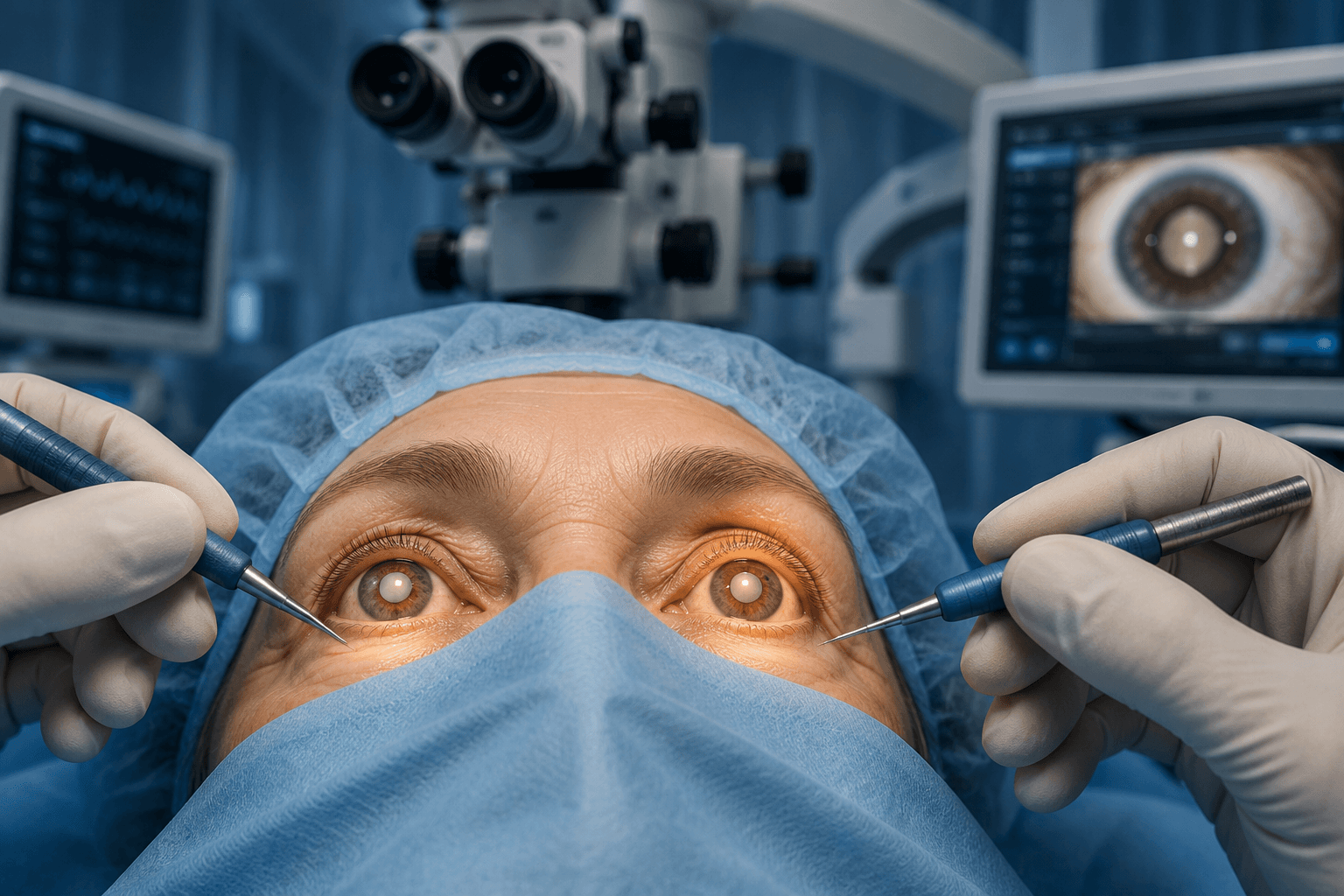
Bilateral Cataract Surgery: One Eye at a Time, or Both Together?
If both your eyes have cataracts, should you have them done separately or on the same day? We break down the pros, cons and who each approach suits.

What Are the Different Types of Lens for Cataract Surgery?
Monofocal, multifocal, EDOF or toric — the lens you choose shapes your vision for life. Here's how the main intraocular lens options compare.

How Long After Cataract Surgery Can I See Clearly?
Most patients notice clearer vision within days, with full healing over a few months. Here's the realistic week-by-week recovery timeline.
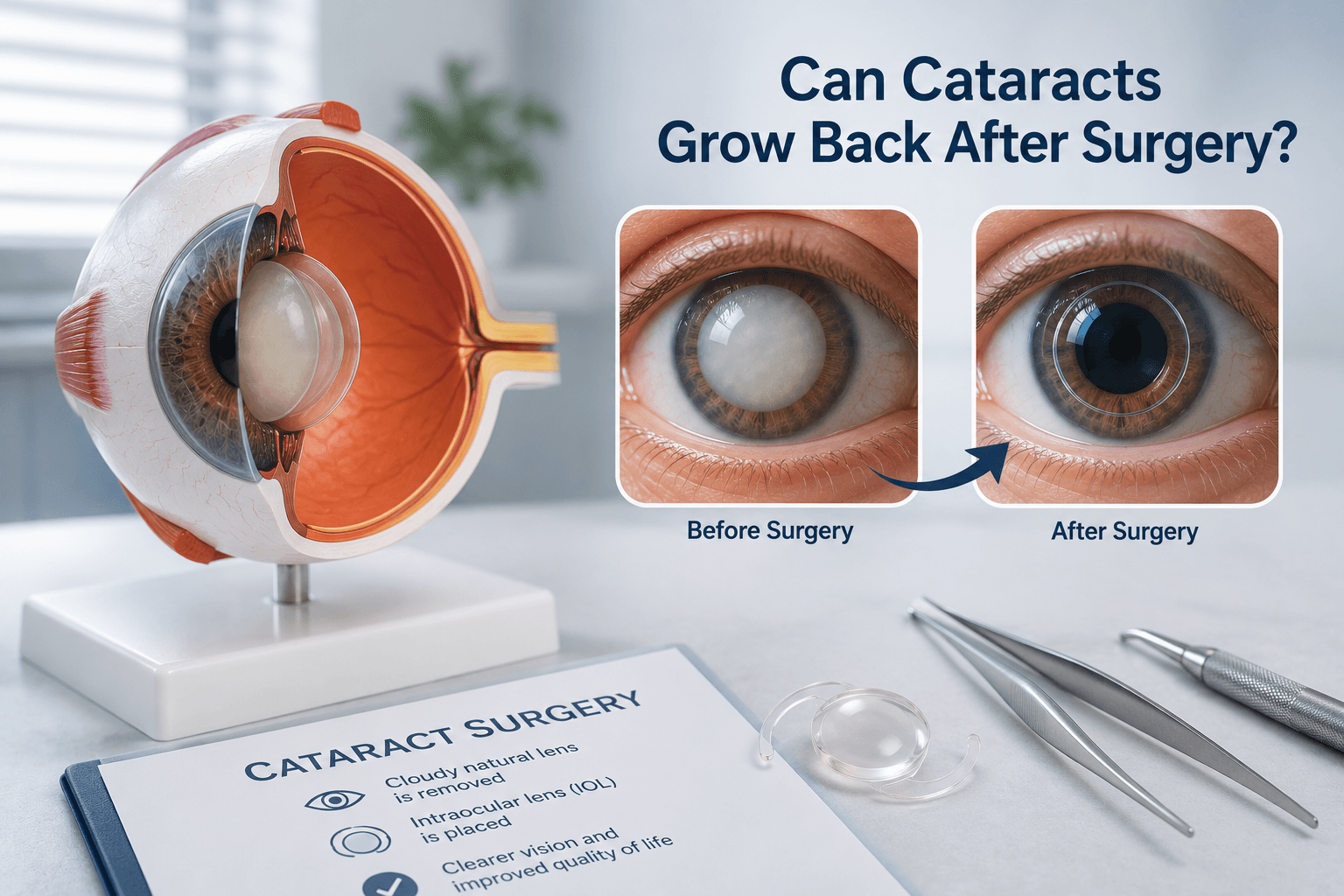
Can Cataracts Grow Back After Surgery? Myths, Facts & PCO Explained
Cataracts can't return after surgery — but cloudy vision can come back for a different reason. Here's the truth about posterior capsule opacification.
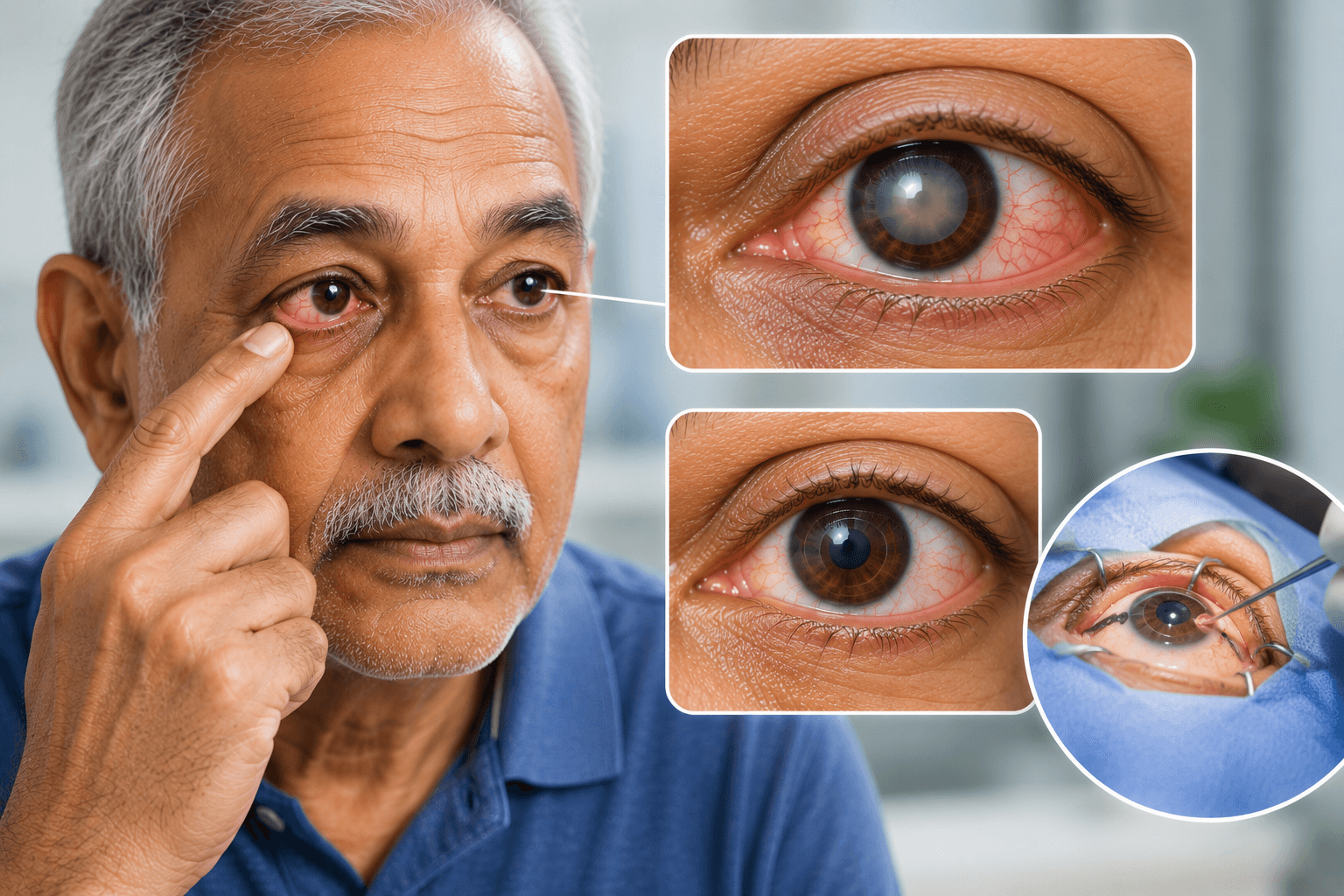
Bloodshot Eyes After Cataract Surgery: Causes, Recovery & When to Seek Help
A red eye after cataract surgery looks alarming but is usually harmless. Here's what causes it, the realistic recovery timeline, and the warning signs to watch for.
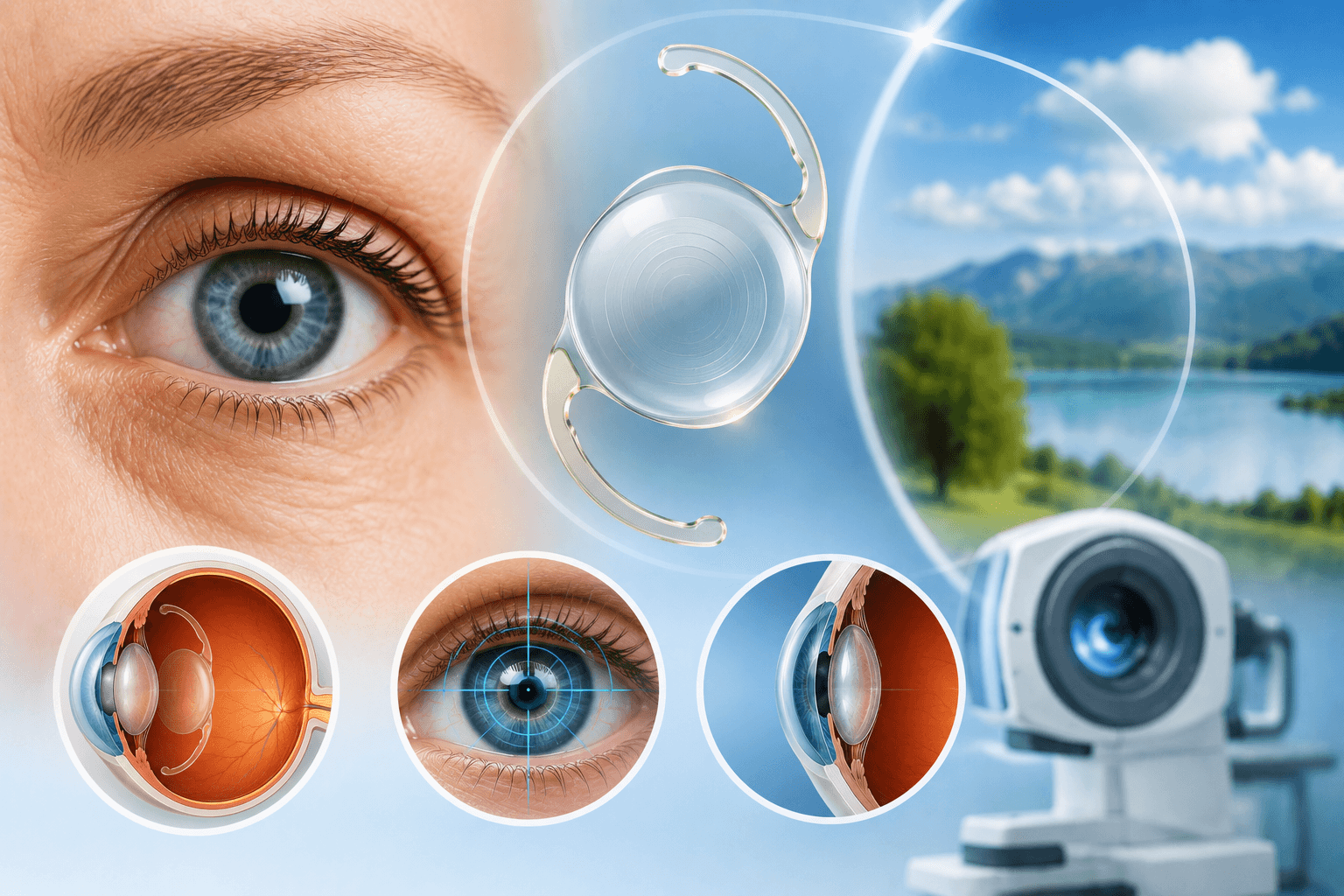
Premium Intraocular Lenses (IOLs): Enhancing Vision Post-Cataract Surgery
Standard IOLs correct distance vision; premium IOLs can reduce your need for glasses altogether. Types, who they suit, costs and what recovery looks like.
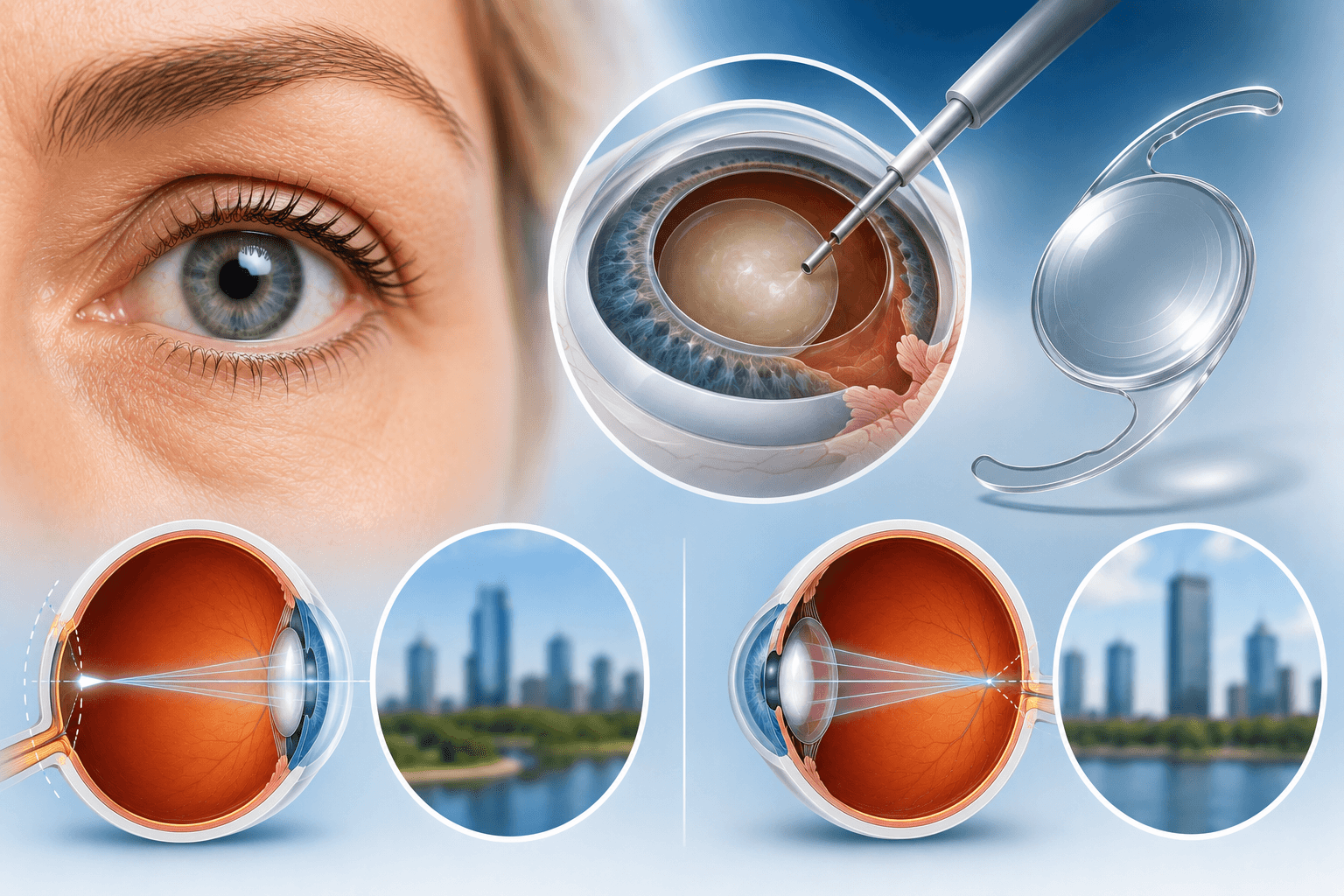
Cataract Surgery for High Myopia, Hyperopia and Other Refractive Errors
Long or short eyes need more careful planning for cataract surgery. Why refractive extremes matter, the added precautions taken, and what outcomes to expect.

Can You Have Cataract Surgery in Both Eyes at the Same Time?
Both eyes affected by cataracts doesn't always mean both eyes operated on the same day. Here's when same-day surgery makes sense — and when it doesn't.

What Does Vision Look Like with Cataracts?
Cataracts change your vision gradually and in very specific ways. Here's what patients actually describe seeing — and how it differs from other conditions.

What to Know About Posterior Subcapsular Cataracts
Posterior subcapsular cataracts affect the back of the lens and often progress faster than other types. What sets them apart and how they're treated.

Cataract Surgery Recovery: Week-by-Week Guide
A clear, week-by-week guide covering vision changes, activity restrictions, drops routine and when to call your surgeon after cataract surgery.
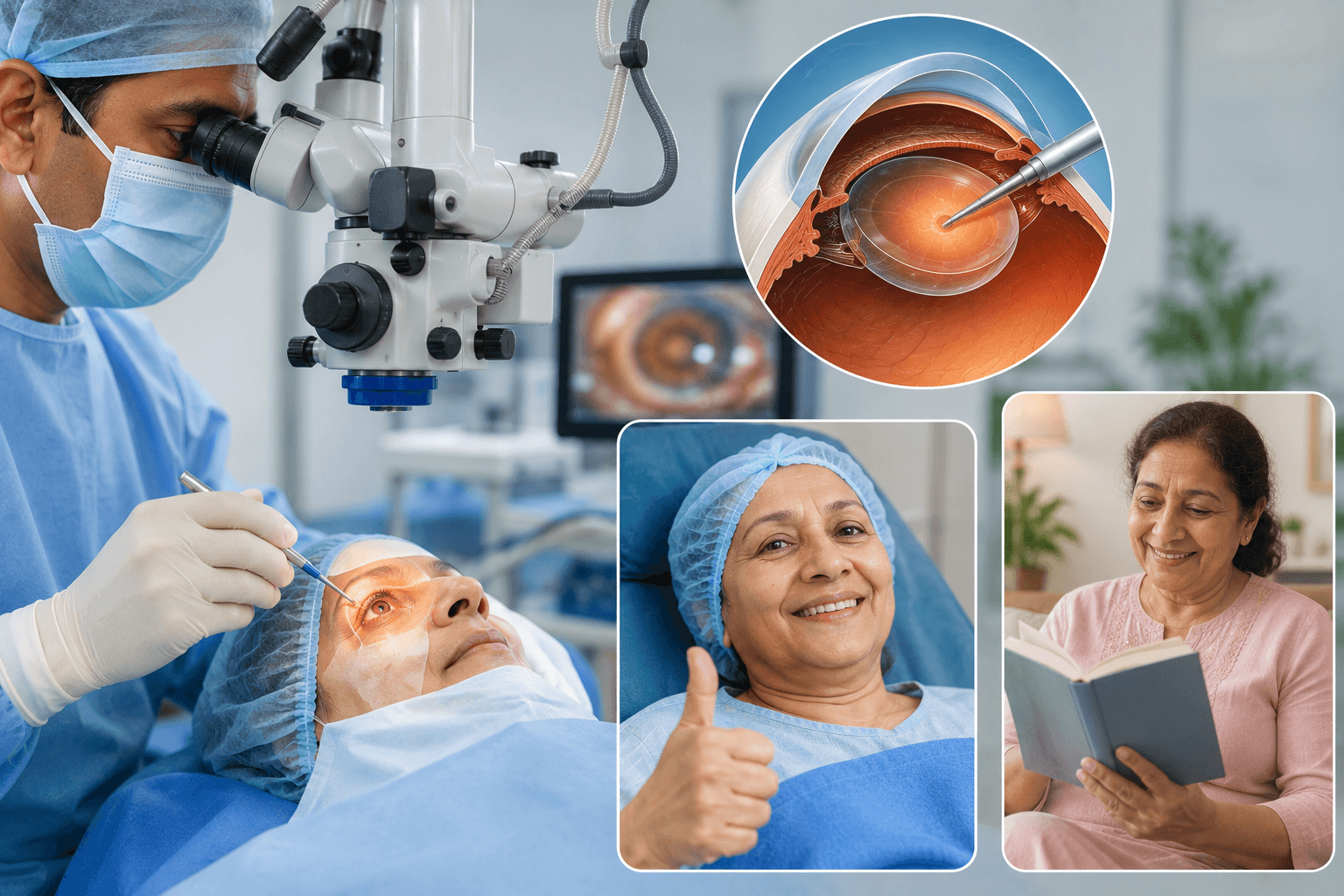
Is Cataract Surgery Painful?
Most people are surprised by how little discomfort they feel during or after cataract surgery. Here's exactly what to expect — and when to seek help.
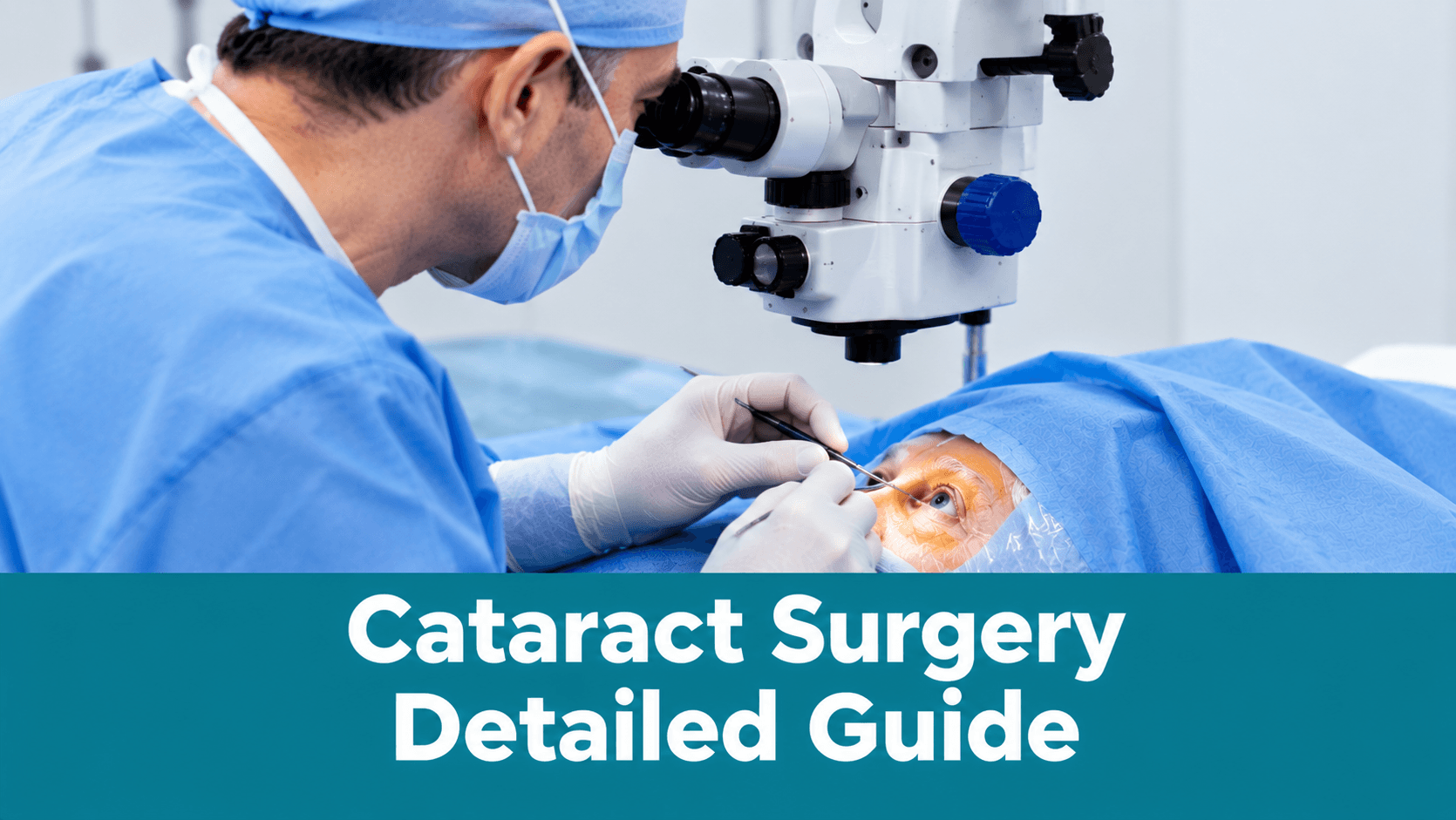
Cataract Surgery: A Detailed Guide
Everything you need to know about cataract surgery in one place — how it works, what the procedure involves, lens options, costs, recovery and long-term outcomes.
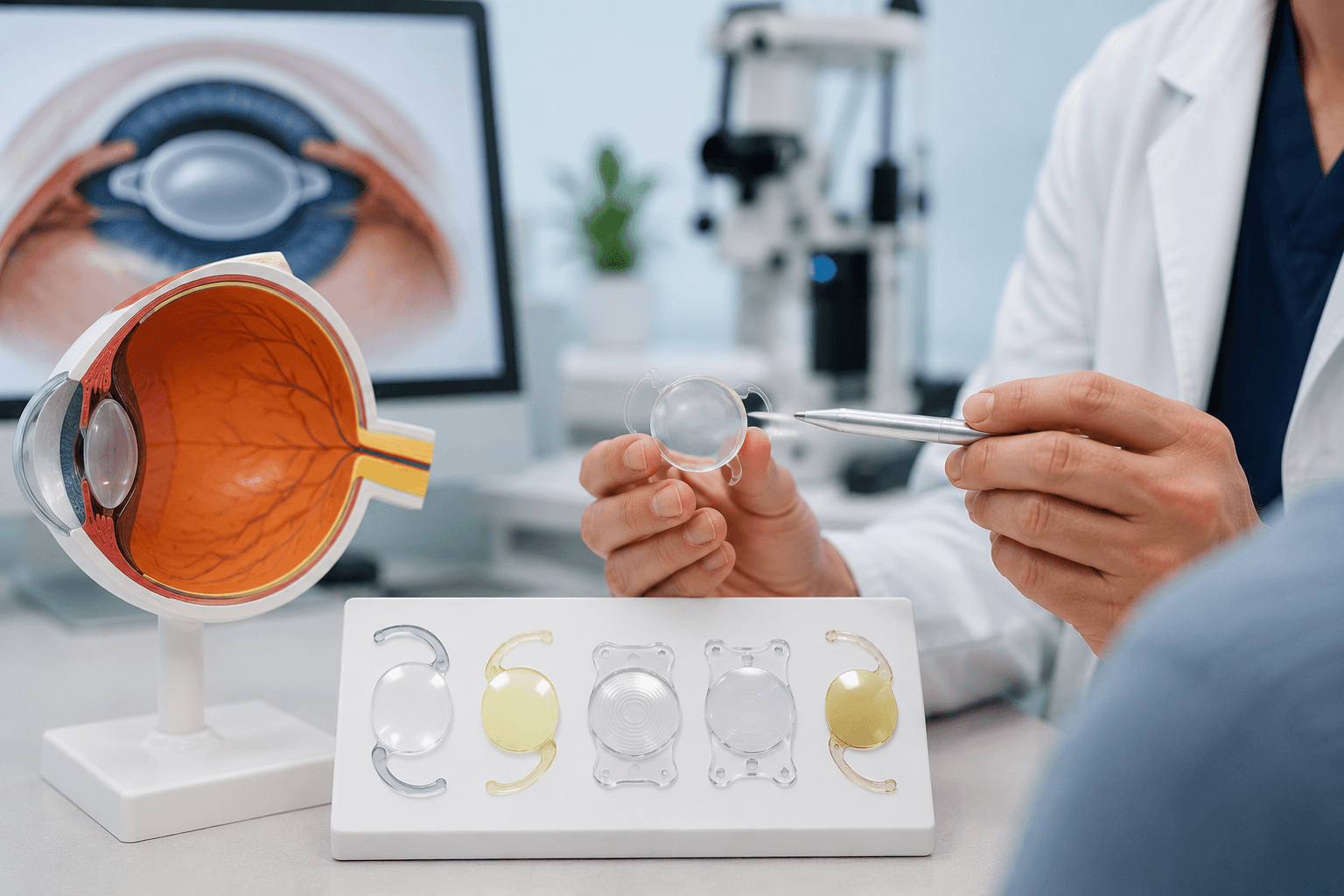
IOL Cataract Surgery Guide: Choosing the Right Intraocular Lens
The intraocular lens you choose during cataract surgery determines your vision for life. A complete guide to every type — monofocal, multifocal, EDOF and toric.