
Cataract Surgery in Canberra
Specialist cataract surgery from experienced ophthalmologists in Braddon, Canberra — restoring clear vision with modern lens replacement techniques.
Medically Reviewed

Last medically reviewed on 29 June 2026. This page is educational and is not a substitute for personalised medical advice.
What is cataract surgery?
A cataract develops when the eye's natural lens becomes cloudy, causing blurred or dimmed vision. Cataract surgery — also known as lens replacement surgery — removes the cloudy lens and replaces it with a clear, artificial intraocular lens (IOL).
It's one of the most common and safest surgical procedures performed today. The procedure itself is painless, and most patients notice meaningfully clearer vision within days to weeks.
Symptoms of Cataract
Cataracts are usually painless. See an ophthalmologist if your vision is no longer as clear as it used to be, for either distance or near focus.
Blurred, hazy or cloudy vision
Difficulty seeing clearly at night
Increased sensitivity to bright light
Halos around lights, such as street lamps or car headlights
Double vision or ghosting of images
Colours appearing faded or less vivid than they used to
See a doctor urgently if you experience sudden vision changes — double vision, flashes of light, sudden eye pain or a sudden headache.
Causes of Cataract
Age-related changes
Most cataracts develop as proteins in the eye's lens gradually build up and cloud over time — almost everyone develops some degree of cataract if they live long enough.
Health conditions & medication
Diabetes, previous eye injury or surgery, and long-term steroid use can all increase the risk of cataract formation.
Genetic & congenital factors
Inherited genetic conditions can raise cataract risk, and some cataracts are congenital — present at birth — a leading cause of childhood vision loss.
Types of Cataract Surgery
 1
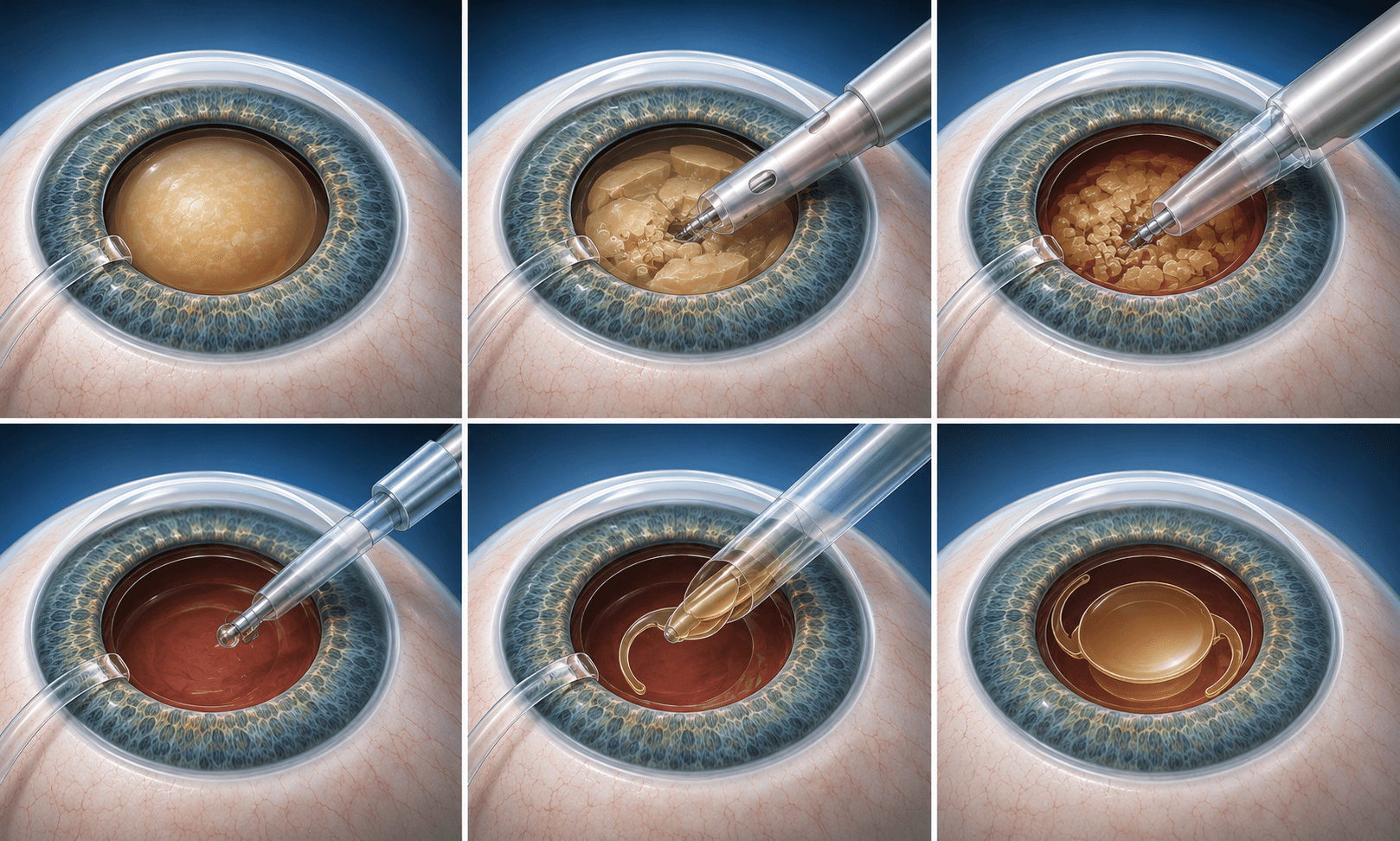
1Phacoemulsification
The most common technique. Ultrasonic waves break the cloudy lens into small pieces, delivered through a self-sealing wound less than 2.5mm wide. The fragments are gently removed by suction, and a clear artificial intraocular lens (IOL) is inserted in their place.
 2
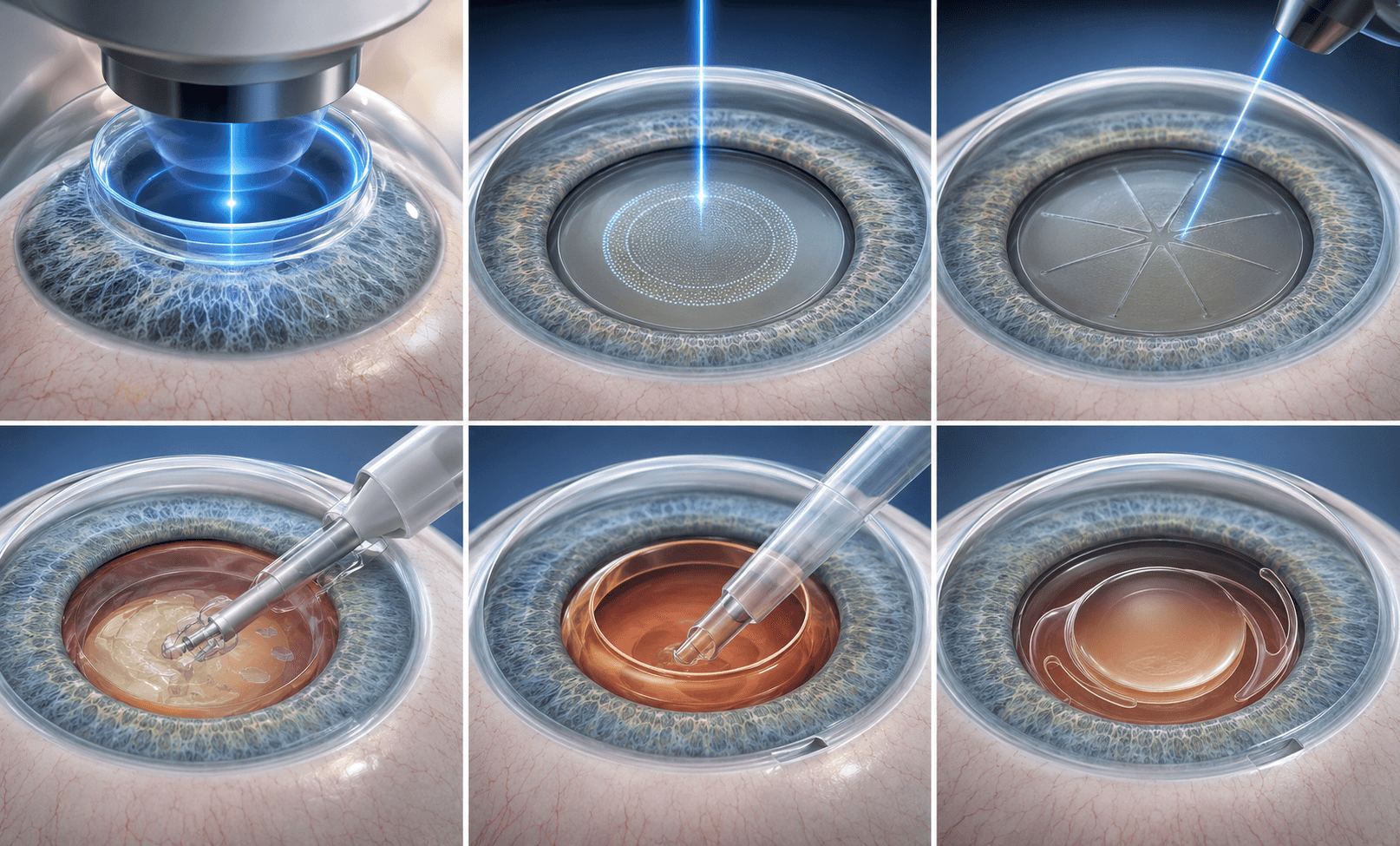
2Femtosecond Laser-Assisted Cataract Surgery (FLACS)
A laser performs some surgical steps — the initial incision, opening the lens capsule, and softening the lens. Studies show broadly equivalent outcomes to standard phacoemulsification, though FLACS may reduce the ultrasound energy needed for advanced, mature cataracts.
How cataracts are diagnosed
Early diagnosis helps monitor cataract progression and determine the right time for surgery. A comprehensive examination may include:
Visual Acuity Test
A standard eye chart test measuring how well you see at various distances.
Slit-Lamp Examination
A specialised microscope examines the cornea, iris and lens for clouding or abnormalities.
Dilated Eye Exam
Eye drops widen the pupils so your ophthalmologist can assess the cataract and check for other conditions.
Tonometry
Measures pressure inside the eye to check for glaucoma, which can coexist with cataracts.
Glare & Contrast Sensitivity
Assesses how bright light, glare and low-contrast conditions affect your vision.

Why choose Clarity Eye Surgeons
Named-Surgeon Continuity
You're cared for by the same ophthalmologist from consultation through surgery and recovery — never passed between providers.
Modern Surgical Technology
Precision diagnostic and surgical equipment, including advanced biometry and imaging, supports accurate lens selection and outcomes.
Local Braddon Clinic
A purpose-built clinic in Braddon, Canberra, with both private and public surgical options close to home.
Patient-First Communication
Clear, unhurried explanations at every step, so you understand your options and feel confident in your care.
Choosing your lens implant
Each lens type has different advantages. Your ophthalmologist will help you choose the best option for your lifestyle and vision goals.
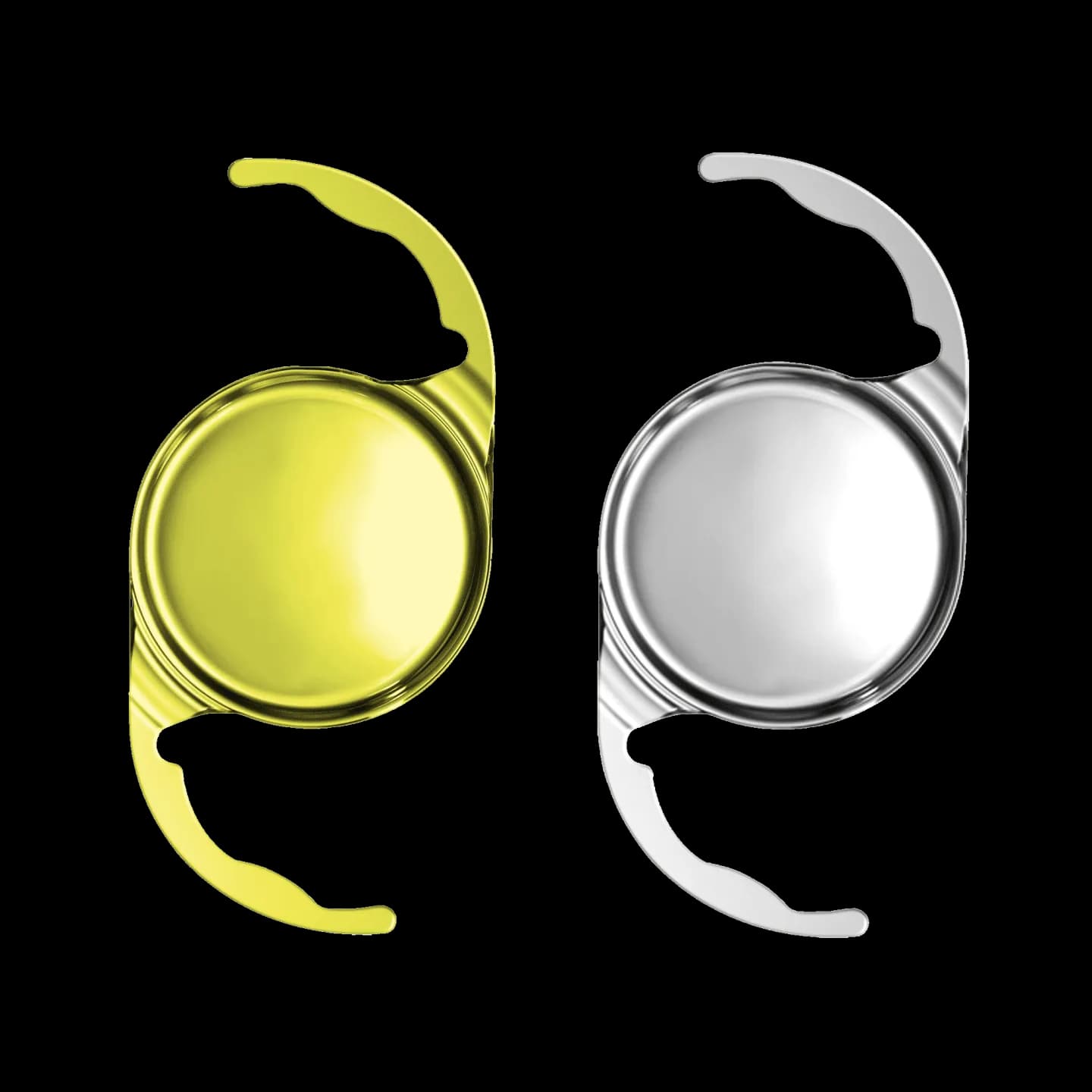
Monofocal Lens
A single, fixed focus point — usually set for clear distance vision. Reading glasses are typically still needed.
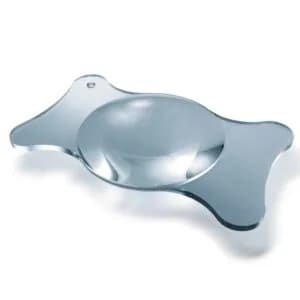
Toric Lens
Corrects pre-existing astigmatism for clearer vision in patients with an irregularly shaped cornea.
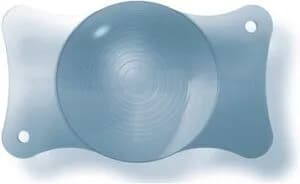
Extended Depth of Focus (EDOF)
Provides good distance and intermediate vision — useful for computer screens, dashboards and television.
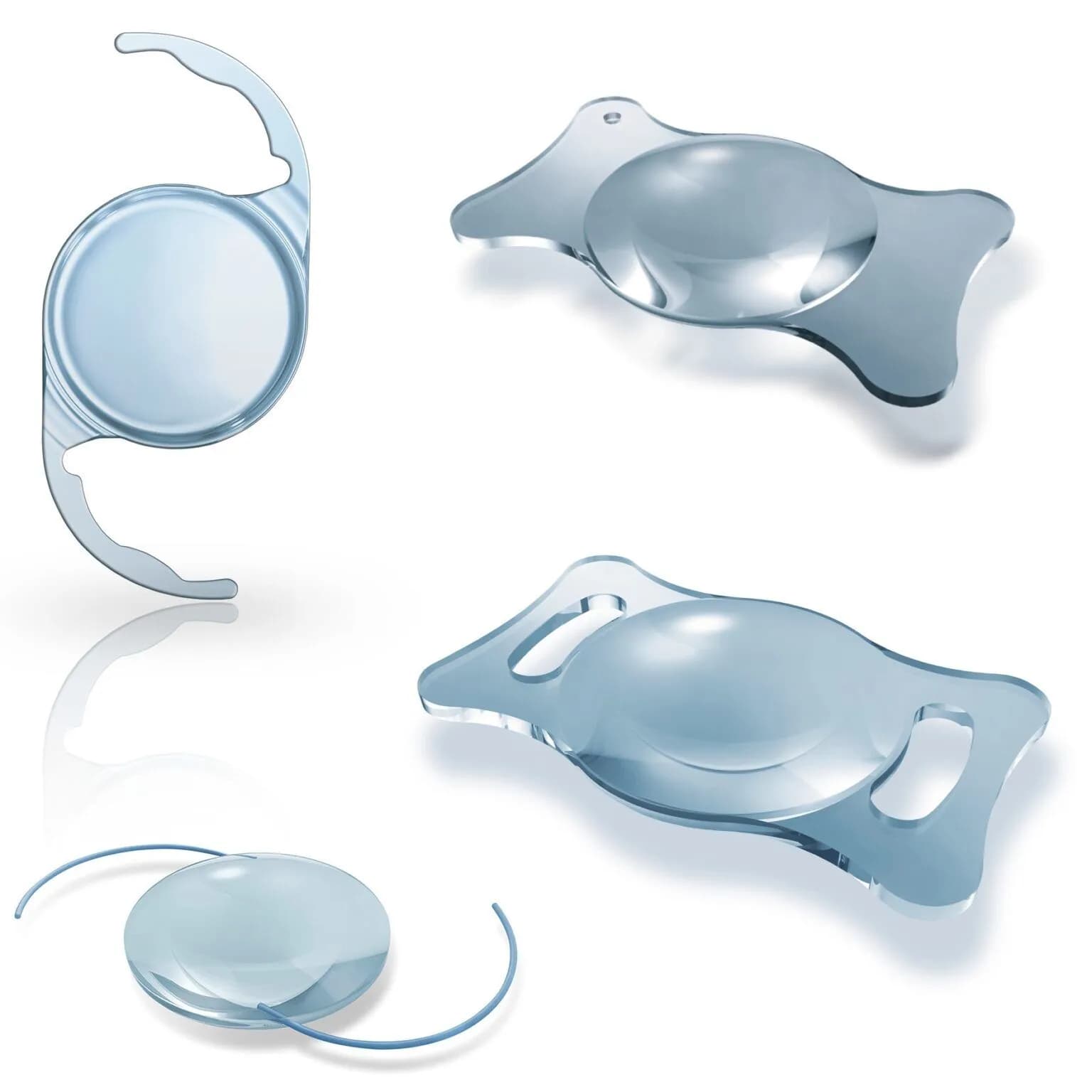
Multifocal Lens
Splits light across distance, intermediate and near focus, reducing dependence on glasses at the cost of some contrast sensitivity.
Preparing for Cataract Surgery
From your first consultation to the day of surgery, here's what to expect.
- 1
Comprehensive Consultation
Your ophthalmologist explains the surgical process in detail and discusses which lens options suit your lifestyle and vision goals.
- 2
Eye Measurements
Precise measurements of your eye are taken to calculate the exact power needed for your artificial lens implant.
- 3
Lens Ordering
Your personalised intraocular lens is ordered ahead of your scheduled surgery date.
- 4
Pre-Operative Instructions
You may need to fast for a few hours and pause certain medications, such as blood thinners. Arrange for someone to drive you to and from the clinic on the day.
What happens during surgery?
Anaesthesia
Numbing eye drops or a local injection, plus medication to help you relax. You stay awake, but the eye itself is numbed — the procedure shouldn't hurt.
Positioning
You'll be lying flat, or at a slight angle, for the duration of the procedure.
Lens Removal
Using an operating microscope, your surgeon makes a tiny incision, then breaks up and removes the cloudy lens.
New Lens Inserted
The artificial intraocular lens is placed, followed by an antibiotic injection to reduce the risk of infection.
Recovery & Aftercare
Most patients notice their vision improving within a week, with full healing over around four weeks. An eye shield is worn the first night, and prescription anti-inflammatory drops are used twice daily for about four weeks.
Do
- Use your prescription eye drops exactly as instructed
- Wear the protective plastic shield at night as advised
- Attend all follow-up appointments
Don't
- Rub or touch the surface of your eye
- Let tap water or soap get into the eye
- Do strenuous activity or heavy lifting
- Wear eye makeup for at least one week
- Drive or fly until your surgeon clears you
- Swim for four weeks after surgery
Risks & Complications
Cataract surgery is very safe, but as with any medical procedure, some risks exist.
Temporary blurred vision
Vision may be blurry for days to a few weeks; most patients update their glasses around 6 weeks after surgery.
Posterior capsule opacification (“after-cataract”)
Scar tissue can cloud the area behind the lens implant, months to years later. It's treated quickly with an office-based YAG laser capsulotomy.
Floaters
Small specks or shapes drifting across your vision. Usually harmless, but report new floaters with flashes of light promptly.
Infection (endophthalmitis)
A rare but serious complication, occurring in roughly 1 in 2000 cases, requiring urgent treatment.
Cataract surgery FAQs
Yes. Medicare covers the full cost of cataract surgery performed in a public hospital, and contributes toward surgery and anaesthesia fees if performed in a private hospital. A Medicare rebate may also apply to related consultation fees, though gap fees can still apply — ask your ophthalmologist for a clear cost breakdown.
From the Blog
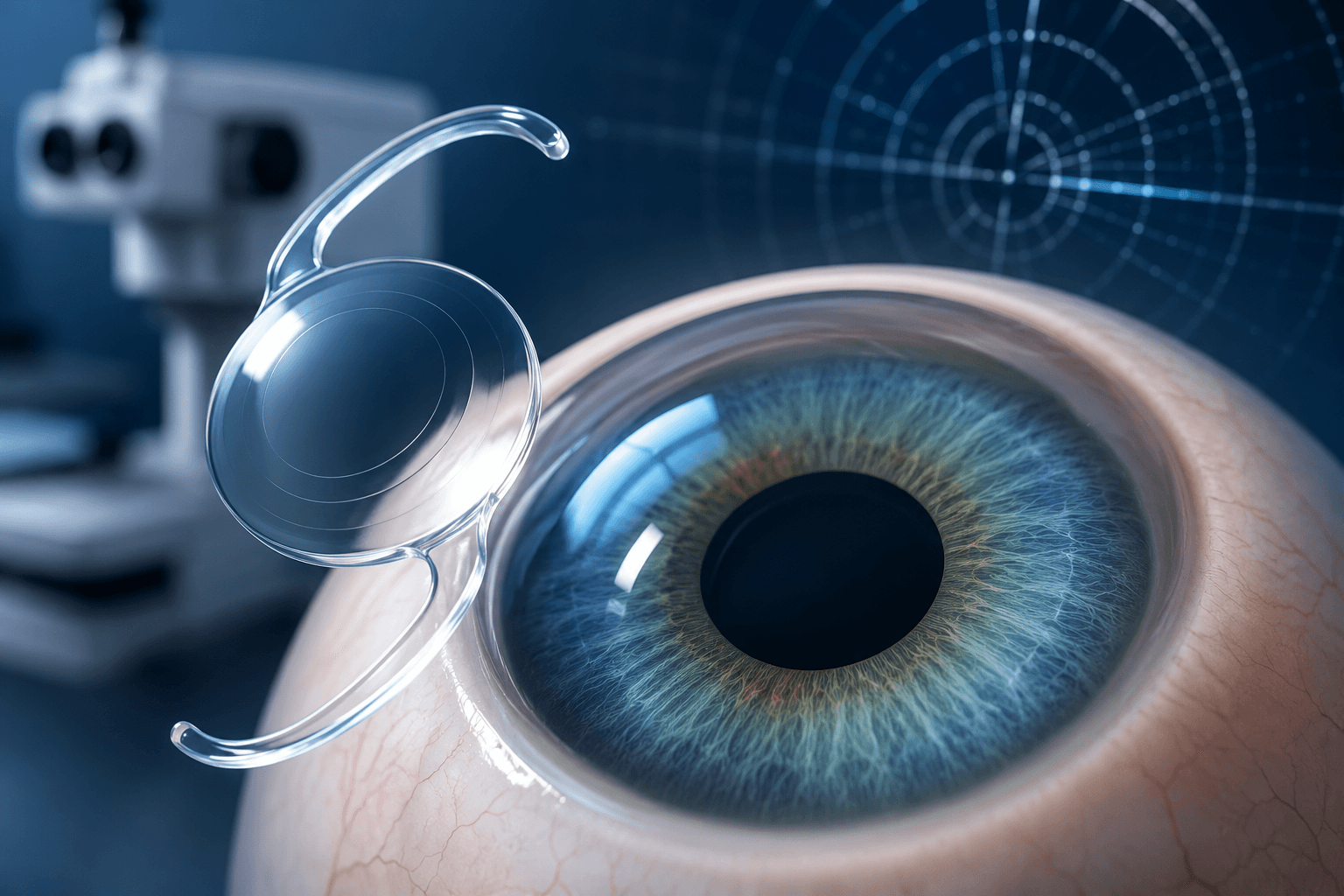
Toric IOLs for Astigmatism: Do They Really Reduce the Need for Glasses?
Toric intraocular lenses correct astigmatism during cataract surgery — but do they actually mean fewer glasses afterwards? Here's what the evidence shows.
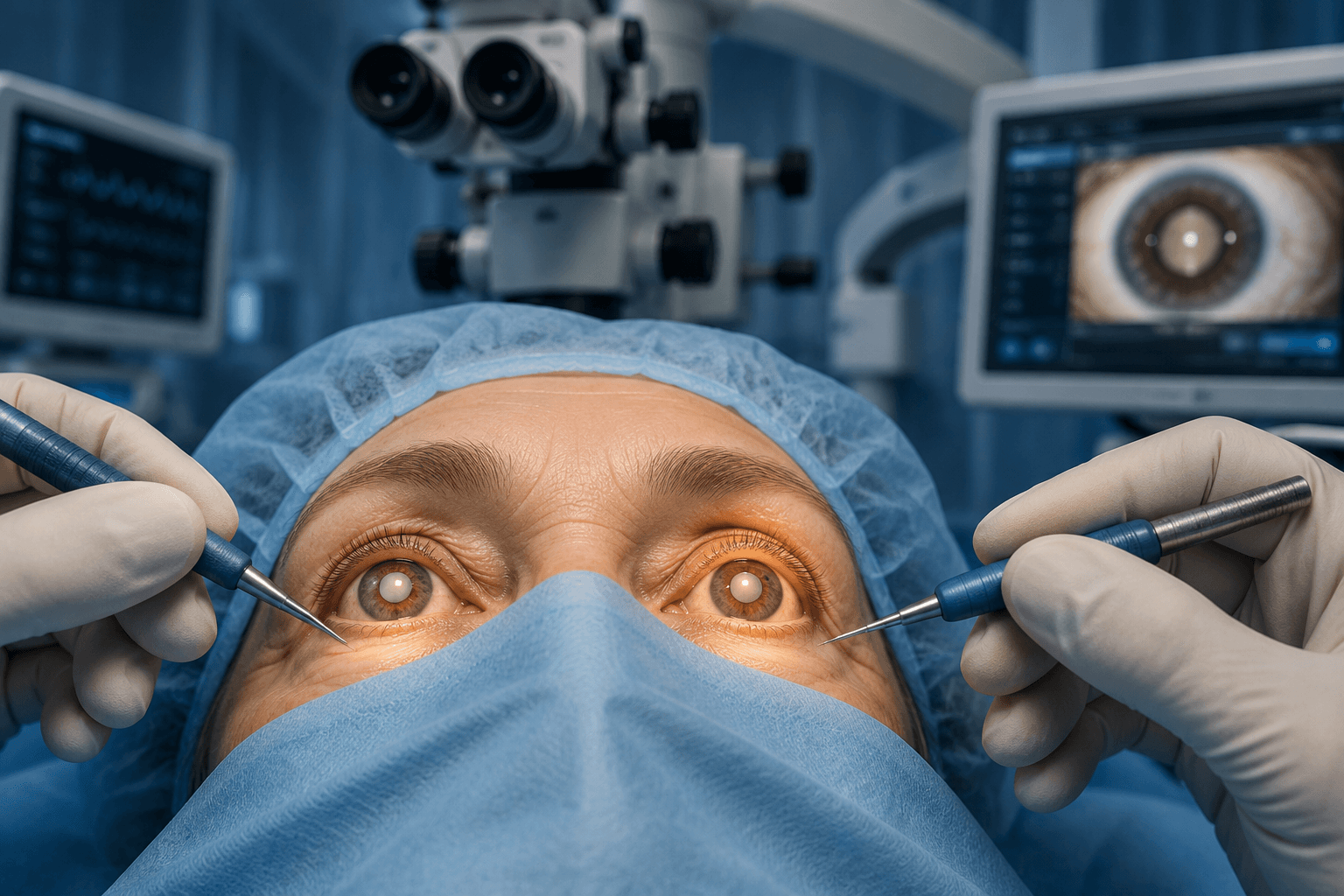
Bilateral Cataract Surgery: One Eye at a Time, or Both Together?
If both your eyes have cataracts, should you have them done separately or on the same day? We break down the pros, cons and who each approach suits.

What Are the Different Types of Lens for Cataract Surgery?
Monofocal, multifocal, EDOF or toric — the lens you choose shapes your vision for life. Here's how the main intraocular lens options compare.
Ready to see clearly? Book your cataract assessment today.
Send us an Enquiry
Fill in the form and our team will be in touch within one business day. A referral from your GP or optometrist is required to book an appointment with our surgeons.
Phone
(02) 6248 9555
info@clarityeyesurgeons.com.au
Opening Hours
Monday – Friday: 8:00 am – 4:00 pm
Location
Founders Lane Precinct, 2 Batman St, Braddon ACT 2612