Strabismus Surgery in Canberra
Specialist treatment for eye misalignment (squint) in children and adults, from fellowship-trained ophthalmologists in Braddon, Canberra.
Medically Reviewed

Last medically reviewed on 29 June 2026. This page is educational and is not a substitute for personalised medical advice.
What is strabismus surgery?
Strabismus — commonly known as a squint or crossed eyes — occurs when the eyes are not aligned with each other, with one eye looking straight ahead while the other turns in a different direction. Strabismus surgery (eye muscle surgery) repositions one or more of the muscles that move the eye, restoring proper alignment.
It's suitable for both children and adults, and can be performed on its own or alongside other vision treatments — your ophthalmologist will recommend the right approach based on the type and severity of your misalignment.
Types of Strabismus
Strabismus is classified by the direction the affected eye turns.
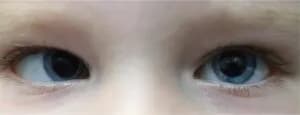
Esotropia
One eye turns inward toward the nose — the most common form of childhood strabismus.
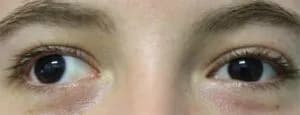
Exotropia
One eye drifts outward, away from the nose, sometimes only noticeable when tired or focusing at a distance.
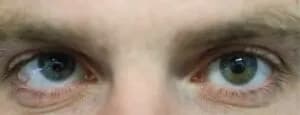
Hypertropia
One eye sits higher than the other.
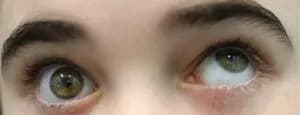
Hypotropia
One eye sits lower than the other.
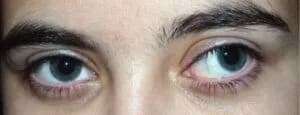
Cyclotropia
One eye rotates around its visual axis rather than shifting up, down or sideways — the least common and most complex type to diagnose.
Why strabismus surgery is needed
Restore three-dimensional vision and depth perception
Eliminate double vision caused by misaligned eyes
Reduce the risk of amblyopia (lazy eye) in children
Improve the natural appearance and symmetry of the eyes
Support healthy visual development in young patients
Improve overall comfort, confidence and quality of life
Strabismus surgery techniques
Muscle Recession
Weakens an overactive eye muscle by detaching it and reattaching it further back on the eye, reducing its pulling force.
Muscle Plication
Strengthens an underactive muscle by folding and shortening it — a safer, more easily reversible alternative to removing muscle tissue.
Adjustable Suture Technique
Uses a special stitch that can be fine-tuned in the days after surgery, particularly useful for repeat procedures or thyroid-related strabismus.
Who needs strabismus surgery?
Strabismus surgery is suitable for patients of all ages.
Children
Surgery can be performed on infants as young as 9–12 months to restore binocular vision. Left untreated, childhood strabismus can lead to amblyopia and affect self-esteem.
Adults
Adults can also benefit from strabismus surgery — correcting long-standing misalignment, resolving double vision, and restoring a natural-looking gaze.
Meet our strabismus specialist
Why choose Clarity Eye Surgeons
Fellowship-Trained Expertise
International fellowship training in strabismus surgery, including techniques for complex and repeat cases.
Named-Surgeon Continuity
You're cared for by the same ophthalmologist from consultation through surgery and recovery — never passed between providers.
Local Braddon Clinic
A purpose-built clinic in Braddon, Canberra, with both private and public surgical options close to home.
Patient and Family-First Communication
Clear, unhurried explanations for patients and parents alike, so everyone understands the plan and feels confident in the care provided.
Preparing for Strabismus Surgery
From your first assessment to the day of surgery, here's what to expect.
- 1
Comprehensive Eye Alignment Assessment
A detailed examination of eye alignment and eye movement to understand the exact nature of the misalignment.
- 2
Precise Measurement
The size and pattern of the misalignment is measured, sometimes across repeat visits, to plan the surgical approach.
- 3
Surgical Planning
Your ophthalmologist determines which muscles need adjusting and which technique is best suited to your case.
- 4
Day-of Arrangements
Arrange for a friend or family member to drive you home, as you won't be able to drive yourself after the procedure.
What happens during surgery?
General Anaesthesia
Performed under general anaesthetic in a hospital setting, so you're fully asleep throughout the procedure.
Accessing the Muscle
The surgeon reaches the eye muscles beneath the thin surface tissue (conjunctiva) — there are no visible external cuts to the skin.
Repositioning the Muscle
The relevant muscle is recessed, plicated or repositioned depending on your specific type of misalignment.
Reattachment
The muscle is reattached to the eye wall using either a dissolvable stitch or an adjustable suture technique.
Recovery & Aftercare
Most patients resume normal activities within 2–3 days. Eyes may stay red for up to 6–8 weeks, with full healing and stable alignment taking up to 2–3 months.
Do
- Use your prescribed eye drops exactly as instructed
- Attend all follow-up appointments so your alignment can be monitored
- Rest and take it easy for the first day or two
Don't
- Rub or press on your eyes
- Swim or do strenuous activity and contact sports for 4 weeks
- Ignore increasing redness, pain or sudden vision changes
Non-Surgical Alternatives
Surgery isn't always the first step. Milder forms of misalignment may respond well to:
Risks & Complications
Strabismus surgery is generally very safe, but as with any medical procedure, some risks exist.
Residual or recurrent misalignment
About 20–30% of patients may need an additional surgery if the misalignment persists or returns over time.
Over-correction
The eye may be adjusted slightly too far in the opposite direction, sometimes requiring further correction.
Double vision or eyestrain
Usually transient while the brain adjusts to the new alignment, though occasionally longer-lasting.
Infection or scarring
Uncommon, but possible with any surgery — your surgeon will discuss warning signs to watch for.
Strabismus surgery FAQs
Most procedures take approximately 45 minutes to one hour, depending on the complexity and number of muscles being adjusted. It's typically performed as a same-day procedure.
From the Blog
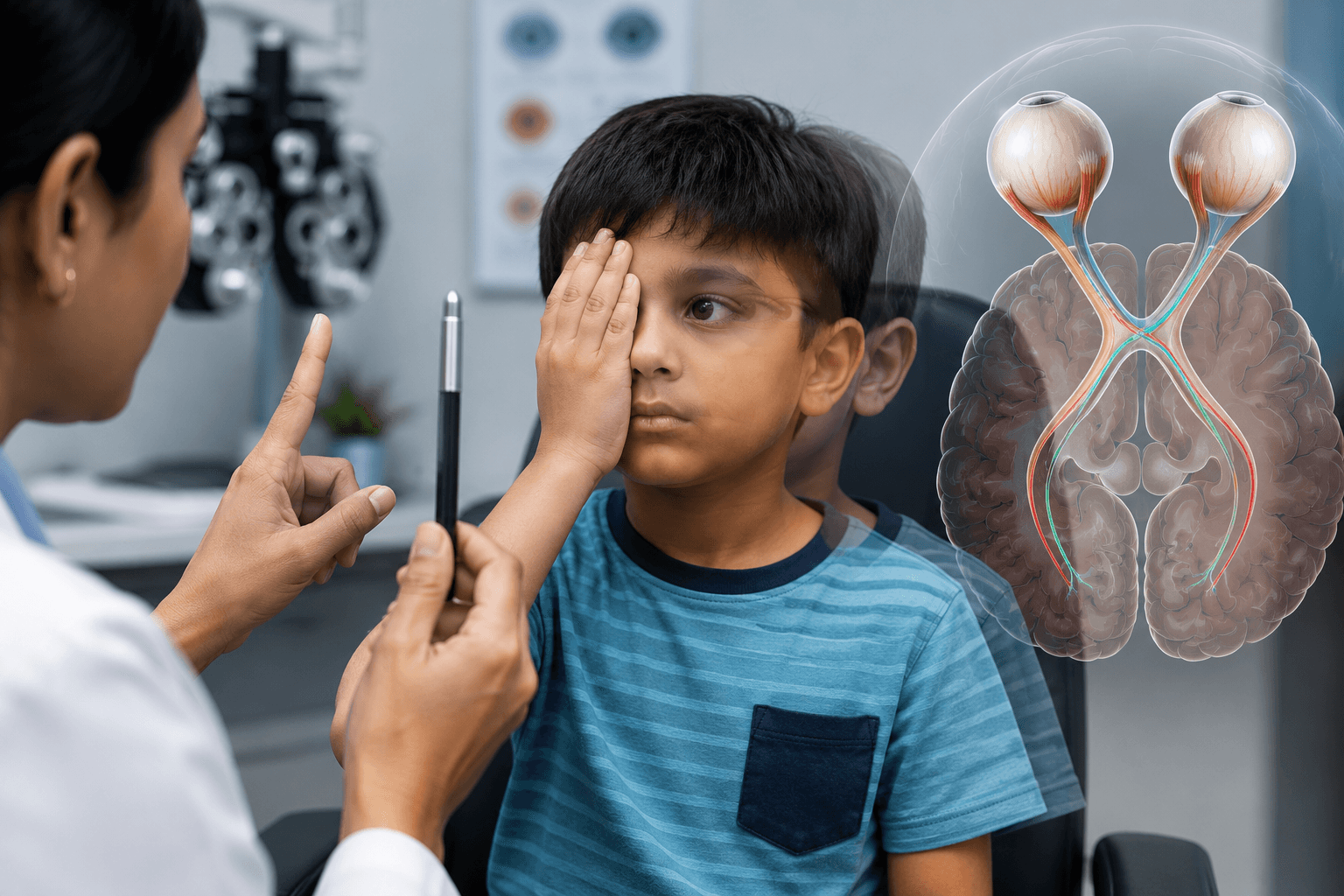
Double Vision in Children: What Parents Should Know
Double vision in a child should never be ignored. Here are the causes, warning signs, and when it could signal something more serious.

Nystagmus: Symptoms, Causes, and Effective Treatment Options
Nystagmus causes involuntary, repetitive eye movements that affect vision and balance. Here's what causes it, how it's diagnosed, and the treatment options available.
Ready to discuss your eye alignment? Book a consultation today.
Send us an Enquiry
Fill in the form and our team will be in touch within one business day. A referral from your GP or optometrist is required to book an appointment with our surgeons.
Phone
(02) 6248 9555
info@clarityeyesurgeons.com.au
Opening Hours
Monday – Friday: 8:00 am – 4:00 pm
Location
Founders Lane Precinct, 2 Batman St, Braddon ACT 2612