What Are Cataracts?
Cataracts are a clouding of the eye's natural lens caused by the build-up of proteins over time. The lens, located behind the iris, is responsible for focusing light onto the retina. As proteins clump together, the lens becomes cloudy, making it difficult for light to pass through clearly.
As cataracts progress, they scatter and block light entering the eye, causing blurry vision, faded colours, and increased sensitivity to glare. Without treatment, a dense cataract can cause significant vision loss in the affected eye.
Types of Cataracts

There are three main types of age-related cataracts, each affecting a different part of the lens:
Nuclear Cataracts
Form at the centre of the lens, causing gradual blurring and sometimes a temporary improvement in near vision. They are the most common type associated with ageing.
Cortical Cataracts
Develop at the outer edges of the lens and progress inward. They typically cause glare, halos around lights, and difficulty with contrast, particularly when driving at night.
Posterior Subcapsular Cataracts
Grow at the back of the lens and progress faster than other types. They cause significant difficulty reading in bright light and increased sensitivity to light and glare.
Why Do Cataracts Develop With Age?
Ageing is the most significant risk factor for cataracts. Several contributing factors accelerate their development:

- • Prolonged UV exposure — a lifetime of sunlight degrades lens proteins over time
- • Health conditions — diabetes, obesity, and hypertension all contribute to earlier cataract formation
- • Medications — long-term use of corticosteroids is associated with posterior subcapsular cataracts
- • Lifestyle choices — smoking, poor diet, and excessive alcohol consumption increase cataract risk
Symptoms of Cataracts
Cataracts develop gradually. Watch for these common warning signs:
- • Blurry, cloudy, or dim vision
- • Difficulty seeing at night
- • Sensitivity to light and glare
- • Halos around lights, especially at night
- • Frequent changes in glasses or contact lens prescription
- • Fading or yellowing of colours
- • Double vision in the affected eye
Why Is Cataract Surgery Necessary for Seniors?
Cataracts are common among older adults and can significantly affect daily activities such as reading, driving, and recognising faces. Without treatment, worsening vision increases the risk of falls and accidents.
- • Prevents falls and accidents caused by impaired vision
- • Enhances safety and independence for seniors
- • May correct nearsightedness or farsightedness with the right IOL choice
- • Enables continued independent living and engagement in daily activities
- • Improves overall quality of life and wellbeing
When Should Surgery Be Considered?
Surgery is recommended when cataracts begin to significantly impact your quality of life. Consider consulting your ophthalmologist when:
- • Vision loss is affecting your daily activities such as reading, driving, or watching television
- • Glasses or contact lenses no longer adequately improve your clarity of vision
- • Your vision impairment is creating safety risks, particularly when driving or navigating steps
Considering cataract surgery?
Dr Parth Shah offers the full range of IOL options and tailors every procedure to your visual goals. Book a consultation at our Braddon, Canberra clinic.
What Happens During Cataract Surgery?
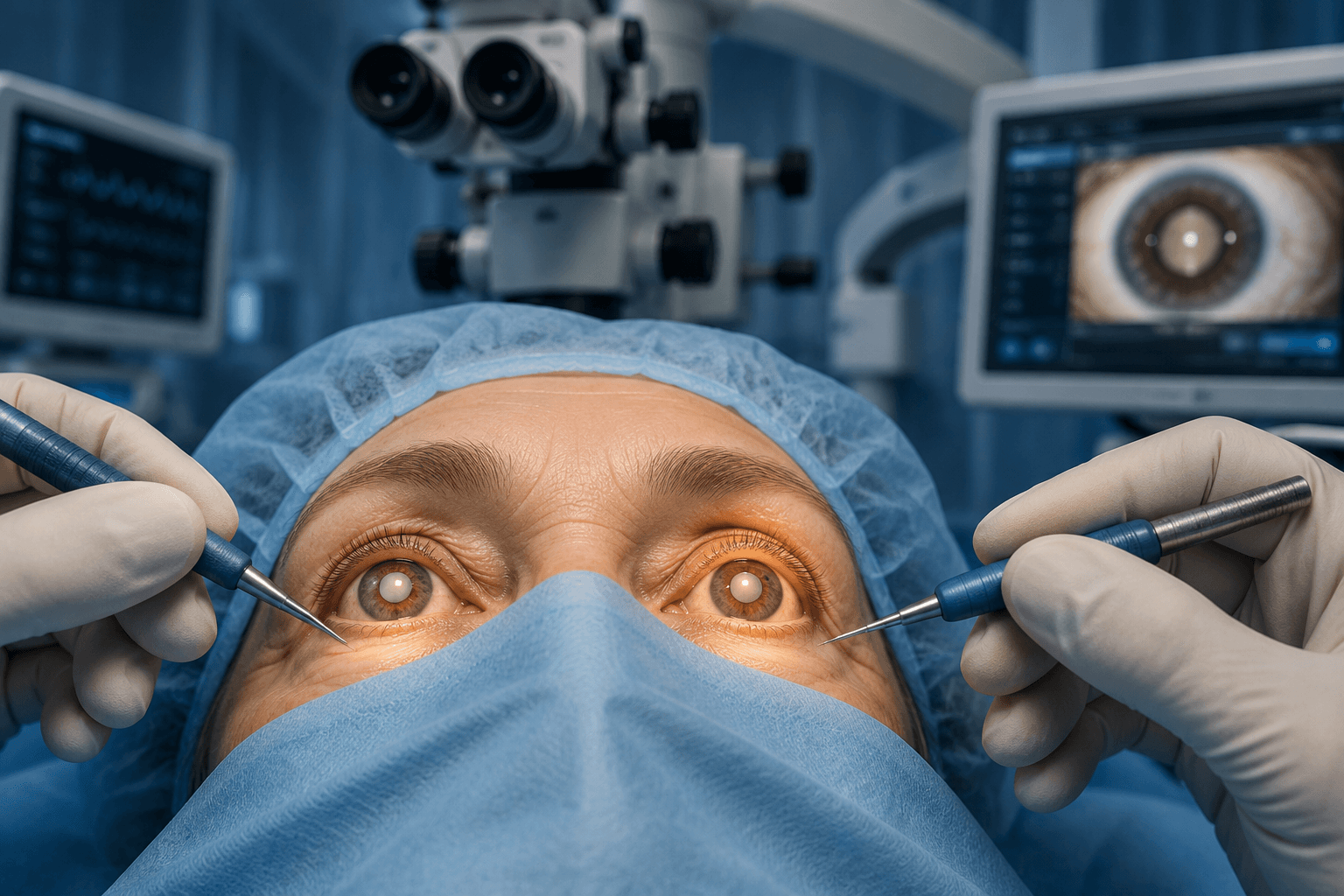
Modern cataract surgery is performed under local anaesthetic and typically takes 20–30 minutes as a day procedure, allowing same-day discharge.
Steps of the Procedure
- 1Anaesthesia — local anaesthetic eye drops are applied to numb the eye completely, ensuring a comfortable, pain-free procedure.
- 2Lens removal — a tiny incision is made at the edge of the cornea, and ultrasound waves break up the cloudy lens so it can be gently suctioned out.
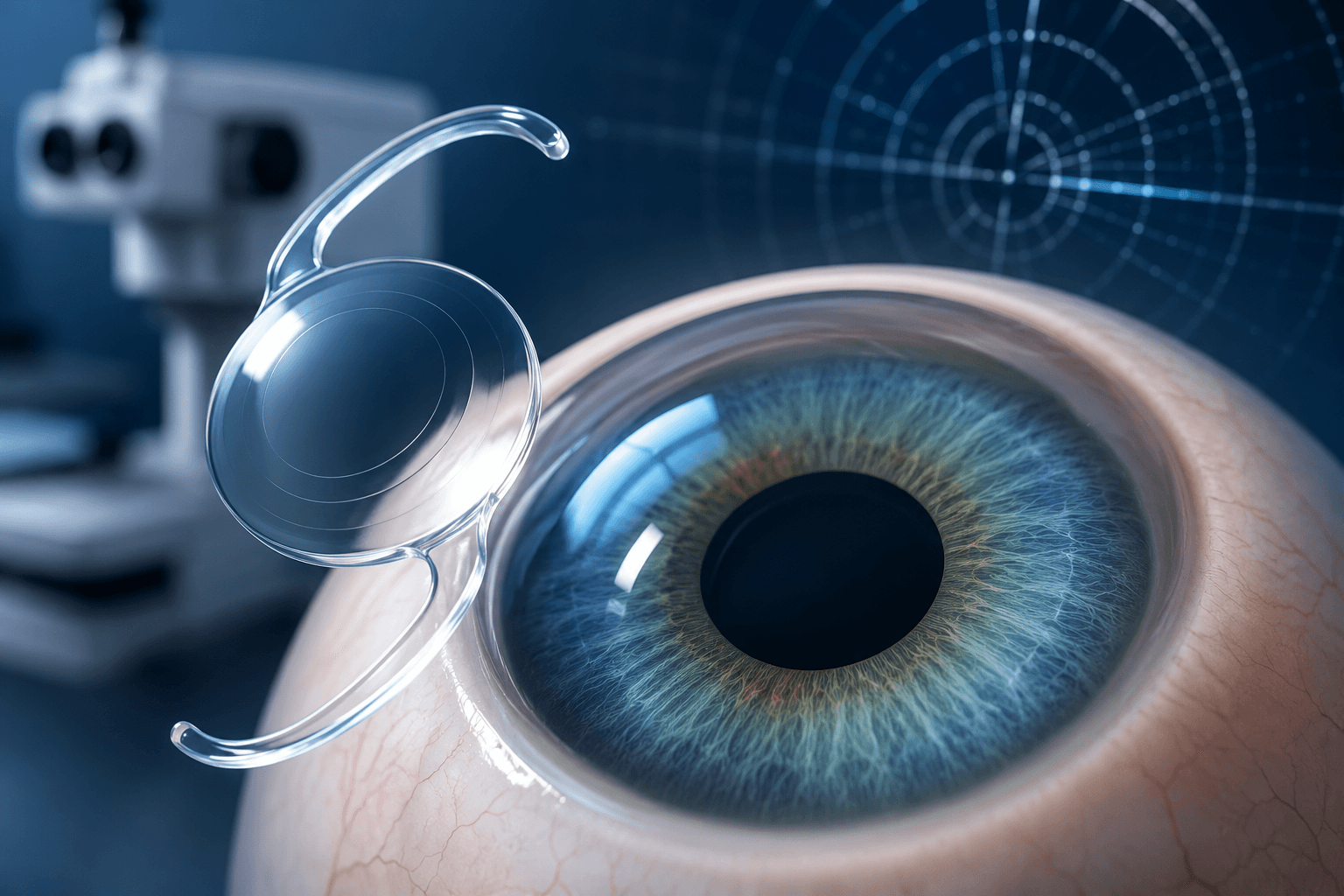
- 3Lens replacement — a clear artificial intraocular lens (IOL) is folded and inserted through the same tiny incision, then unfolds into position.
- 4Closure — the self-healing incision seals naturally without the need for stitches, and antibiotic drops are instilled.
Types of Intraocular Lenses (IOLs)

The intraocular lens (IOL) implanted during surgery is permanent and shapes your vision for life. There are four main types to consider:
Monofocal IOLs
Provide clarity at a single distance — usually distance vision. Reading glasses are typically still needed for close work.
Multifocal IOLs
Designed to provide vision at multiple distances, significantly reducing dependence on glasses after surgery.
Toric IOLs
Correct astigmatism in addition to cataract-related vision loss, reducing the need for glasses to correct both conditions.
Accommodative IOLs
Designed to mimic the natural focusing ability of the eye, allowing for a more natural adjustment between near and distance vision.
Benefits of Cataract Surgery for Seniors
Cataract surgery offers life-changing benefits for older adults:
- • Restores clear vision, enabling greater independence in daily life
- • Significantly reduces the risk of falls and accidents related to poor vision
- • Improves confidence and ability to participate in social activities
- • Enhances the ability to enjoy hobbies and complete everyday tasks
- • Provides long-term improvement in overall vision quality and wellbeing
Preparing for Cataract Surgery
Steps to Prepare
- 1Pre-surgery consultation — your surgeon will perform a thorough eye examination, review your medical history, and take precise measurements to select the correct lens implant.
- 2Discontinue certain medications — blood thinners and some other medications may need to be paused before surgery, as directed by your doctor.
- 3Arrange transportation — you will not be able to drive yourself home after surgery, so make arrangements in advance.
- 4Avoid food and drink — typically for 12 hours before surgery, particularly if sedation will be used.
- 5Wear comfortable clothing — avoid makeup, lotions, or perfumes on the day of surgery.
- 6Post-surgery care planning — have your prescribed eye drops ready and arrange for assistance at home for the first day or two.
Recovery After Cataract Surgery

Post-Surgery Guidelines
Vision typically begins to improve within days, with complete healing taking several weeks. Follow these guidelines for the best outcome:
- • Use all prescribed eye drops exactly as directed to prevent infection and promote healing
- • Avoid strenuous activities, heavy lifting, and bending for 1–2 weeks after surgery
- • Protect your eyes from bright light and dust by wearing sunglasses or an eye shield as recommended
- • Attend all scheduled follow-up appointments so your surgeon can monitor healing and adjust your treatment plan
Is Cataract Surgery Safe for Seniors?
Cataract surgery is highly safe and effective for seniors, with minimal risk of complications, especially when performed by an experienced surgeon. It is performed under topical anaesthetic drops rather than general anaesthesia, making it suitable even for patients with other health conditions.
Why Choose Clarity Eye Surgeons for Cataract Surgery?
At Clarity Eye Surgeons in Braddon, Canberra, Dr Parth Shah and the team specialise in senior-focused cataract care. We use state-of-the-art surgical technology and offer the full range of IOL options, tailoring every procedure to minimise downtime and prioritise patient comfort. Our goal is to restore your vision and independence as smoothly as possible.
Conclusion
Ageing does not have to mean accepting a decline in vision or quality of life. Cataract surgery is a safe, effective, and transformative procedure that can restore clear sight and independence for seniors. If you or a loved one are experiencing cataract symptoms, contact us now to learn more or book an appointment with Dr Parth Shah at Clarity Eye Surgeons.
Frequently Asked Questions
No, cataracts do not return after surgery. However, a condition called posterior capsule opacification (PCO) may develop, where the lens capsule behind the IOL becomes cloudy. This is treatable with a quick, painless laser procedure called YAG capsulotomy.

Written by
Dr Parth ShahDr Parth Shah is a leading ophthalmologist in Canberra, specialising in cataract surgery, strabismus, and paediatric ophthalmology. With extensive training and a commitment to patient education, he is dedicated to delivering compassionate, high-quality eye care to the community.
Medical disclaimer: This article is for educational purposes only and does not constitute medical advice, diagnosis, or treatment. Always consult a qualified ophthalmologist or healthcare professional regarding any eye condition or before making any healthcare decisions. Read our full disclaimer.
Ready to take the next step?
Book a consultation to discuss your cataracts and explore the best lens option for your vision and lifestyle.