What Is a Posterior Subcapsular Cataract?
The crystalline lens of the eye is encased in a thin, transparent bag called the lens capsule. A posterior subcapsular cataract (PSC) forms specifically at the back inner surface of this capsule — the posterior subcapsule — which is the last structure the incoming light ray must pass through before reaching the retina.
This location makes PSC cataracts particularly disruptive. Even a small opacity at the posterior subcapsule can have an outsized impact on vision because it sits in the most critical part of the optical pathway. Think of it like a smudge directly in the centre of a camera lens — even a small smudge in exactly the wrong place can ruin an entire photograph.
Under slit-lamp examination, a PSC cataract appears as a granular, plaque-like opacity at the back of the lens that often looks like ground glass or fine vacuoles when illuminated with retroillumination.
Causes and Risk Factors
Unlike nuclear cataracts, which are predominantly caused by ageing, PSC cataracts have several well-established causative associations:
- Corticosteroid use: The strongest and most well-documented risk factor. Long-term use of oral, inhaled, topical (skin), or eye-drop corticosteroids all increase PSC risk. The risk correlates with cumulative dose and duration. People on long-term steroids for conditions such as asthma, inflammatory bowel disease, or rheumatoid arthritis should have regular eye checks.
- Diabetes mellitus: Poorly controlled blood glucose accelerates lens protein changes. Diabetic patients develop cataracts at a younger age and more rapidly than non-diabetic patients, with PSC being a particularly common pattern.
- High myopia (short-sightedness): People with high myopia (typically greater than –6 dioptres) have a longer eyeball, which predisposes the lens to earlier opacification, including at the posterior subcapsule.
- Ocular trauma: Previous injury to the eye, including blunt trauma or surgical procedures, can disturb the posterior lens capsule and promote PSC formation.
- Radiation exposure: Therapeutic ionising radiation to the head or eye, used in cancer treatment, can cause PSC as a late complication.
- Genetic and systemic conditions: Certain conditions including atopic dermatitis, retinitis pigmentosa, and some metabolic disorders are associated with early PSC formation.
Important for steroid users
Symptoms of a Posterior Subcapsular Cataract
PSC cataracts produce a distinctive symptom pattern that distinguishes them from other types:
- Difficulty reading (near vision worse than distance): Near tasks require pupil constriction, which narrows the aperture directly over the posterior opacity. This means reading is disproportionately affected. A patient might see adequately at distance but struggle badly with a book or phone screen.
- Severe glare and halos in bright light: Bright sunlight, overhead fluorescent lights, and oncoming headlights cause intense dazzle. Many patients find they need to shield their eyes outdoors and become very reluctant to drive at night.
- Paradoxical variation — worse in bright conditions: Vision may feel better in dim light (when the pupil dilates, bypassing the central opacity) and worse in full sunlight (when the pupil constricts over the opacity). This pattern strongly suggests PSC.
- Faster onset: Symptoms can develop and worsen over months rather than the years typical of nuclear cataracts. Patients are often surprised by how quickly their vision deteriorates.
Faster
Progression rate compared to nuclear cataracts
40s–50s
Typical age of onset, earlier than most cataract types
Curative
Cataract surgery removes PSC entirely and restores vision
How PSC Compares to Other Cataract Types
| PSC | Nuclear | Cortical | |
|---|---|---|---|
| Location in lens | Back surface (posterior capsule) | Central nucleus | Outer cortex (spoke pattern) |
| Typical onset age | 40s–50s (can be earlier) | 60s–70s | 50s–60s |
| Rate of progression | Faster — months to 1–2 years | Slower — years | Variable |
| Most affected vision | Near vision, bright-light vision | Overall blur, colour shift | Glare in peripheral light |
| Glare severity | Severe — especially reading and oncoming lights | Moderate | Moderate to severe |
| Associated causes | Steroids, diabetes, high myopia, trauma | Age | UV exposure, diabetes |
Experiencing glare or reading difficulty?
A slit-lamp examination can confirm whether a posterior subcapsular cataract is affecting your vision.
Treatment: Cataract Surgery Is Curative
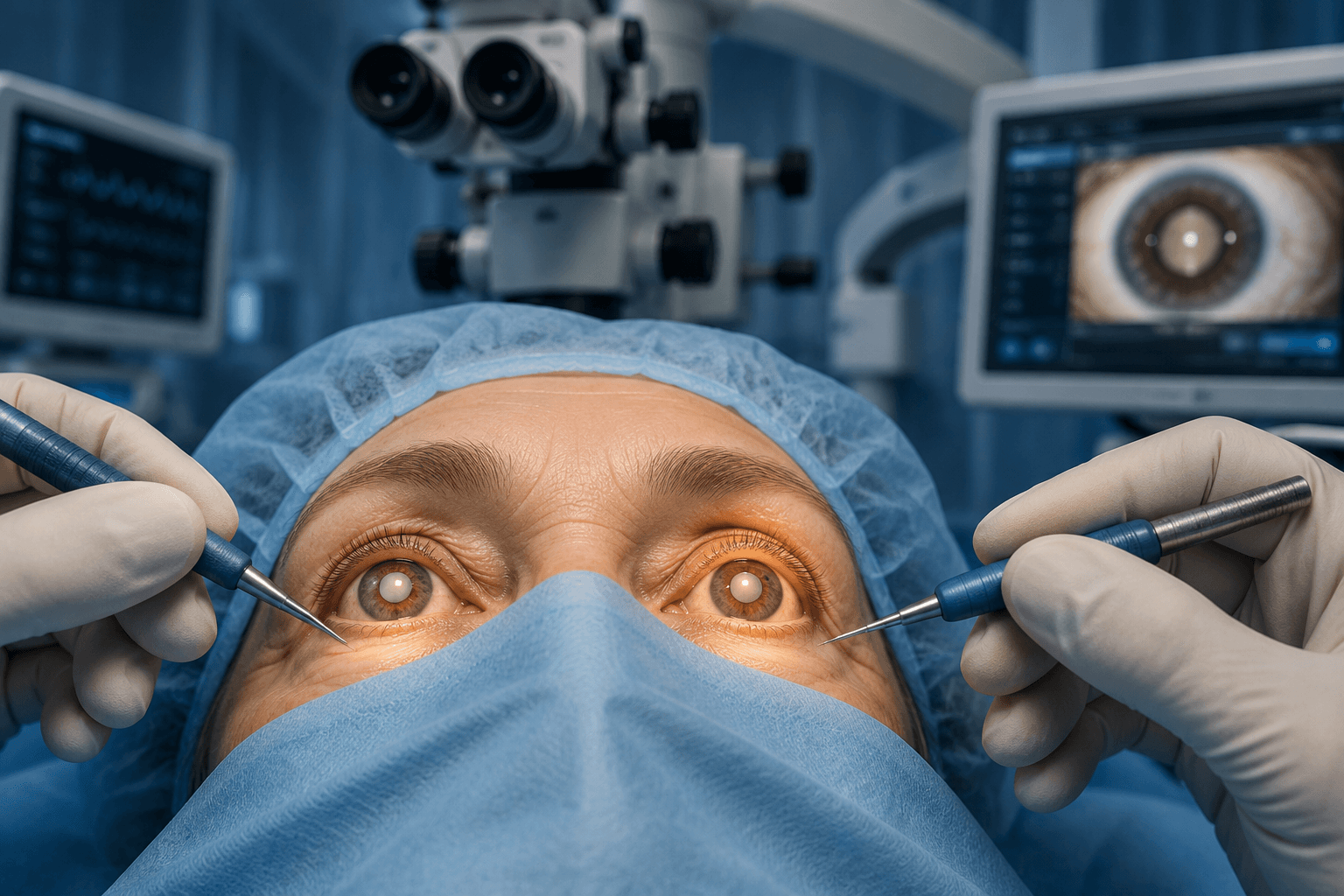
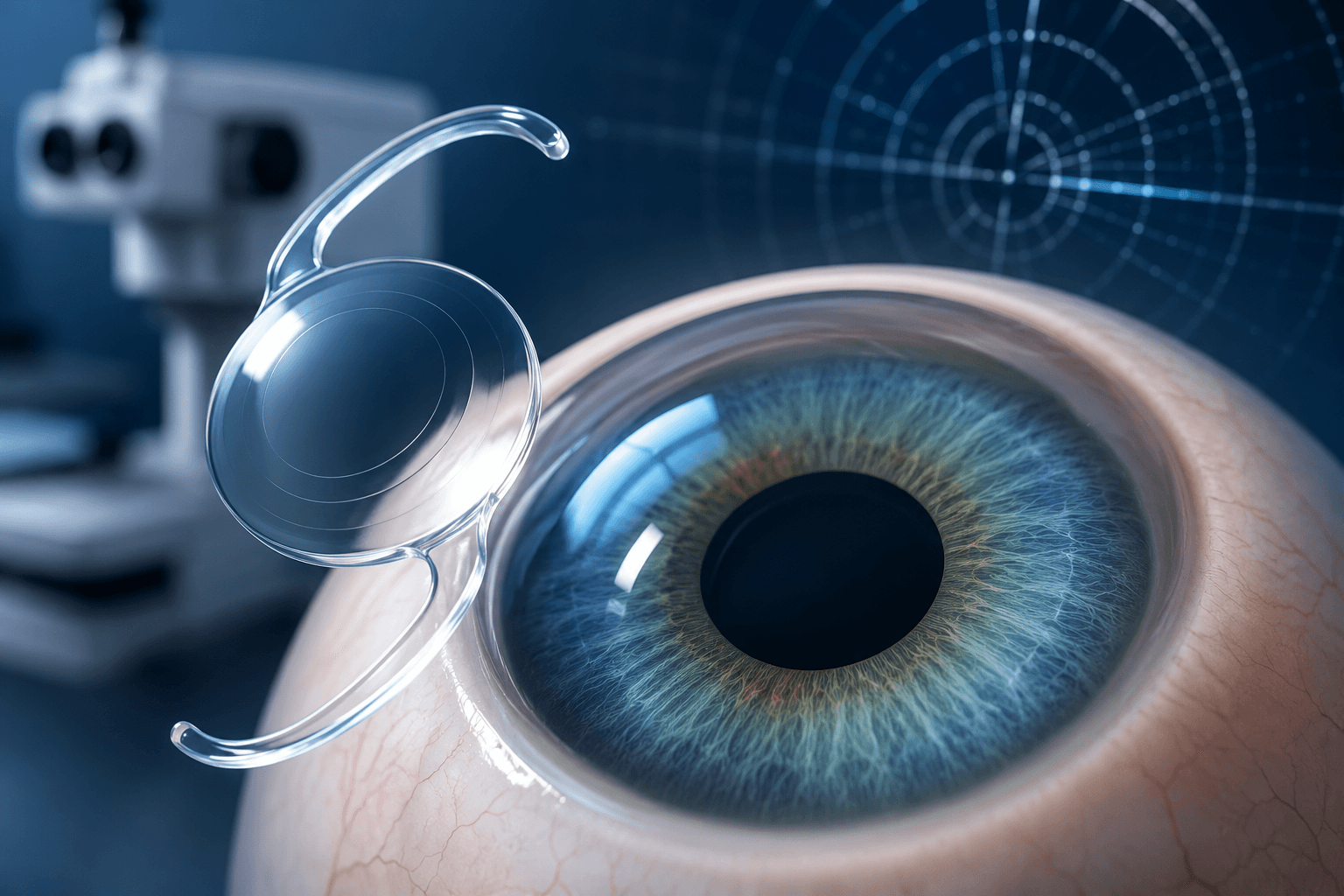
There is no medication, eye drop, or dietary supplement that can dissolve or reverse a posterior subcapsular cataract. The only effective treatment is cataract surgery, which removes the entire cloudy natural lens — including the PSC — and replaces it with a clear artificial intraocular lens (IOL).
Surgery for PSC cataracts is performed using the same phacoemulsification technique used for all modern cataract surgery. The PSC’s position at the posterior capsule requires the surgeon to work carefully around the capsule to avoid tearing it, but in experienced hands this is routine. The visual outcome after surgery is excellent.
One additional consideration: approximately 20% of cataract patients develop a condition called posterior capsule opacification (PCO) in the years following surgery, in which the remaining posterior capsule becomes hazy. PCO is easily and painlessly treated in the outpatient setting with a brief YAG laser procedure.
Timing surgery for PSC cataracts
Frequently Asked Questions
Not necessarily more dangerous, but they tend to cause significant functional impairment earlier in their course than nuclear cataracts. Because they sit directly in the path of light reaching the retina and progress more rapidly, patients often need surgery sooner. The underlying causes — particularly long-term steroid use or diabetes — also warrant careful monitoring of overall ocular health.

Written by
Dr Parth ShahDr Parth Shah is a subspecialty-trained Canberra ophthalmologist with expertise in cataract surgery, paediatric eye care and strabismus surgery.
Medical disclaimer: This article is for educational purposes only and does not constitute medical advice, diagnosis, or treatment. Always consult a qualified ophthalmologist or healthcare professional regarding any eye condition or before making any healthcare decisions. Read our full disclaimer.
Concerned about your vision changes?
Book a comprehensive assessment to determine whether a posterior subcapsular cataract is affecting your eyes.