Myth
“Cataracts can come back years after surgery.”
Fact
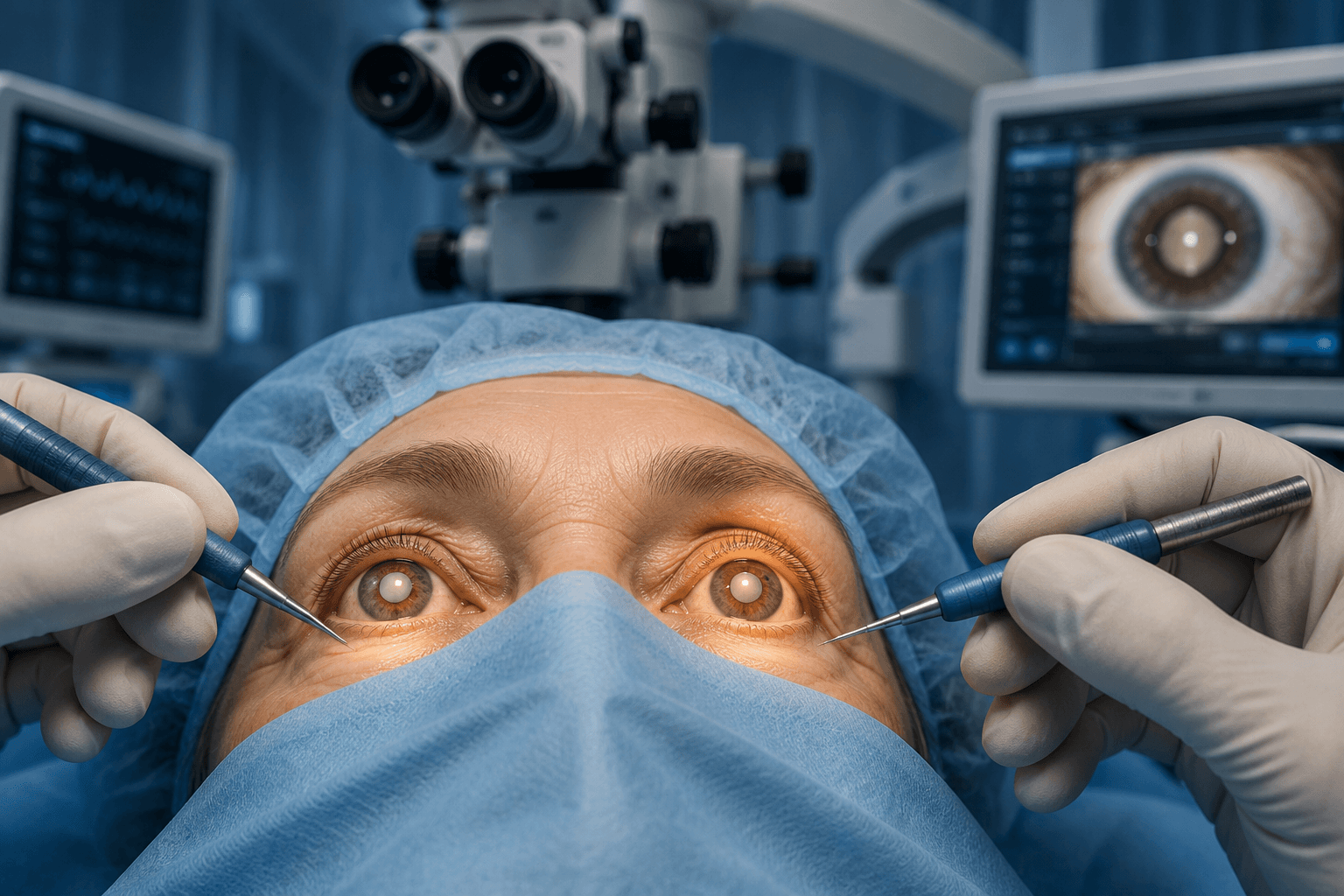
Cataracts themselves can't return — the artificial lens doesn't cloud over the way your natural lens did. What some patients experience is PCO, a different condition entirely.
What Is Posterior Capsule Opacification (PCO)?
When your cloudy lens is removed during cataract surgery, a thin, transparent capsule that originally held the natural lens is left in place to support the new artificial lens. Over time, cells on that capsule can grow and thicken, scattering light and producing symptoms that feel just like a cataract has returned. PCO isn't a cataract growing back — it's a natural change in the capsule sitting behind your lens implant.
20–30%
Of patients develop PCO within 2–5 years
Minutes
Typical YAG laser treatment time
Immediate
Vision improvement after treatment
Symptoms of PCO
Blurred or Cloudy Vision
Vision looks like it's behind a smudged or foggy window, affecting both near and distance sight.
Glare & Light Sensitivity
Bright lights feel unusually harsh, often with halo or starburst effects around lights at night.
Difficulty With Reading
Small print becomes hard to focus on even with reading glasses, sometimes causing eye strain or headaches.
Experiencing cloudy vision after cataract surgery?
It's likely PCO, not a returning cataract — and it's quickly and easily treated.
How PCO Is Treated
YAG Laser Capsulotomy
An outpatient procedure taking only minutes. The laser creates a small opening in the cloudy capsule, letting light pass through normally again. It's painless, requires no stitches, and isn't a repeat of cataract surgery — vision typically improves immediately or within a day.
Preventing & Managing PCO
PCO can't always be prevented, but a few things help manage your risk:
- • Modern intraocular lens designs that lower the chance of capsule clouding
- • Regular follow-up appointments for early detection and prompt treatment
- • UV-blocking sunglasses and general eye health maintenance
- • Managing conditions like diabetes and hypertension that affect healing
It's common — and very treatable
Conclusion
Cataracts do not grow back after surgery. If your vision clouds over months or years later, it's most likely PCO — a separate, well-understood condition that's treated with a quick, painless laser procedure. If you notice cloudy vision returning, book a review rather than worrying it's a failed surgery.
Frequently Asked Questions
Most patients enjoy long-term clarity. Some develop PCO later on, but treatment fully restores clear vision when it happens.

Written by
Dr Parth ShahDr Parth Shah is a leading Canberra ophthalmologist specialising in cataract surgery, trusted for clear explanations and dependable surgical outcomes.
Medical disclaimer: This article is for educational purposes only and does not constitute medical advice, diagnosis, or treatment. Always consult a qualified ophthalmologist or healthcare professional regarding any eye condition or before making any healthcare decisions. Read our full disclaimer.
Concerned about your vision after cataract surgery?
Book a consultation to find out whether it's PCO and get it resolved quickly.