
Table of Contents
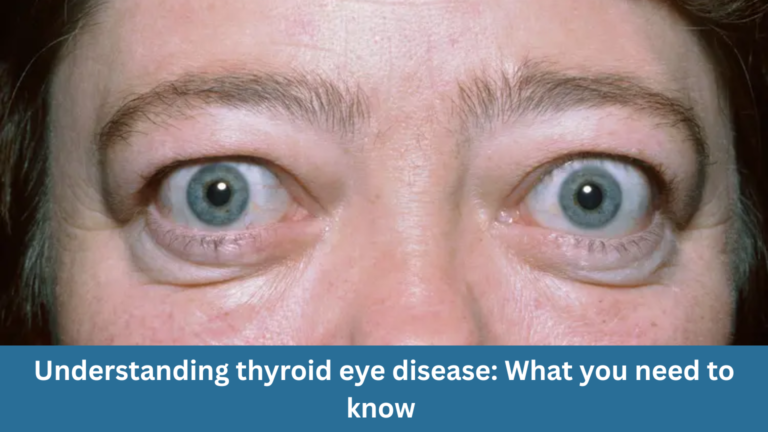
ToggleUnderstanding thyroid eye disease: What you need to know
At Clarity Eye Surgeons in Canberra, our team of skilled ophthalmologists in Canberra brings years of expertise in diagnosing and treating complex eye conditions such as thyroid eye disease (TED). We combine advanced diagnostic imaging, evidence-based treatment methods, and a compassionate patient-first approach to deliver the highest quality of care. Our experience in managing autoimmune eye disorders gives patients confidence that their condition is understood, monitored, and treated with precision and empathy. When it comes to preserving your eye health and vision, our specialists ensure you receive trusted and personalised treatment at every stage of your journey.
What is thyroid eye disease?
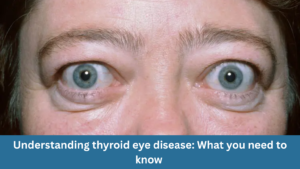
Thyroid eye disease (TED), also known as Graves’ orbitopathy or thyroid-associated ophthalmopathy, is an autoimmune condition where the immune system mistakenly attacks the tissues around the eyes. This causes inflammation, swelling, and changes in the muscles and fat behind the eyes, leading to visible and functional changes.
TED is most commonly linked to Graves’ disease, an overactive thyroid condition, but it can also occur in people with normal or underactive thyroid function. In some cases, eye symptoms may even appear before thyroid abnormalities are detected.
In simple terms: thyroid eye disease happens when your immune system affects the tissues around your eyes due to thyroid problems, resulting in irritation, puffiness, bulging, or vision changes.
If not managed early, TED can lead to long-term eye discomfort, cosmetic concerns, or, in rare cases, vision-threatening complications due to pressure on the optic nerve.
What are the common signs and symptoms of thyroid eye disease?
Recognising symptoms early can make a major difference in managing thyroid eye disease effectively. The symptoms often vary depending on the severity of inflammation.
Early symptoms may include:
- Redness, irritation, or a gritty sensation in the eyes.
- Swelling or puffiness around the eyelids.
- Excessive tearing or dryness.
- Sensitivity to light (photophobia).
- A feeling of pressure or fullness behind the eyes.
As the condition progresses, you may notice:
- Bulging of one or both eyes (proptosis).
- Difficulty moving the eyes or double vision.
- Pain when looking around.
- Eyelid retraction. (where the eyelids appear higher or wider open than usual)
- Vision changes or blurriness.
If your eyes appear more prominent, red, or uncomfortable for a prolonged period, it is crucial to consult an ophthalmologist immediately. Early treatment prevents worsening of inflammation and helps protect vision.
How is thyroid eye disease diagnosed?
Diagnosis of thyroid eye disease involves a comprehensive eye examination combined with advanced imaging and thyroid function tests.
At Clarity Eye Surgeons, we use a range of diagnostic tools to ensure an accurate evaluation:
- Detailed eye examination: to assess swelling, eye movement, and vision quality.
- CT or MRI scan: to measure the extent of inflammation in the eye muscles and orbital tissues.
- Visual field testing: to detect early pressure on the optic nerve that could affect vision.
- Thyroid blood tests: to check for overactive or underactive thyroid function and autoimmune markers.
Because thyroid eye disease can overlap with other eye conditions, accurate diagnosis by an experienced ophthalmologist is essential for correct treatment and management.
What are the treatment options for thyroid eye disease?
The treatment approach depends on the stage and severity of the disease. In general, TED has two phases:
- Active (inflammatory) phase: when symptoms such as swelling, redness, and pain are at their peak.
- Inactive (fibrotic) phase: when inflammation subsides, but some structural changes like eyelid retraction or double vision may remain.
Treatment focuses on managing inflammation during the active phase and correcting lasting effects during the inactive phase.
Common treatments include:
- Medications: Corticosteroids or targeted immunotherapies to reduce inflammation and prevent tissue damage.
- Lubricating eye drops or gels: To relieve dryness and irritation.
- Prisms or glasses: To manage double vision during recovery.
- Lifestyle changes: Stopping smoking, maintaining stable thyroid hormone levels, and sleeping with your head elevated can improve outcomes.
- Surgery (if needed):
- Orbital decompression surgery relieves pressure on the eyes and reduces bulging.
- Eye muscle surgery corrects double vision.
- Eyelid surgery restores normal eyelid position and improves appearance.
- Orbital decompression surgery relieves pressure on the eyes and reduces bulging.
At Clarity Eye Surgeons, we develop individualised treatment plans to ensure every patient receives targeted care suited to their stage and symptoms.
Can thyroid eye disease go away on its own?
In some mild cases, thyroid eye disease may stabilise or improve over time, especially after thyroid levels are well-controlled. However, in many patients, the condition can leave behind lasting effects, such as eye bulging or eyelid changes, which may require medical or surgical correction.
It is important not to ignore even mild symptoms, as early management can significantly reduce the risk of permanent changes. Regular follow-up with an ophthalmologist ensures ongoing monitoring and timely intervention.
What lifestyle changes can help manage thyroid eye disease?
Lifestyle plays a significant role in the progression and recovery of thyroid eye disease. Here are some steps you can take:
Quit smoking: Smoking is the strongest modifiable risk factor that worsens TED and reduces treatment response.
- Keep thyroid hormones in balance: Work closely with your endocrinologist to maintain stable hormone levels.
- Use lubricating eye drops: Artificial tears reduce dryness and irritation.
- Apply cool compresses: They help relieve swelling and discomfort.
- Sleep with your head elevated: This helps decrease morning puffiness.
- Wear sunglasses outdoors: They protect from sunlight and wind irritation.
- Maintain a healthy diet: Antioxidant-rich foods (like fruits and vegetables) support overall eye health.
By combining medical treatment with healthy habits, patients can improve comfort and slow disease progression.
When should I see an eye specialist?
You should book an appointment with an eye specialist if you experience:
- Rapid eye bulging or swelling.
- Double vision or restricted eye movement.
- Eye pain or pressure that does not resolve.
- Changes in colour vision or dimness of vision.
- Difficulty closing your eyes completely.
- Noticeable changes in your facial appearance.
These may indicate progressive or sight-threatening thyroid eye disease that needs urgent attention.
At Clarity Eye Surgeons in Canberra, our ophthalmologists are highly experienced in identifying and managing all stages of thyroid eye disease. With our multidisciplinary approach involving endocrinologists and oculoplastic surgeons, we ensure complete and coordinated care for every patient.
Conclusion
Thyroid eye disease is a complex autoimmune condition that can significantly affect both appearance and vision. However, with early diagnosis, expert management, and patient-centred care, most people can achieve long-term comfort and excellent visual outcomes.
At Clarity Eye Surgeons, our Canberra-based specialists are committed to helping patients understand, manage, and recover from thyroid eye disease using the most advanced techniques and compassionate guidance.
If you are noticing changes in your eyes related to a thyroid condition—or have been diagnosed with Graves’ disease—schedule a consultation with our experienced ophthalmology team today for professional assessment and tailored treatment.
Author bio
Dr Parth Shah is a director and principal ophthalmologist at Clarity Eye Surgeons in Canberra. With extensive training and experience, he is renowned for his expertise in the field. Dr Shah is dedicated not only to performing successful surgeries but also to patient education. His compassionate approach, combined with technical proficiency, has earned him the trust and gratitude of countless patients. He is a true advocate for eye health and a trusted name in the Canberra ophthalmology community.
FAQs
Yes. Although most patients with thyroid eye disease have an overactive thyroid (Graves’ disease), some people with normal or underactive thyroid function can still develop TED. This occurs because it is an autoimmune condition, and eye involvement can sometimes happen independently of thyroid hormone levels.
The active phase of thyroid eye disease usually lasts 6 months to 2 years. During this period, symptoms like redness, swelling, and pain are more noticeable. After that, the disease often stabilises into the inactive phase, where inflammation reduces but residual changes may persist.
Yes, thyroid eye disease can recur, especially if thyroid hormone levels become unstable or if you start smoking again. Regular monitoring with your ophthalmologist and maintaining optimal thyroid balance significantly reduces the risk of recurrence.
Not exactly. Graves’ disease is a thyroid disorder that causes the thyroid gland to become overactive, while thyroid eye disease affects the eyes. The two conditions are related because they both stem from autoimmune activity, but one affects the thyroid gland and the other affects eye tissues.
In rare, severe cases, thyroid eye disease can lead to vision loss if inflammation compresses the optic nerve or severely affects eye movement. However, with early diagnosis and modern treatment options, vision-threatening complications are uncommon.
Yes, chronic stress can worsen autoimmune conditions, including thyroid eye disease. Managing stress through relaxation techniques, adequate rest, and a healthy lifestyle can help stabilise your immune system and support recovery.
Other blogs related to eye conditions

Understanding thyroid eye disease: What you need to know
Understanding thyroid eye disease: What you need to know At Clarity Eye Surgeons in Canberra, our team of skilled ophthalmologists in Canberra brings years of
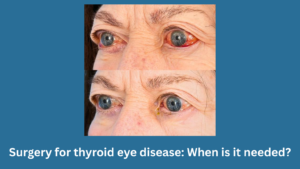
Surgery for thyroid eye disease: When is it needed?
Surgery for thyroid eye disease: When is it needed? At Clarity Eye Surgeons in Canberra, our team of experienced ophthalmologists, led by Dr Parth Shah,
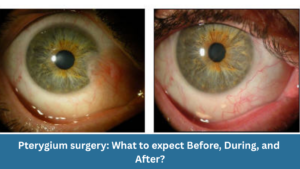
Pterygium surgery: What to expect before, during, and after?
Pterygium surgery: What to expect before, during, and after? At Clarity Eye Surgeons in Canberra, patients receive expert care led by Dr Parth Shah, a
Living with thyroid eye disease: Treatment options explained
Living with thyroid eye disease: Treatment options explained At Clarity Eye Surgeons in Canberra, our team of highly qualified ophthalmologists has extensive experience diagnosing and
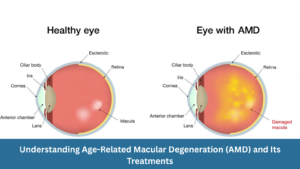
Understanding Age-Related Macular Degeneration (AMD) and Its Treatments
Understanding Age-Related Macular Degeneration (AMD) and Its Treatments At Clarity Eye Surgeons, we bring decades of ophthalmic expertise and advanced surgical experience to help Canberra
Diabetic eye disease: How to prevent vision loss?
Diabetic eye disease: How to prevent vision loss? What is diabetic eye disease? Diabetic eye disease refers to a group of eye conditions that can
Common vision problems in children and how to spot them early
Common vision problems in children and how to spot them early At Clarity Eye Surgeons in Canberra, our team of highly experienced paediatric ophthalmologists and

Double vision in children: What parents should know
Double vision in children: What parents should know Double vision, medically called diplopia, occurs when a child sees two images of a single object instead

Glaucoma: What it is, Symptoms, Causes, Types & Treatment
Glaucoma: What it is, Symptoms, Causes, Types & Treatment Glaucoma is often called the “silent thief of sight” because it can damage your vision gradually,

Living with wet macular degeneration: Treatment options and lifestyle tips
Living with wet macular degeneration: Treatment options and lifestyle tips Wet macular degeneration, also known as neovascular age-related macular degeneration (AMD), is a chronic eye

Retinal detachment: Early signs you should never ignore
Retinal detachment: Early signs you should never ignore Your eyes are extraordinary organs that allow you to experience the world in vivid colour, detail, and

Vitrectomy: What you need to know
Vitrectomy: What you need to know Vitrectomy is a specialised eye surgery performed to treat a range of disorders affecting the retina and vitreous —

Diabetes and your eyes: What you need to know
Diabetes and your eyes: What you need to know Diabetes is a chronic condition that affects how your body regulates blood sugar (glucose). While most

Nystagmus: Symptoms, Causes, and Treatments
Nystagmus: Symptoms, Causes, and Treatments Nystagmus is a condition in which the eyes make uncontrolled, repetitive movements. These movements can be slow or fast, side-to-side
What to know about blurry vision and diabetes?
What to know about blurry vision and diabetes? Blurry vision is a common and often early symptom of diabetes. If you or someone you know
Chalazion surgery: When is it necessary and What to expect
Chalazion surgery: When is it necessary and What to expect A chalazion is a common eyelid condition that can lead to discomfort, swelling, and cosmetic
Are prescription glasses effective for treating lazy eye?
Are prescription glasses effective for treating lazy eye? Lazy eye, also known as amblyopia, is a common vision problem in children, affecting a small percentage

Dry Eye Syndrome: Symptoms, Causes & Treatment
Dry Eye Syndrome: Symptoms, Causes & Treatment Do your eyes often feel dry, irritated, or fatigued? You might be experiencing Dry Eye Syndrome (DES)—a common

The Relationship Between Allergies and Eye Health in Children
The Relationship Between Allergies and Eye Health in Children Allergies are a prevalent concern among children and can significantly impact their quality of life. While

Understanding Astigmatism: Symptoms, Causes, Diagnosis, Treatment Options & Prevention
Understanding Astigmatism: Symptoms, Causes, Diagnosis, Treatment Options & Prevention What is Astigmatism? Astigmatism is a common eye condition that affects how your eye focuses light.

Understanding Retinal Detachment: Causes, Symptoms, Diagnosis and Treatment
Understanding Retinal Detachment: Causes, Symptoms, Diagnosis and Treatment As the principal ophthalmologist at Clarity Eye Surgeons, Dr Parth Shah is passionate about educating our patients