Types of Double Vision
Monocular
Affects only one eye, and may result from refractive errors like astigmatism, cataracts, or corneal irregularities. Typically less serious, but still worth a professional evaluation.
Binocular
Occurs when both eyes fail to work together properly — when one eye is misaligned, the brain receives two different images. Common causes include strabismus, muscle weakness or neurological conditions.
Common Causes
Strabismus
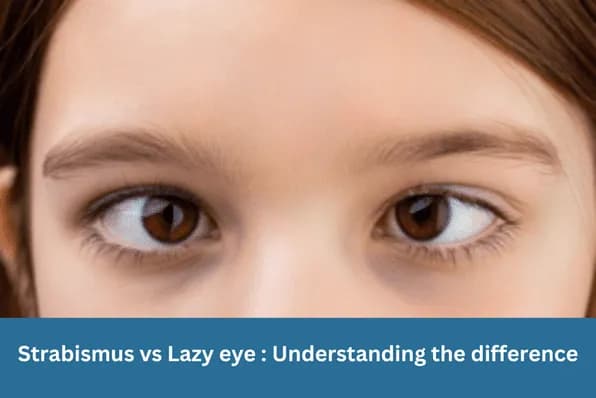
One of the most frequent causes — an eye drifting inward, outward, upward or downward. Untreated, it can lead to amblyopia.
Refractive Errors
Uncorrected short-sightedness, long-sightedness or astigmatism can cause eye strain that triggers double vision.
Eye Muscle Weakness
Conditions like nerve palsy or congenital muscle defects prevent proper alignment, sometimes leading to a compensatory head tilt.
Infections or Inflammation
Severe infections, conjunctivitis or uveitis can temporarily affect vision and need prompt treatment.
Head Injury or Trauma
Even a mild blow to the head or face can damage eye muscles or nerves and warrants evaluation.
Underlying Medical Conditions
Thyroid disorders, diabetes, or in rare cases brain tumours or neurological disorders can all be a cause.
Warning Signs Parents Should Watch For
Frequent head tilting or turning to see clearly
Covering one eye while reading or watching TV
Complaints of seeing two or overlapping images
Visibly misaligned or crossed eyes
Seek urgent care if double vision is sudden
Has your child mentioned seeing double?
Persistent double vision should always be assessed by a specialist — book an evaluation today.
Diagnosis & Tests
Comprehensive Eye Exam
Measures visual acuity, alignment and overall eye health.
Cover Test
Identifies eye misalignment by covering each eye in turn while your child focuses.
Refraction Test
Checks whether short or long-sightedness or astigmatism is contributing.
Neurological Evaluation
Used if nerve or brain involvement is suspected.
Imaging (MRI/CT)
Reserved for rare cases of suspected structural or serious underlying causes.
Treatment Options
- • Glasses or contact lenses — correcting refractive errors often eliminates double vision caused by eye strain.
- • Prism lenses — specially designed lenses that bend light to help the eyes align and reduce double images.
- • Vision therapy — eye exercises that improve coordination, focusing and alignment, particularly for mild strabismus.
- • Strabismus surgery — for significant misalignment, helping align the eyes and reduce double images.
Prompt, appropriate treatment is crucial to prevent amblyopia (lazy eye) and other long-term complications.
Conclusion
Double vision in children is always worth taking seriously. Most causes are very treatable once identified, and early detection prevents long-term vision problems — so if your child mentions seeing double, book an evaluation rather than waiting to see if it passes.
Frequently Asked Questions
Mild or temporary cases, particularly from fatigue or minor strain, may improve. But persistent double vision rarely resolves without professional evaluation, so early assessment is important.

Written by
Dr Parth ShahDr Parth Shah is director and principal ophthalmologist at Clarity Eye Surgeons, with specialist training in paediatric ophthalmology and strabismus surgery.
Medical disclaimer: This article is for educational purposes only and does not constitute medical advice, diagnosis, or treatment. Always consult a qualified ophthalmologist or healthcare professional regarding any eye condition or before making any healthcare decisions. Read our full disclaimer.
Don't wait on double vision
Book a free paediatric eye assessment to find the cause and the right treatment for your child.