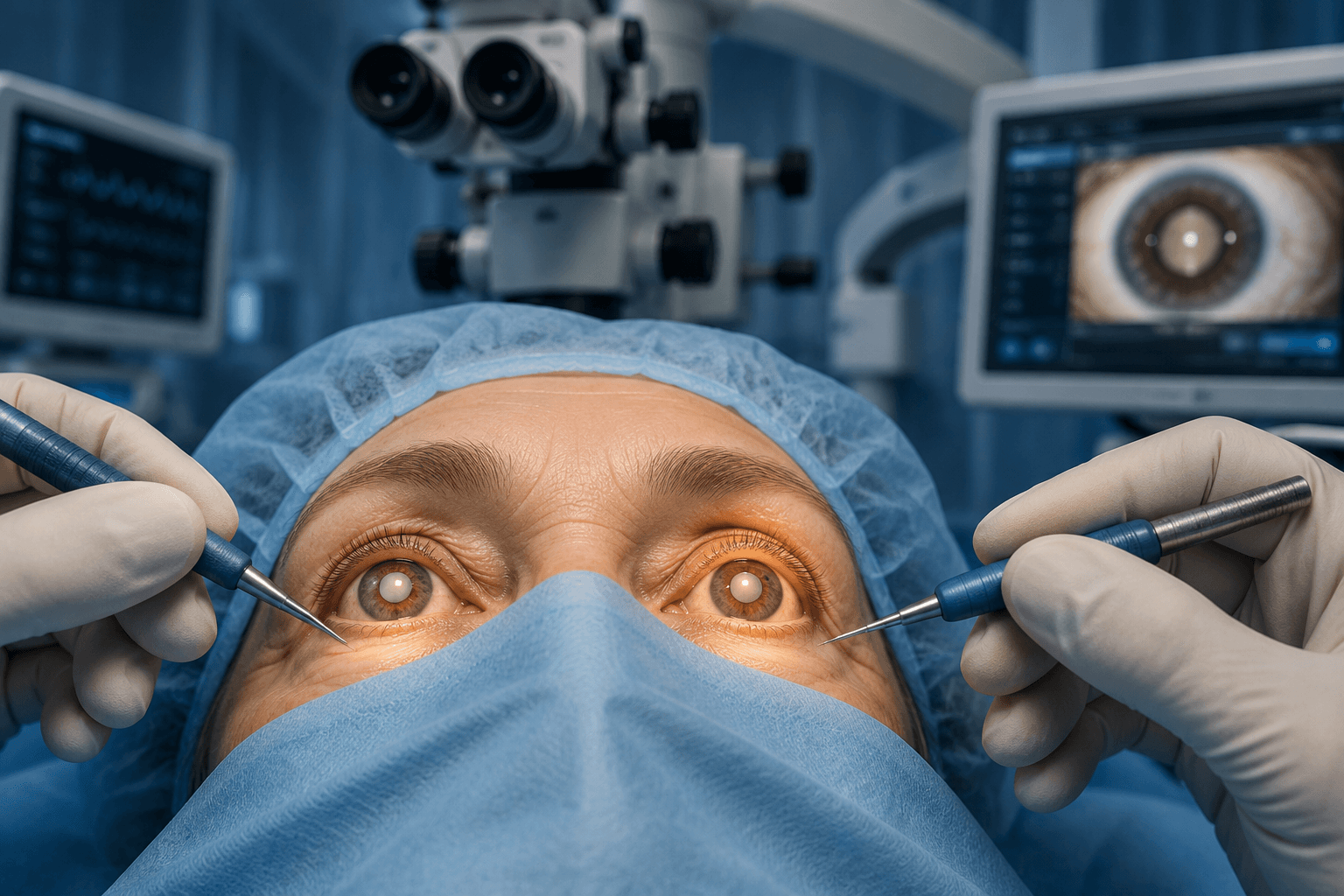
When Is Surgery Needed?
- • Vision is threatened by optic nerve compression
- • Severe bulging (proptosis) causes discomfort or exposure problems
- • Eyelid retraction makes it difficult to close or blink properly
- • Double vision persists despite medical management
- • Noticeable facial asymmetry is affecting confidence
Surgeons typically advise waiting until the disease has been stable for at least 6 to 12 months before recommending surgery.
Types of Surgery
Orbital Decompression
Creates more space in the eye socket by removing bone or fat, repositioning the eye and reducing pressure on the optic nerve.
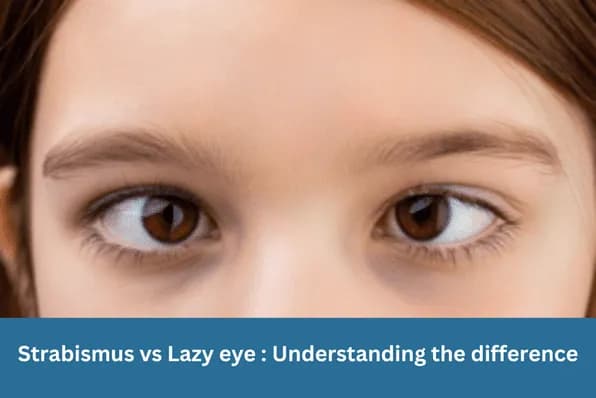
Strabismus (Eye Muscle) Surgery
Adjusts the position or length of the eye muscles to correct double vision.
Eyelid Surgery
Corrects eyelid retraction or puffiness, improving both eye protection and appearance.
These may be performed individually or sequentially, depending on which symptoms are present and how severe they are.
Wondering if surgery is right for you?
A specialist assessment can determine whether your TED has stabilised enough for surgical correction.
Recovery Timeline
1–2 Weeks
Until most patients resume normal activities
Several Months
For complete healing
Weeks
For swelling and bruising to improve
Patients need to avoid strenuous activity and follow post-operative instructions, with regular ophthalmologist follow-ups to ensure proper healing and stable vision.
What Results Can You Expect?
Surgery aims to restore comfort, protect vision and improve appearance. Typical outcomes include a significant reduction in bulging, improved eyelid closure, relief from double vision, and enhanced facial symmetry. Results depend on disease severity and timing — combining surgery with stable thyroid management and healthy lifestyle habits supports the best long-term outcome.
Preventing Thyroid Eye Disease From Worsening
Stop smoking — it significantly worsens symptoms
Maintain stable thyroid hormone levels with your endocrinologist
Wear sunglasses for wind and light protection
Use lubricating eye drops for dryness
Coordinated care matters
Conclusion
Surgery is never the first step for thyroid eye disease, but for patients with stable, residual symptoms, it can meaningfully restore comfort, protect vision and improve confidence. If medical treatment hasn't fully resolved your symptoms once your TED has settled, it's worth discussing whether surgery could help.
Frequently Asked Questions
Sometimes, especially in mild cases, it improves once thyroid levels are stabilised. But persistent changes — particularly bulging, eyelid retraction or double vision — often need medical or surgical correction.

Written by
Dr Parth ShahDr Parth Shah is director and principal ophthalmologist at Clarity Eye Surgeons, with over a decade of experience treating thyroid eye disease, including surgical correction.
Medical disclaimer: This article is for educational purposes only and does not constitute medical advice, diagnosis, or treatment. Always consult a qualified ophthalmologist or healthcare professional regarding any eye condition or before making any healthcare decisions. Read our full disclaimer.
Ready to discuss your options?
Book a consultation to find out whether surgery could help with your thyroid eye disease symptoms.