Understanding Wet Macular Degeneration
Wet AMD (neovascular age-related macular degeneration) develops when abnormal blood vessels grow beneath the retina and leak fluid or blood, causing inflammation and potential scarring of the macula — distorting central vision and affecting reading, recognising faces and driving. Unlike dry AMD's slower progression, wet AMD can cause rapid vision loss without prompt treatment, which is why early detection matters so much.
Common symptoms include blurred or distorted central vision, straight lines appearing wavy, dark or empty spots in your central vision, and difficulty recognising faces.
Treatment Options
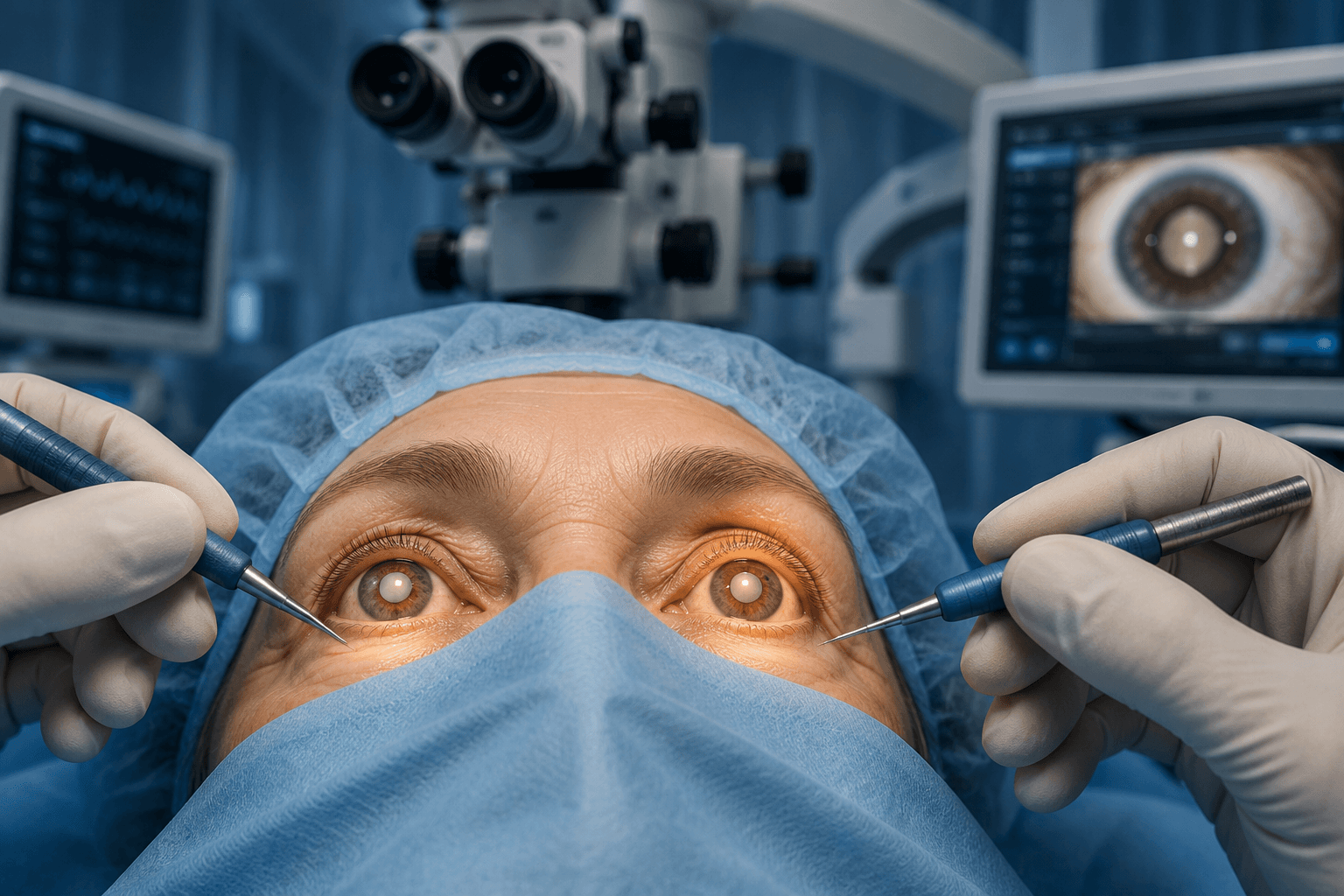
Anti-VEGF Injections
The most common treatment — blocks abnormal blood vessel growth and stabilises or improves vision in most patients.
Photodynamic Therapy
A light-sensitive drug is activated by laser to destroy abnormal blood vessels, used for specific cases.
Laser Photocoagulation
Seals abnormal vessels using high-energy laser, suited to vessels away from the central macula.
Emerging treatments include long-acting anti-VEGF implants with reduced injection frequency, and gene therapy currently in clinical trials.
Managing wet AMD or supporting someone who is?
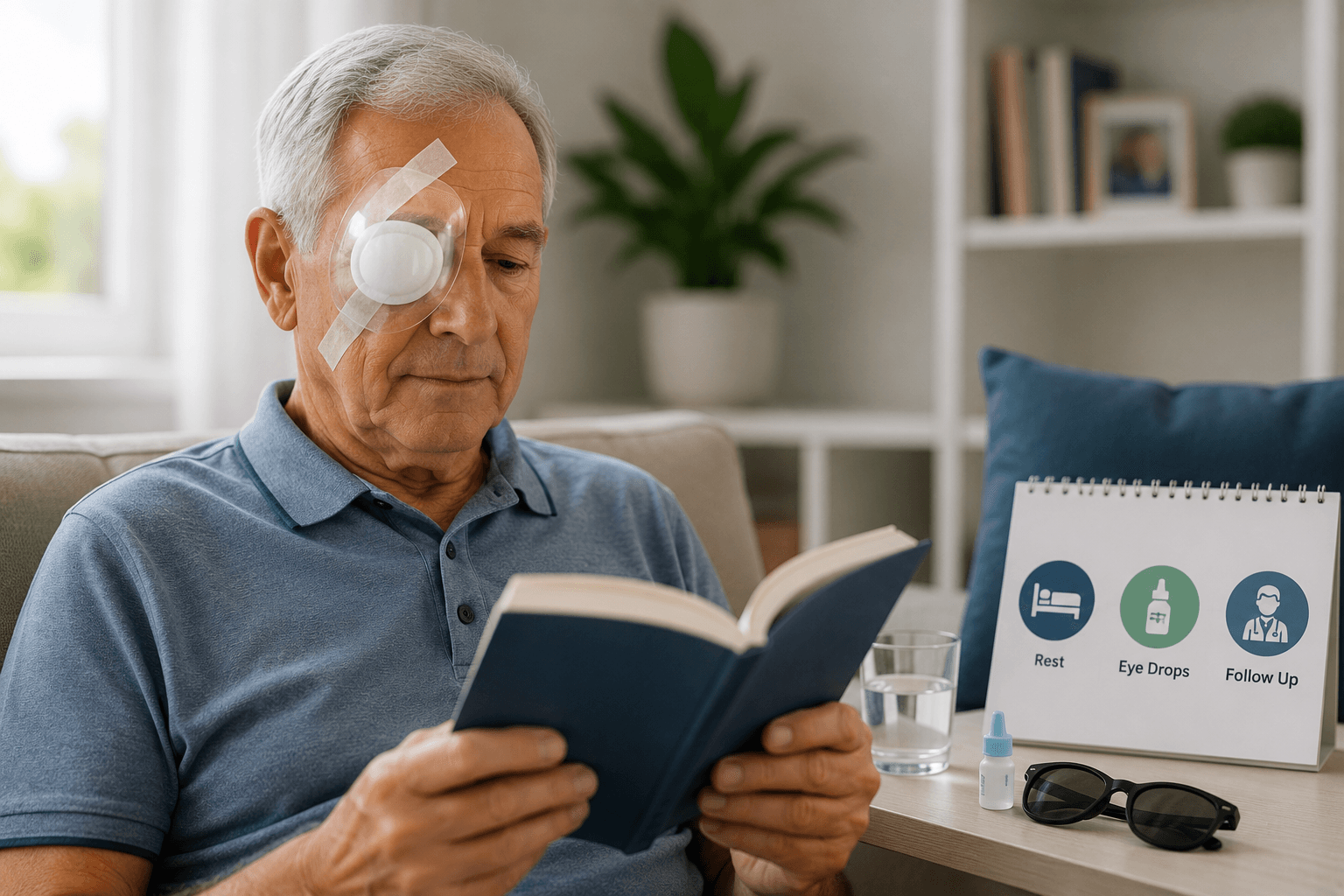
Consistent treatment combined with the right lifestyle adjustments makes a real difference.
Lifestyle Tips
Nutrition
An eye-healthy diet rich in leafy greens, colourful fruits and omega-3s, plus AREDS2 supplements if recommended.
Eye Protection
UV-protective sunglasses outdoors and good lighting at home to reduce eye strain.
Home Adjustments
Magnifying lenses, large-print materials, and bright, adjustable lighting in key areas.
Low-Vision Technology
Screen readers, audiobooks, voice assistants and high-contrast device settings.
Healthy Habits
Regular exercise, managing blood pressure, diabetes and cholesterol, and regular eye check-ups.
Coping Emotionally & Socially
A wet AMD diagnosis can affect independence and confidence — counselling or support groups can help manage frustration or anxiety, while involving family and staying socially active (even if tasks take more time) helps prevent isolation.
A diagnosis doesn't have to stop you living fully
Conclusion
Wet macular degeneration may change the way you see the world, but it doesn't have to stop you living a fulfilling life. With consistent treatment, regular eye care, and a few practical adjustments, most people continue to do the things they value most.
Frequently Asked Questions
Genetics can play a role, with a family history of AMD increasing your risk.

Written by
Dr Parth ShahDr Parth Shah is director and principal ophthalmologist at Clarity Eye Surgeons, specialising in eye injections for retinal disease including wet AMD.
Medical disclaimer: This article is for educational purposes only and does not constitute medical advice, diagnosis, or treatment. Always consult a qualified ophthalmologist or healthcare professional regarding any eye condition or before making any healthcare decisions. Read our full disclaimer.
Get advanced treatment and compassionate support
Book a consultation to discuss treatment options for wet macular degeneration.