What Causes TED to Develop?
TED stems from an abnormal autoimmune response, where the immune system produces antibodies that target the tissues surrounding the eyes — particularly the muscles and fat within the eye socket. Key risk factors include:
Treatment Options by Severity
Mild Cases
Lubricating drops, cold compresses, head-elevated sleep, smoking cessation, and thyroid hormone control under your endocrinologist.
Active Inflammation
Corticosteroid therapy (oral or intravenous) reduces swelling and discomfort, helping protect the optic nerve.
Moderate to Severe TED
Targeted biologic therapies, such as teprotumumab, help reduce inflammation and eye bulging under specialist supervision.
Orbital Radiotherapy
Low-dose radiotherapy can control inflammation in selected patients, often combined with corticosteroids.
Managing thyroid eye disease day to day?
A tailored treatment plan can significantly improve comfort and slow disease progression.
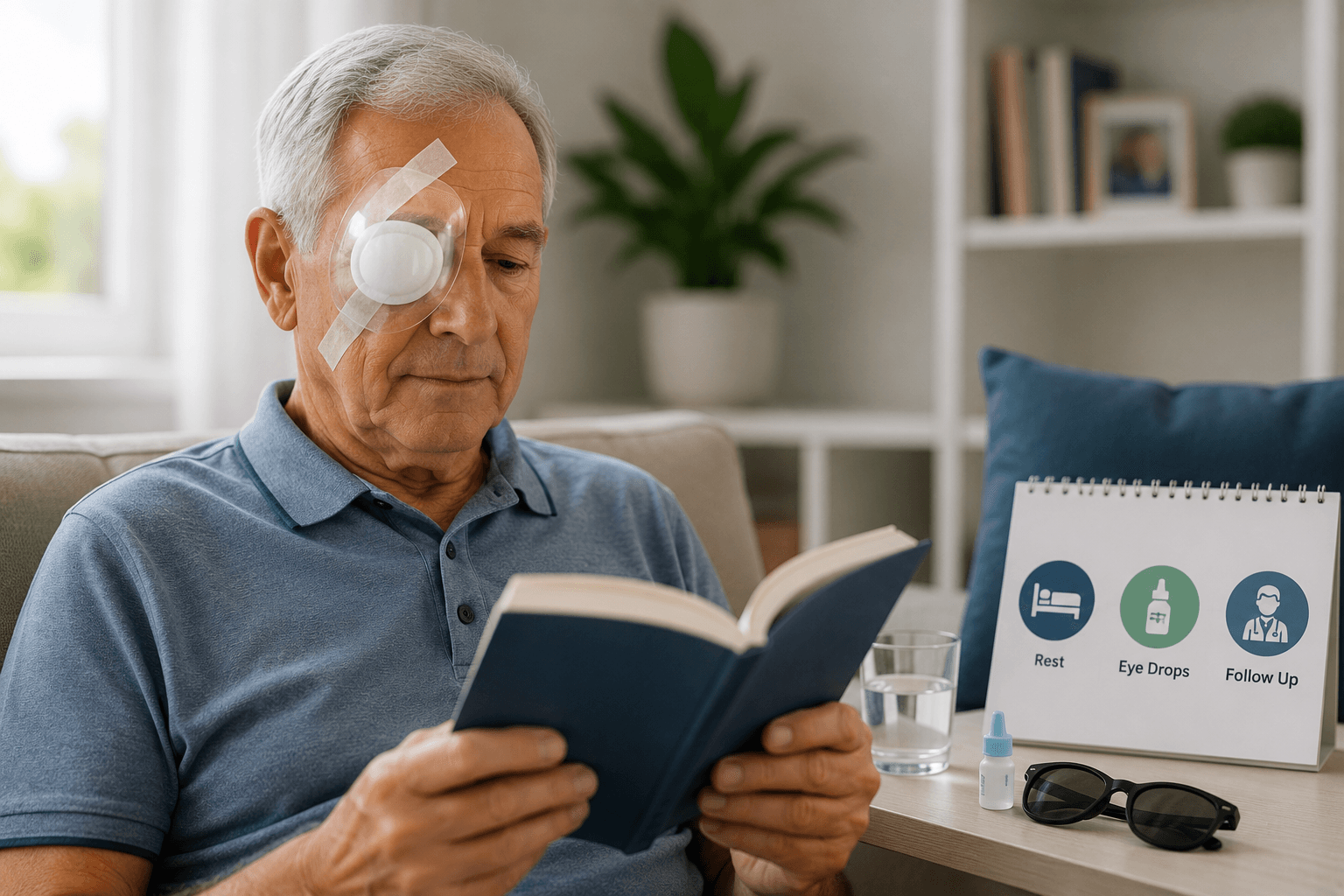
Lifestyle Management Strategies
Stop Smoking
The single strongest modifiable risk factor — quitting significantly improves treatment outcomes.
Lubricating Drops
Artificial tears relieve dryness and irritation throughout the day.
Cool Compresses
Help relieve swelling and discomfort around the eyes.
Sleep Elevated
Sleeping with your head raised reduces overnight puffiness.
Sun Protection
Sunglasses protect sensitive eyes from light and wind irritation.
A Multidisciplinary Approach
Effective TED care means your ophthalmologist working closely with your endocrinologist to stabilise thyroid hormone levels, alongside thorough evaluation, individualised treatment planning, and long-term follow-up to monitor stability and prevent recurrence.
Most people return to comfortable daily life
Conclusion
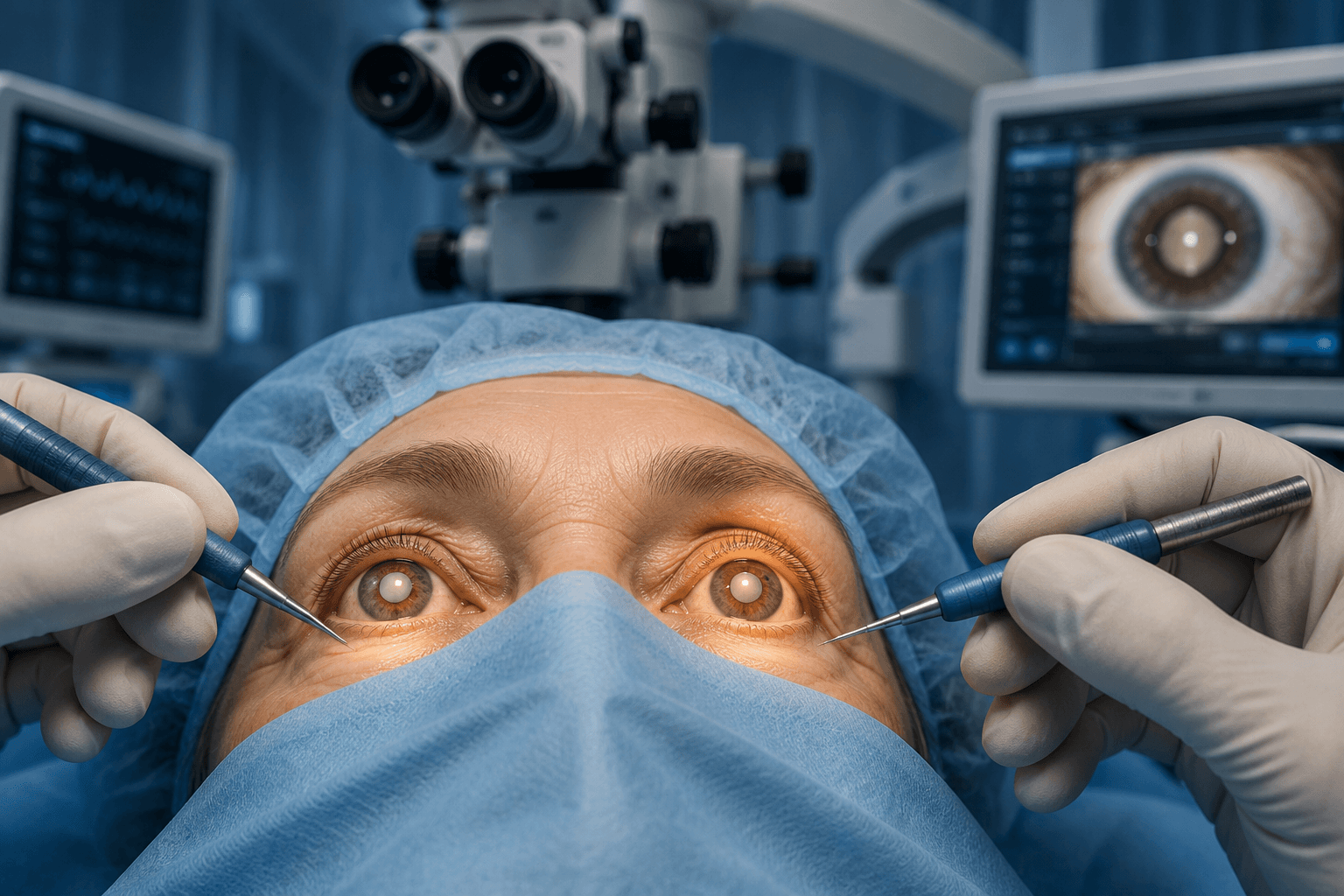
Living with thyroid eye disease doesn't mean facing it alone. With early evaluation, a tailored treatment plan and a few consistent lifestyle habits, most people regain comfort and confidence — and surgery remains an option later if residual symptoms need addressing.
Frequently Asked Questions
The active phase typically lasts six months to two years. After that, the condition usually becomes stable or inactive, though some effects may remain and can be addressed surgically if needed.

Written by
Dr Parth ShahDr Parth Shah is director and principal ophthalmologist at Clarity Eye Surgeons, offering comprehensive medical and surgical care for thyroid eye disease.
Medical disclaimer: This article is for educational purposes only and does not constitute medical advice, diagnosis, or treatment. Always consult a qualified ophthalmologist or healthcare professional regarding any eye condition or before making any healthcare decisions. Read our full disclaimer.
Take the first step toward feeling like yourself again
Book a consultation to discuss a treatment plan tailored to your thyroid eye disease.