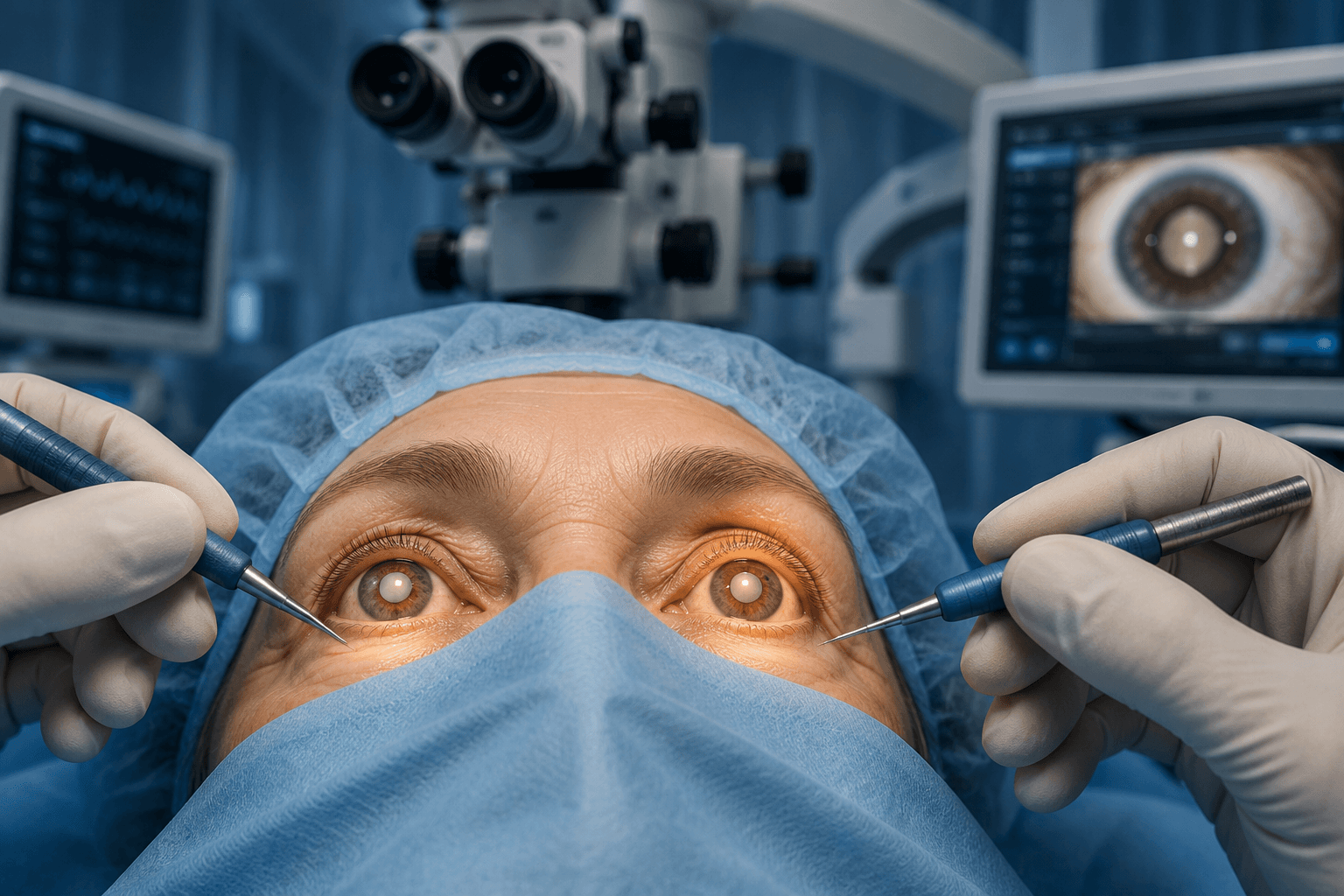
What Are Intravitreal Injections?
These are specialised treatments delivered directly into the vitreous cavity of the eye, allowing medication to act immediately on the retina. Common medications include anti-VEGF drugs, which block abnormal blood vessel growth, and corticosteroids, which reduce inflammation and fluid leakage.
How Injections Preserve Vision
Reducing Fluid Leakage
Less fluid escaping from damaged retinal vessels means less swelling overall.
Minimising Retinal Swelling
Treats macular oedema directly, helping restore clearer central vision.
Preventing Abnormal Vessels
Blocks neovascularisation — the growth of fragile new blood vessels prone to bleeding.
Together, these actions stop further deterioration of vision and lower the risk of severe complications such as vitreous haemorrhage or retinal detachment.
Who Benefits From Treatment?
Suitable candidates include patients with macular oedema (swelling in the central retina), proliferative diabetic retinopathy with fragile new blood vessels, or early retinal damage found during a routine exam. Early treatment can help slow the progression of diabetic retinopathy and protect your long-term vision.
Living with diabetes? Protect your eyes early
Regular retinal screening and early treatment make the biggest difference in preserving vision.
Treatment Frequency & Process
3–6 Months
Initial phase, usually monthly injections
6–12 Weeks
Maintenance interval based on retinal response
10–15 Min
Typical procedure time, same-day discharge
Treatment is monitored using optical coherence tomography (OCT) scans to time and dose each injection optimally. Some patients notice subtle improvements within weeks, though significant stabilisation may take several months — regular follow-up appointments track your progress throughout.
Injections are not a cure
Conclusion
Diabetic retinopathy can silently threaten your sight, but intravitreal injections offer a proven way to protect vision and slow disease progression. Combined with consistent blood sugar control and regular eye screening, this treatment helps people with diabetes maintain their independence and quality of life for the long term.
Frequently Asked Questions
Injections primarily stabilise vision and prevent further deterioration. Some patients notice slight improvement, but they generally can't fully reverse existing retinal damage.

Written by
Dr Parth ShahDr Parth Shah is director and principal ophthalmologist at Clarity Eye Surgeons, specialising in eye injections for retinal disease including diabetic retinopathy.
Medical disclaimer: This article is for educational purposes only and does not constitute medical advice, diagnosis, or treatment. Always consult a qualified ophthalmologist or healthcare professional regarding any eye condition or before making any healthcare decisions. Read our full disclaimer.
Have diabetes? Don't wait to get your eyes checked
Book a consultation to screen for diabetic retinopathy and discuss treatment options early.