
What Is Glaucoma?
Glaucoma damages the optic nerve, the structure that carries visual information from your eye to your brain. It's most often caused by a build-up of fluid pressure inside the eye, though some people develop glaucoma with entirely normal pressure. Left untreated, it causes permanent peripheral vision loss that can progress to central vision loss and blindness.
Because early glaucoma rarely causes noticeable symptoms, many people don't realise they have it until significant damage has already occurred — which is exactly why comprehensive eye exams matter, even when your vision feels fine.
Symptoms of Glaucoma
Often no symptoms at all in the early stages
Subtle, then progressive loss of peripheral (side) vision
Halos around lights, particularly at night
Sudden severe eye pain, nausea or vomiting — a medical emergency
Causes & Risk Factors
The main driver is raised eye pressure from impaired fluid drainage, though genetics, injury and other health conditions all play a role. Key risk factors include:
Types of Glaucoma
Glaucoma isn't one disease — primary open-angle glaucoma is the most common form, progressing slowly and silently. Angle-closure glaucoma can develop suddenly as a medical emergency. Other forms include normal-tension, secondary, congenital and exfoliative glaucoma, each with its own cause and risk profile.
For a detailed breakdown of each type, read our full guide: What Are the Different Types of Glaucoma?
Worried about your glaucoma risk?
A comprehensive eye exam, including pressure testing and optic nerve imaging, is the best way to catch glaucoma early.
How Glaucoma Is Diagnosed
Glaucoma can't be detected by a simple vision check alone. A combination of tests builds a complete picture:
Tonometry
Measures the pressure inside the eye.
Visual Field Test
Checks for blind spots and peripheral vision loss.
OCT Scan
Detailed imaging of the optic nerve and retinal nerve fibres.
Gonioscopy
Examines the drainage angle to classify open vs angle-closure glaucoma.
Pachymetry
Measures corneal thickness, which affects how pressure readings are interpreted.
Treatment Options
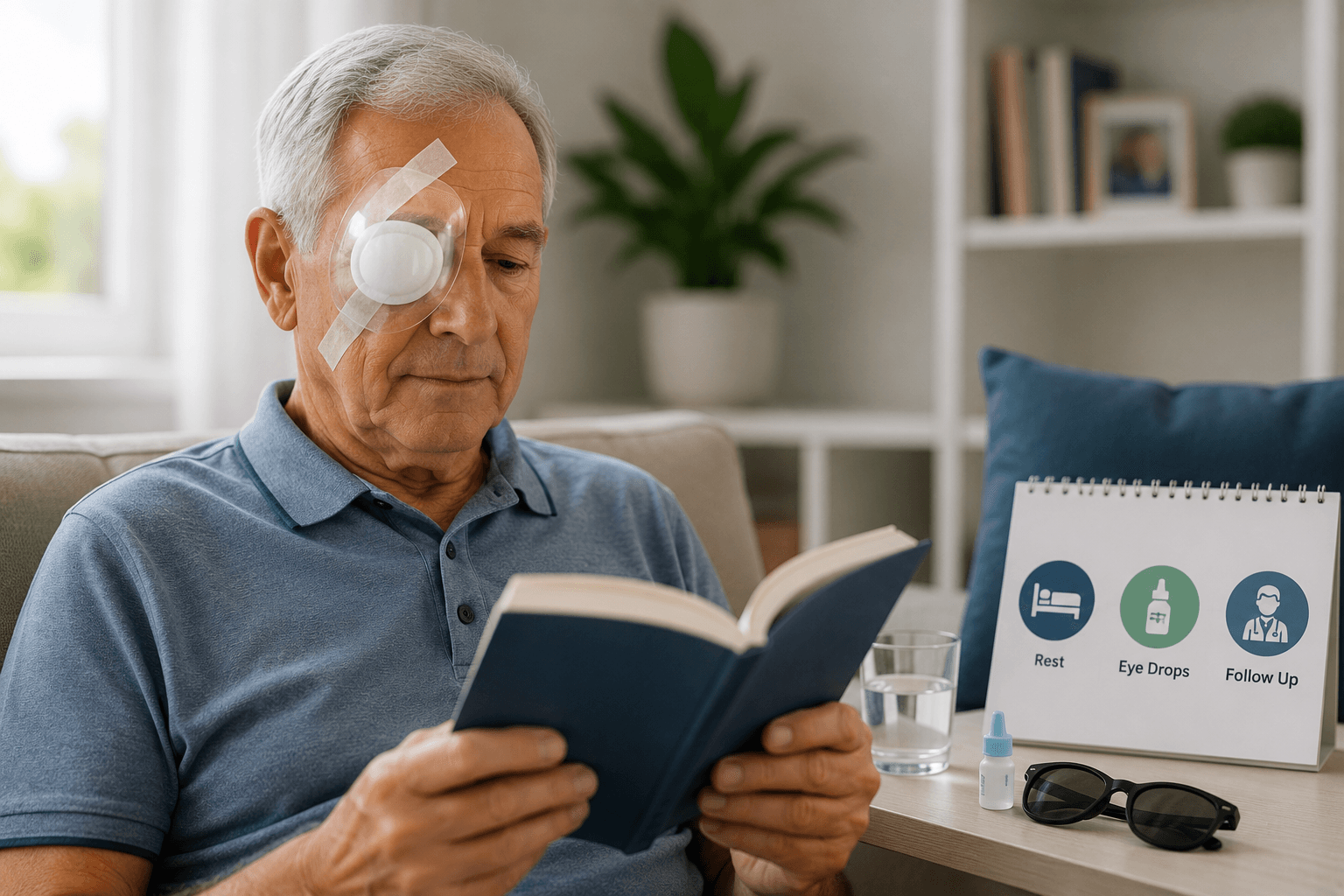
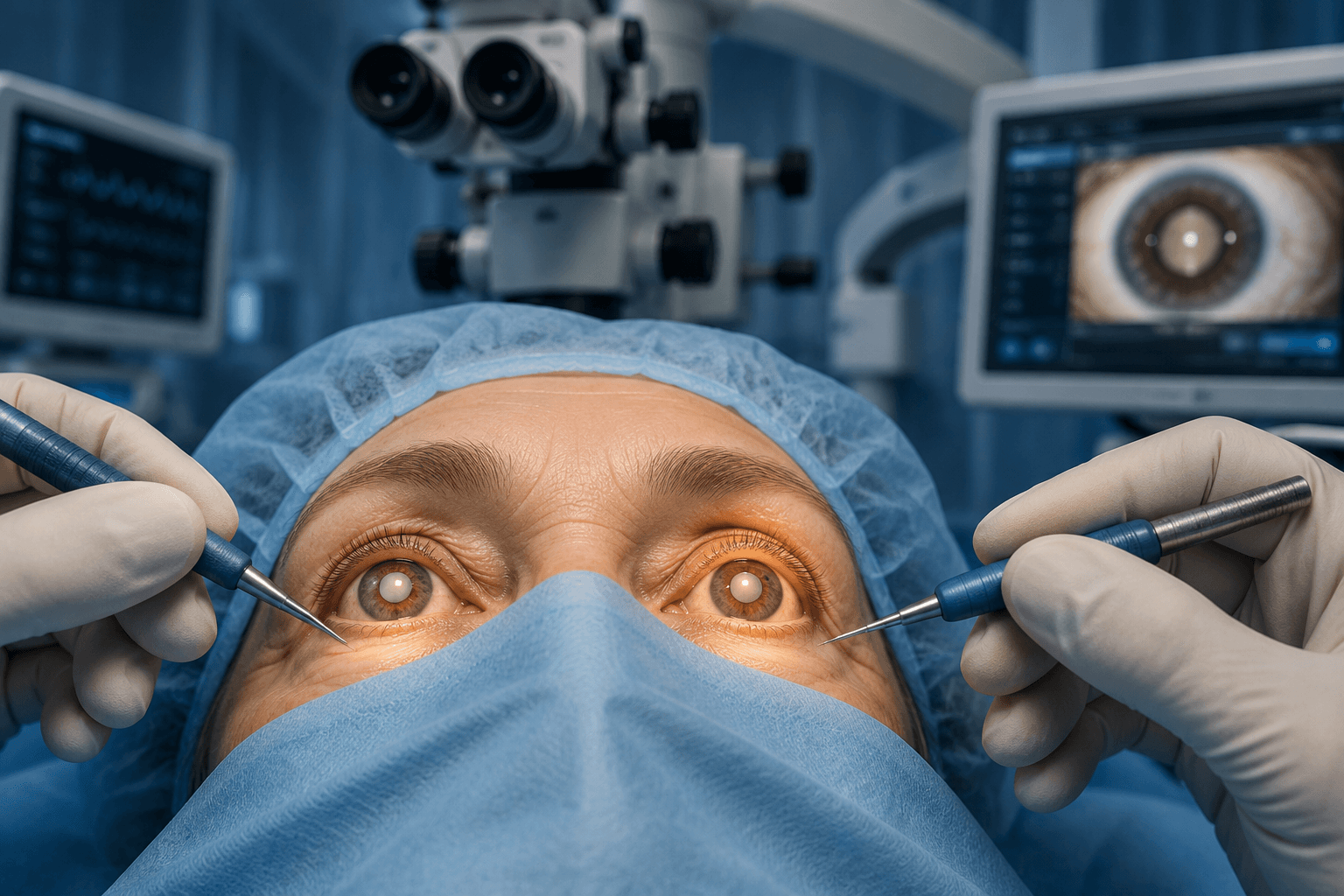
There's no cure for glaucoma, but early and ongoing treatment can prevent or slow further vision loss. Most people start with daily eye drops, step up to laser treatment if needed, and only consider surgery when drops and laser can't control pressure adequately. Very few glaucoma patients ever need surgery.
If you'd like to understand the surgical options in more depth, read: Glaucoma Surgery Explained: Trabeculectomy, MIGS & Tube Shunts
Living with glaucoma is a lifelong process
Conclusion
Glaucoma doesn't have to mean losing your sight — but it does require ongoing care. With regular eye exams from age 40 (earlier if you have risk factors), early diagnosis, and consistent treatment, most people retain good functional vision for life.
Frequently Asked Questions
Glaucoma can't always be prevented, but regular eye exams, a healthy lifestyle, and controlling risk factors like high blood pressure and diabetes can all help reduce your risk of vision loss.

Written by
Dr Mariana ShealesDr Mariana Sheales manages glaucoma at Clarity Eye Surgeons, from diagnosis and drops through to laser and surgical care, alongside cataract surgery and diabetic eye disease.
Medical disclaimer: This article is for educational purposes only and does not constitute medical advice, diagnosis, or treatment. Always consult a qualified ophthalmologist or healthcare professional regarding any eye condition or before making any healthcare decisions. Read our full disclaimer.
Take the first step in protecting your vision
Book a free glaucoma assessment with our Canberra ophthalmologists today.