Why Age Matters
Intravitreal injections deliver medication directly into the eye's vitreous cavity, targeting the retina and macula — and age significantly affects how that treatment is planned. Elderly eyes tend to have thinner, more fragile tissue and reduced tear production, leading to dry eye. Older patients also face a higher infection risk and slower recovery from inflammation, which means meticulous technique and careful post-injection monitoring matter even more.
Common Conditions Requiring Injections
Age-Related Macular Degeneration
A leading cause of vision loss in Australians over 60, often needing long-term injections to slow or halt vision loss and preserve independence.
Diabetic Eye Disease
Long-standing diabetes raises the risk of retinal damage. Blood sugar control affects how well treatment works, and healing can be slower.
Retinal Vein Occlusion
Age and cardiovascular disease increase the risk of blockages, requiring blood pressure monitoring alongside regular eye imaging.
Managing Anxiety & Comfort
Clear, step-by-step explanations in simple language make a real difference, and carers or family members are always welcome to attend appointments for support. Minimising waiting times and offering reassurance throughout helps keep the experience as comfortable as possible.
Caring for an elderly parent or relative?
We welcome carers and family members at every appointment, and explain each step clearly.
What to Expect
Injections are performed in a sterile clinic setting without general anaesthesia. The eye is numbed with drops, and the injection itself takes only a few seconds — the full appointment usually takes 20–30 minutes.
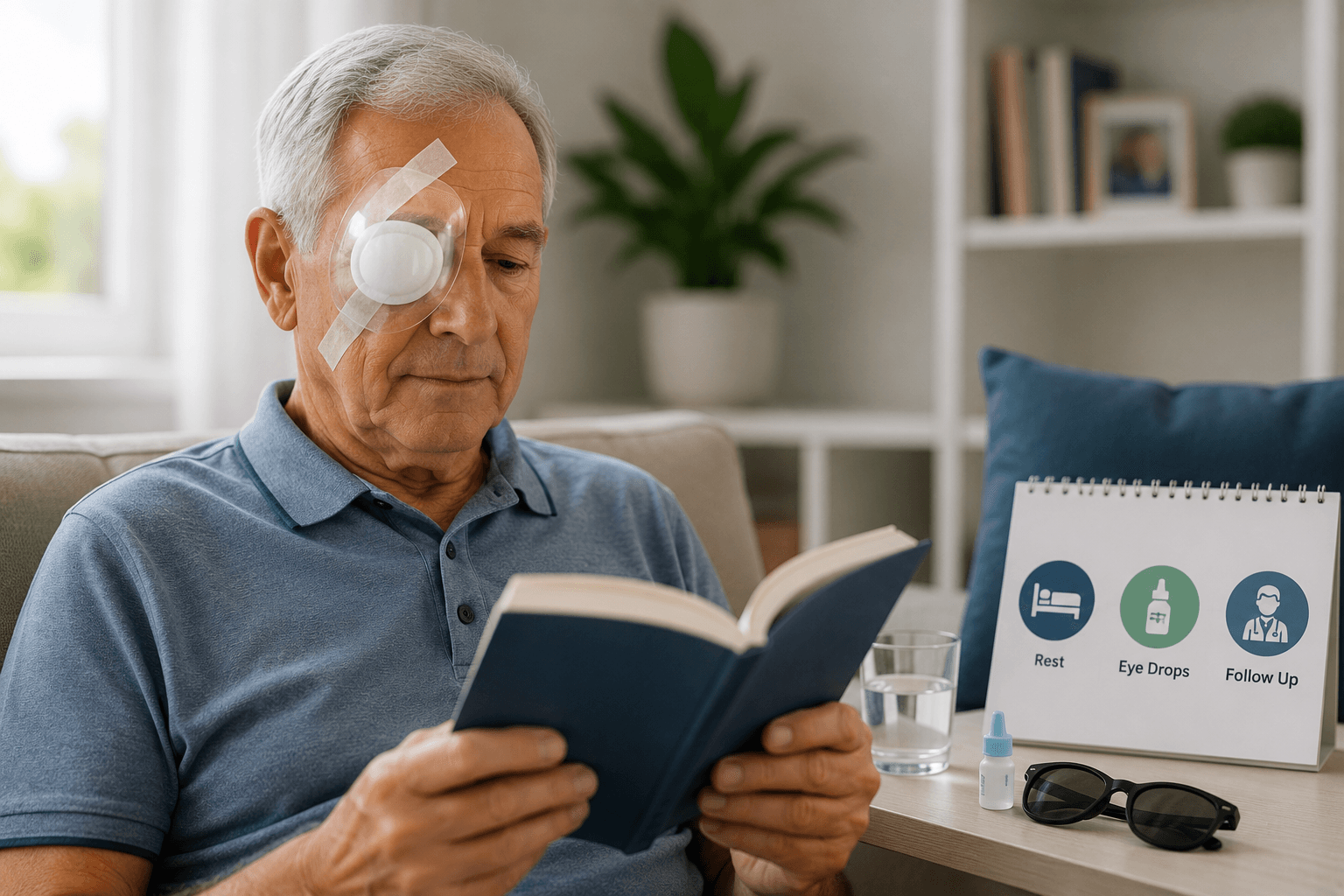
Recovery:mild irritation on the day, vision settling within 24–48 hours, and normal sensation returning within about a week. Most patients resume their usual activities within a day.
Safety & Risks
Eye injections are very safe when performed by experienced specialists. Possible risks include temporary discomfort, mild floaters, a short-term rise in eye pressure, dry eye symptoms, or — rarely — infection. Strict infection-control protocols help keep complications to a minimum.
Bring a support person
Conclusion
Age brings extra considerations to eye injection therapy, but it doesn't make treatment any less safe or effective. With experienced specialists, clear communication, and support from family or carers, elderly patients can continue this treatment comfortably and confidently — protecting vision and independence for years to come.
Frequently Asked Questions
This varies by condition and treatment response — often monthly to start, potentially moving to a less frequent maintenance schedule over time.

Written by
Dr Parth ShahDr Parth Shah is director and principal ophthalmologist at Clarity Eye Surgeons, specialising in eye injections for retinal disease in patients of all ages.
Medical disclaimer: This article is for educational purposes only and does not constitute medical advice, diagnosis, or treatment. Always consult a qualified ophthalmologist or healthcare professional regarding any eye condition or before making any healthcare decisions. Read our full disclaimer.
Looking for gentle, experienced care?
Book a consultation to discuss eye injection treatment for yourself or a loved one.