What Is Uveitis, and Why Does Inflammation Matter?
Uveitis is inflammation affecting the iris, ciliary body or choroid — structures inside the eye. It can be triggered by autoimmune conditions, infections, or sometimes has no identifiable cause at all. Left unchecked, that inflammation can permanently damage the retina and optic nerve, threatening vision.
Eye injections matter because they deliver medication directly to the affected tissue. That targeted approach controls inflammation faster, while reducing reliance on oral steroids, which carry broader side effects across the body.
How Eye Injections Help
Injections are typically used when inflammation is moderate to severe, eye drops alone aren't enough, oral steroids cause unwanted side effects, or vision is being threatened by swelling or fluid build-up. Depending on your condition, your ophthalmologist may use:
- Intravitreal corticosteroids — for retinal swelling (macular oedema), vasculitis and chronic uveitis.
- Periocular steroid injections — positioned around rather than inside the eye, limiting systemic exposure.
- Immunomodulatory injections (biologics) — for inflammation driven by autoimmune disease.
< 1 Minute
Typical injection procedure time
Days
Until inflammation begins to settle
1–2 Weeks
Until clearer vision typically returns
Types of Injections — What's the Difference?
| Intravitreal | Sub-Tenon / Periocular | Long-Acting Implant | |
|---|---|---|---|
| Where it's delivered | Directly into the vitreous cavity, inside the eye | Around the eye, not inside it | Inside the eye, as a sustained-release device |
| Best suited for | Retinal or macular involvement | More generalised inflammation | Patients needing fewer repeat injections |
| How long it lasts | Weeks, then repeated as needed | Weeks, then repeated as needed | Months to years |
Concerned about eye inflammation?
Our ophthalmologists offer targeted injection therapy for uveitis and inflammatory eye disease, tailored to your condition.
What to Expect During Treatment
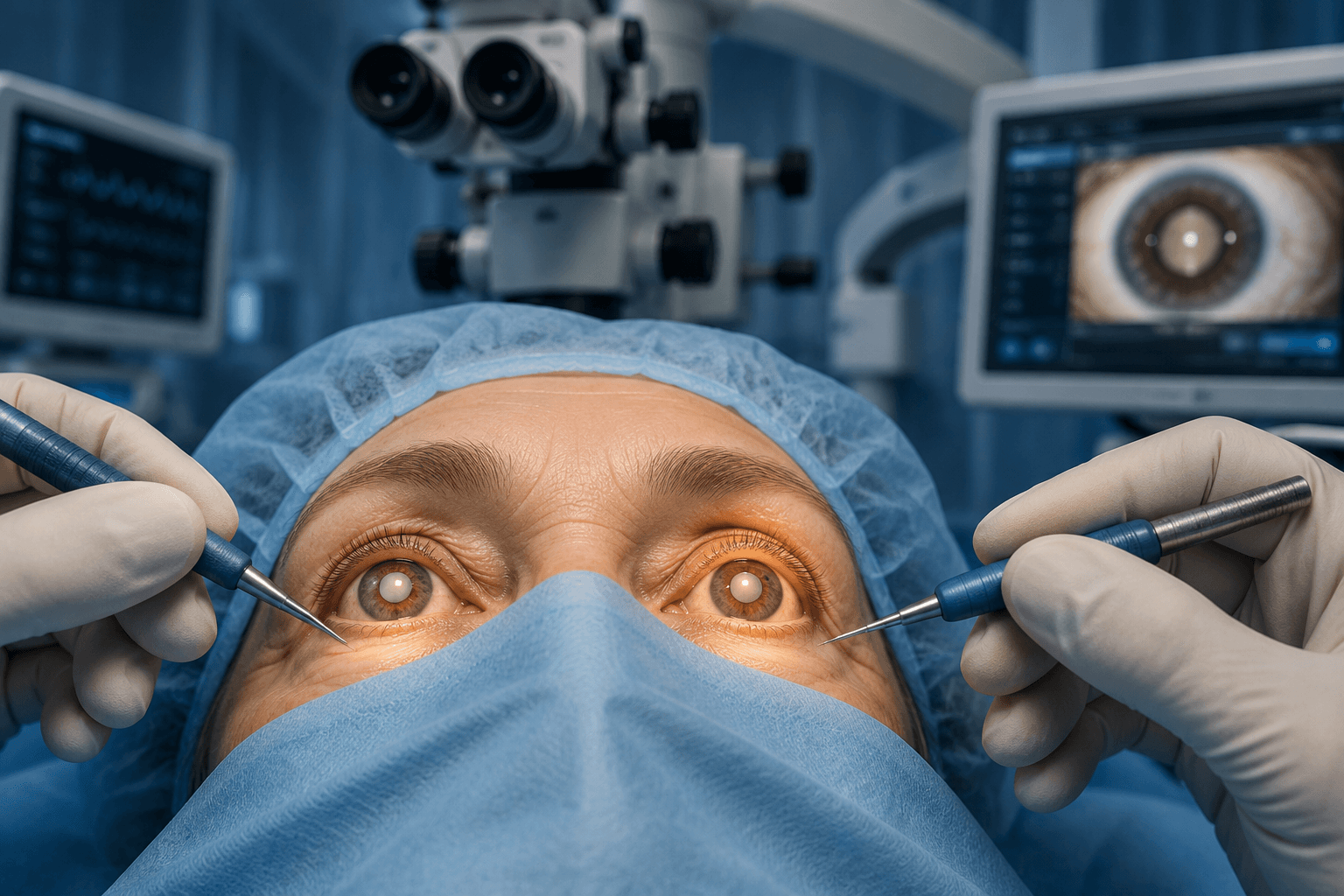
A local anaesthetic numbs the eye, the surface is thoroughly cleaned, and the medication is delivered through a tiny opening — the whole process typically takes less than a minute. Most patients describe a sensation of pressure rather than pain.
Recovery is usually straightforward: mild scratchiness on day one, inflammation beginning to settle within days, and clearer, more comfortable vision within 1–2 weeks. Most patients resume daily activities quickly, with regular follow-up appointments to monitor progress and adjust treatment as needed.
Risks & Safety
Eye injections are very safe overall, though patients with inflammatory eye disease benefit from closer monitoring. Possible risks include:
Temporary floaters
Small specks or shapes drifting across your vision in the days after injection, usually settling on their own.
Mild redness or irritation
Common in the first day or two as the eye recovers.
Slight pressure elevation
Eye pressure can rise temporarily and is monitored at follow-up.
Infection (very rare)
Endophthalmitis is a rare but serious risk with any intraocular injection.
Inflammatory eye disease can be unpredictable
Conclusion
Eye injections give ophthalmologists a fast, targeted way to control inflammation in uveitis and other inflammatory eye disease, often avoiding the broader side effects of long-term oral steroids. Inflammatory eye disease can be unpredictable, but with the right combination of treatment and regular monitoring, most patients maintain stable, functional vision for many years. If you're experiencing eye redness, pain or blurred vision, don't wait — early treatment makes a real difference to the outcome.
Frequently Asked Questions
This varies based on how severe the inflammation is, how you respond to treatment, and which medication is used. Your ophthalmologist will set a personalised schedule and adjust it based on your progress.

Written by
Dr Parth ShahDr Parth Shah is director and principal ophthalmologist at Clarity Eye Surgeons, specialising in eye injections alongside cataract and strabismus surgery.
Medical disclaimer: This article is for educational purposes only and does not constitute medical advice, diagnosis, or treatment. Always consult a qualified ophthalmologist or healthcare professional regarding any eye condition or before making any healthcare decisions. Read our full disclaimer.
Don't let inflammation put your vision at risk
Book a consultation with our ophthalmologists to discuss treatment for uveitis or inflammatory eye disease.