Understanding ROP
Babies born early have visual systems that are still developing — the retina, optic nerve and blood vessels normally continue maturing into late pregnancy. When birth happens prematurely, these structures can be underdeveloped, leaving them vulnerable to conditions like ROP, where abnormal blood vessel growth occurs in the retina, which can cause scarring and permanent vision loss if left untreated.
Risk factors include birth before 32 weeks gestation, birth weight under 1,500 grams, fluctuating oxygen levels during neonatal care, and extended NICU stays or ventilation requirements.
Severity Levels
Stages 1–2
Mild disease, typically resolves without intervention.
Stage 3
Increased abnormal vessel growth — treatment may become necessary.
Stages 4–5
Retinal detachment is present — urgent intervention is required to preserve vision.
Most infants fall into the milder categories, though the disease can progress quickly, which is why regular screening matters.
Has your baby been screened for ROP?
Our paediatric specialist provides specialist screening and treatment for premature infants' eye health.
Treatment Options
Laser Therapy
The most common, proven treatment — targets areas of the outer retina where abnormal vessels form, preventing scarring and detachment.
Anti-VEGF Injections
Blocks the signals that trigger abnormal vessel growth, particularly effective for aggressive or central ROP, with closer follow-up needed.
Surgery
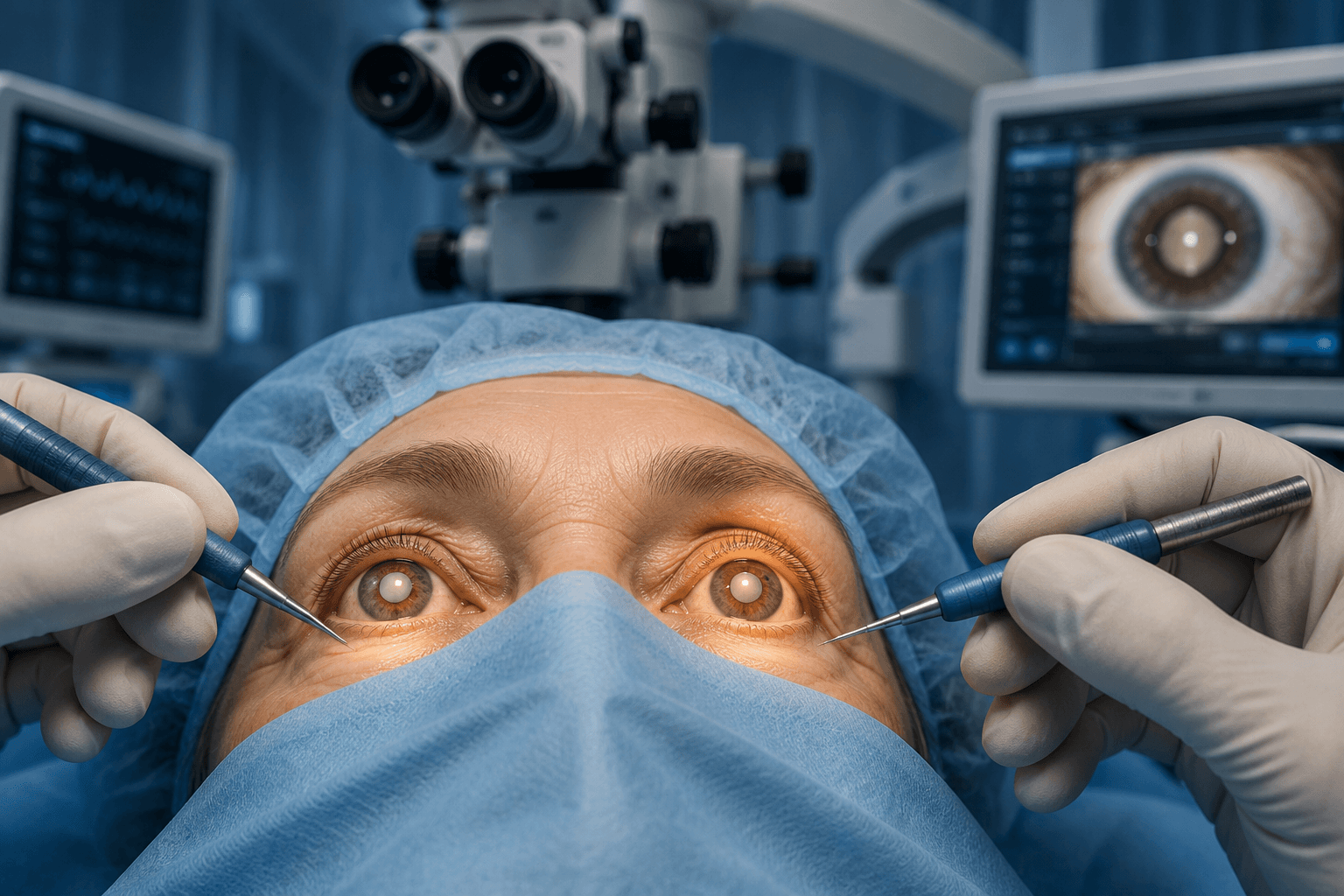
Reserved for advanced disease with retinal detachment or scarring — procedures like vitrectomy aim to reattach the retina and stabilise the eye.
Other Eye Conditions Linked With Prematurity
Refractive Errors
Myopia, hyperopia and astigmatism are common from altered eye growth patterns, often needing glasses early in childhood.
Strabismus
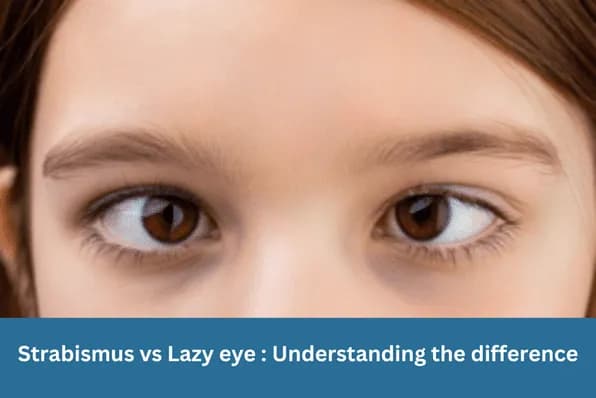
Eye misalignment from immature eye muscles or visual development — early intervention helps prevent amblyopia.
Amblyopia
Reduced vision in one eye when the brain favours the other — treated with glasses, patching or vision therapy.
Screening & Follow-Up
4–6 Weeks
Screening typically begins after birth
Ongoing
Follow-up through infancy and early childhood
Lifelong
Benefit from regular paediatric eye reviews
Ophthalmologists use dilating drops and specialised lenses to examine the retina, with follow-up intervals depending on severity and how the blood vessels are developing. Once retinal development stabilises, screening becomes less frequent, though ongoing paediatric eye reviews remain valuable.
Most premature infants do well
Conclusion
Most premature infants achieve good visual outcomes with the right screening and follow-up. ROP and related conditions are manageable when caught early — which is exactly why specialist eye screening is such an important part of premature infant care.
Frequently Asked Questions
Yes — even with normal early screenings, infants may develop refractive errors, strabismus or other vision issues later, which is why continued reviews through early school years matter.

Written by
Dr Parth ShahDr Parth Shah is director and principal ophthalmologist at Clarity Eye Surgeons, with specialist training in paediatric ophthalmology including ROP screening and treatment.
Medical disclaimer: This article is for educational purposes only and does not constitute medical advice, diagnosis, or treatment. Always consult a qualified ophthalmologist or healthcare professional regarding any eye condition or before making any healthcare decisions. Read our full disclaimer.
Concerned about your premature baby's eyes?
Book a specialist assessment for screening, monitoring or treatment of ROP and related conditions.