How Diabetes Affects the Eyes
Diabetes is a chronic blood sugar regulation disorder. While it's commonly associated with heart, kidney and nerve damage, its effects on the eyes are often overlooked. High glucose levels progressively damage the delicate blood vessels and structures within the eye, and left unmanaged, can potentially lead to blindness.
Four Eye Conditions Linked to Diabetes
Diabetic Retinopathy
One of the most common eye complications of diabetes — elevated blood sugar damages retinal blood vessels. Early stages often have no symptoms, so regular screening matters.
Diabetic Macular Oedema
Fluid accumulates in the macula, the retina's central region responsible for sharp vision, causing blurry or distorted vision that affects reading and driving.
Cataracts
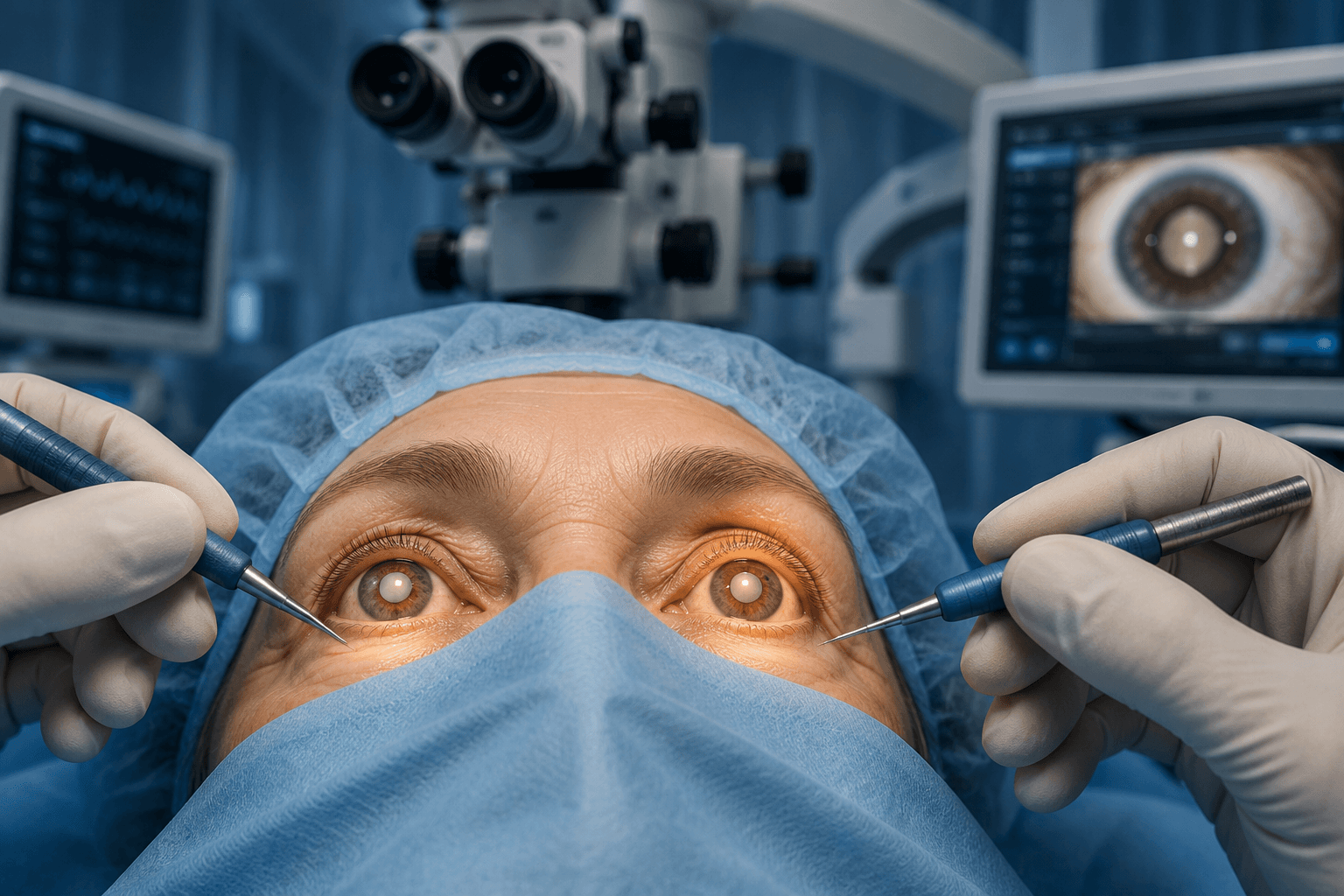
Diabetic patients develop cataracts earlier and more rapidly, with dimmed colours, glare sensitivity and difficulty with night vision.
Glaucoma
Diabetic individuals face an elevated risk of optic nerve damage from raised eye pressure, often without early warning signs.
Blurry vision is often one of the earliest noticeable signs — read our full guide on blurry vision and diabetes to understand the five different causes.
Early Warning Signs
Seek prompt examination if you notice:
Living with diabetes? Protect your vision early.
Regular screening catches diabetic eye disease before it threatens your sight.
Protecting Your Vision
Annual comprehensive dilated eye examinations, even without symptoms
Managing blood sugar, blood pressure and cholesterol
Quitting smoking, which accelerates diabetic eye disease
A balanced diet, regular exercise and proper hydration
Prompt treatment through laser therapy, injections or surgery when needed
For a deeper look at the specific habits that make the biggest difference, see our guide to preventing vision loss from diabetic eye disease.
Treatment Options
Intravitreal eye injections for macular oedema
Laser therapy for retinopathy
Cataract surgery
Glaucoma management with medication or surgery
Conclusion
Diabetes doesn't have to mean vision loss. With early detection, consistent screening and the right treatment when needed, most people with diabetes maintain healthy vision for life.
Frequently Asked Questions
Yes — conditions like vitreous haemorrhage or retinal detachment can develop suddenly and require urgent care.

Written by
Dr Parth ShahDr Parth Shah is director and principal ophthalmologist at Clarity Eye Surgeons, specialising in eye injections for diabetic retinal disease.
Medical disclaimer: This article is for educational purposes only and does not constitute medical advice, diagnosis, or treatment. Always consult a qualified ophthalmologist or healthcare professional regarding any eye condition or before making any healthcare decisions. Read our full disclaimer.
Protect your vision from diabetes-related damage
Book a comprehensive diabetic eye screening to catch problems early.