The 5 Most Common Conditions
Myopia (Short-Sightedness)
Children see near objects clearly but struggle with distant ones.
Hyperopia (Long-Sightedness)
Distance vision is clearer, but near tasks like reading can be difficult.
Astigmatism
Blurred or distorted vision at all distances due to an irregular corneal shape.
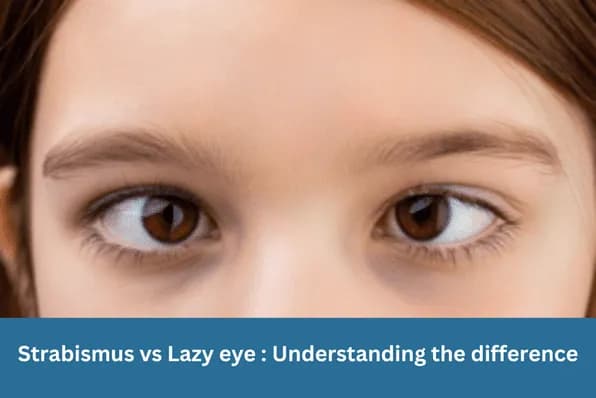
Strabismus
One or both eyes are misaligned, leading to double vision or poor depth perception.
Amblyopia (Lazy Eye)
One eye becomes weaker because the brain favours the other.
Warning Signs Parents Should Watch For
Children often don't realise they have a vision problem, since they assume everyone sees the same way they do.
Squinting, tilting the head, or covering one eye to focus
Frequent eye rubbing or complaints of headaches
Difficulty reading or losing place while reading
Sitting too close to the TV or holding books too near
Clumsiness or poor hand-eye coordination
Notice any of these signs in your child?
A comprehensive eye exam is far more accurate than a school screening — book one today.
When Should Children Have Their First Eye Test?
By Age 3
First comprehensive eye test (earlier with family history)
Every 1–2 Yrs
Recommended follow-up frequency
80%
Of classroom learning is visual
What Causes Vision Problems in Children?
Genetics
Conditions like myopia or strabismus often run in families.
Screen Time
Excessive screen use can contribute to digital eye strain and early-onset myopia.
Developmental Issues
Sometimes the brain doesn't process signals from one eye correctly, leading to amblyopia.
Poor vision can look like a learning problem
Treatment Options
Every treatment plan is customised based on your child's unique needs and lifestyle.
Conclusion
Most childhood vision problems are highly treatable when caught early. Since children rarely report vision changes themselves, regular eye exams and watching for the warning signs above are the best tools parents have to protect their child's learning, confidence and long-term eye health.
Frequently Asked Questions
Every 1–2 years, or more frequently if a problem has been identified, or if there's a family history of eye conditions.
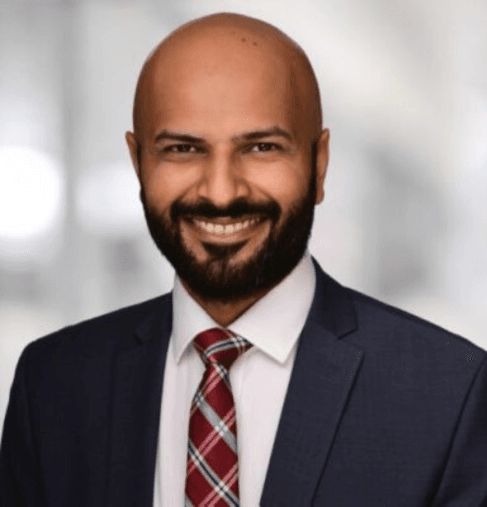
Written by
Dr Parth ShahDr Parth Shah is director and principal ophthalmologist at Clarity Eye Surgeons, highly experienced in diagnosing and managing childhood eye conditions.
Medical disclaimer: This article is for educational purposes only and does not constitute medical advice, diagnosis, or treatment. Always consult a qualified ophthalmologist or healthcare professional regarding any eye condition or before making any healthcare decisions. Read our full disclaimer.
Help your child see (and learn) clearly
Book a free paediatric eye assessment with our Braddon ophthalmologists.