
Table of Contents
ToggleDigital screen use & children’s eyes: How much is too much?
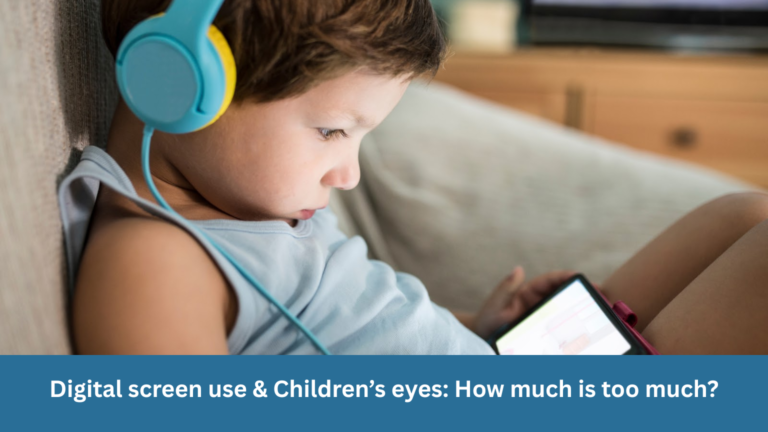
At Clarity Eye Surgeons in Canberra, Dr Parth Shah frequently sees children and parents concerned about the impact of digital devices on young eyes. With tablets, smartphones, laptops and smartboards now embedded in education and daily life, screen exposure in children has increased dramatically. While technology offers many benefits, excessive or unbalanced screen use can affect visual development, eye comfort and long-term eye health.
Understanding how screens influence children’s eyes and learning to strike a healthy balance is essential for protecting vision during critical growth years.
Understanding screen use and why children’s eyes are different
Children’s eyes are not simply “small adult eyes”. They are still developing, particularly in early childhood and adolescence. Visual systems mature over time, and excessive near-focused activities—such as prolonged screen use—can influence how the eye grows and functions.
Digital screens require sustained near focus, reduced blinking and prolonged attention. In children, this can contribute to eye strain, dry eye symptoms, headaches and may play a role in the progression of short-sightedness (myopia).
How much screen time is considered safe for children?
There is no single “one-size-fits-all” answer.
General screen time recommendations
- Under 2 years: No screen time.
- Ages 2–5 years: Maximum of 1 hour per day, supervised and high-quality content
- Ages 6–12 years: Ideally no more than 2 hours per day of recreational screen use
- Teenagers: Balanced use with regular breaks and outdoor activity, especially during study-heavy periods
Importantly, these limits do not include essential schoolwork, but even educational screen use should be broken into shorter sessions.
Common eye-related problems linked to excessive screen use
Digital eye strain (computer vision syndrome)
Children may experience:
- Sore or tired eyes.
- Headaches
- Blurred vision.
- Difficulty concentrating.
- Squinting or rubbing the eyes.
These symptoms often worsen after long screen sessions without breaks.
Myopia (short-sightedness) progression
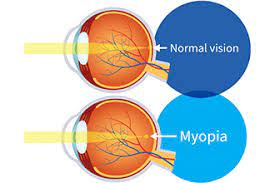
Research shows that prolonged near work and reduced outdoor time are associated with increasing rates of progressive childhood myopia.
Key contributing factors include:
- Long hours of close-up screen use.
- Holding devices too close to the face.
- Minimal exposure to natural daylight.
Myopia progression in childhood increases the risk of serious eye conditions later in life, such as retinal detachment, glaucoma and macular degeneration.
Dry eye symptoms in children
Although often considered an adult condition, dry eye is increasingly seen in children who spend long periods on screens.
Reduced blinking during screen use can lead to:
- Grittiness or burning sensations.
- Red or watery eyes.
- Sensitivity to light.
Warning signs parents should not ignore
Parents should consider an eye examination if a child:
- Complains of frequent headaches.
- Sits very close to screens or books.
- Squints or tilts their head.
- Avoids reading or schoolwork.
- Has declining school performance.
- Experiences eye discomfort after screen use.
Early assessment allows problems to be identified before they impact learning or long-term vision.
How Clarity Eye Surgeons support children’s eye health?
At Clarity Eye Surgeons, children’s eye care focuses on early detection, prevention and education.
Our approach includes:
- Comprehensive paediatric eye examinations.
- Myopia risk assessment and monitoring.
- Lifestyle and screen-use counselling for families.
- Evidence-based strategies to slow myopia progression.
- Clear guidance tailored to each child’s age and visual needs.
Dr Parth Shah emphasises collaboration with parents to create realistic, sustainable habits that protect children’s eyesight without removing the benefits of technology.
Practical tips to protect children’s eyes in a digital world
Follow the 20–20–20 rule
Every 20 minutes, encourage your child to:
- Look at something 20 feet away (or 6 metres).
- For at least 20 seconds.
This relaxes the eye’s focusing system.
Encourage outdoor play
At least 2 hours of outdoor time daily has been shown to reduce the risk of myopia progression.
Optimise screen setup
- Screens at arm’s length.
- Top of the screen at or slightly below eye level.
- Good lighting to avoid glare.
- Avoid screens in dark rooms.
Promote healthy blinking
Remind children to blink fully and frequently during screen use.
Set device-free times
- No screens during meals.
- No screens at least 1 hour before bedtime.
- Keep devices out of bedrooms overnight.
Expected eye health outcomes with balanced screen use
When screen habits are well managed:
- Eye strain symptoms reduce.
- Focus and comfort improve.
- Risk of rapid myopia progression decreases.
- Children maintain better attention and learning performance.
Balanced screen use supports both visual health and overall wellbeing.
Conclusion
Digital devices are now an unavoidable part of childhood, but excessive screen time can place unnecessary strain on developing eyes. Understanding safe limits, recognising early warning signs and encouraging healthy visual habits are key to protecting children’s vision.
With expert guidance, proactive eye care and simple lifestyle adjustments, children can enjoy technology without compromising their long-term eye health. If you are concerned about your child’s screen use or vision, book a comprehensive eye assessment at Clarity Eye Surgeons today and gain confidence in safeguarding your child’s eyesight.
Author bio
Dr Parth Shah is a director and principal ophthalmologist at Clarity Eye Surgeons in Canberra. With extensive training and experience, he is renowned for his expertise in the field. Dr Parth Shah is dedicated not only to performing successful surgeries but also to patient education. His compassionate approach, combined with technical proficiency, has earned him the trust and gratitude of countless patients. He is a true advocate for eye health and a trusted name in the Canberra ophthalmology community.
FAQs
Current evidence suggests blue light from digital screens does not cause permanent eye damage in children. However, it may contribute to eye strain and disrupted sleep patterns, especially when screens are used in the evening.
E-ink e-readers may cause less eye fatigue than backlit screens, but prolonged near focus can still strain the eyes. Regular breaks and proper viewing distance remain essential regardless of the device type.
Yes. Poor posture during screen use can lead to neck strain, shoulder tension and headaches, which may be mistaken for eye problems. Proper ergonomics play an important role in overall visual comfort.
Television is generally viewed from a greater distance, which reduces near-focus strain compared to handheld devices. However, long viewing hours without breaks can still cause eye fatigue.
Screen glasses may help some children with existing refractive errors or eye strain, but they are not necessary for all children. A professional eye examination is required before considering them.
Extended screen exposure may reduce opportunities for real-world visual-motor development, particularly in younger children. Activities like sports, drawing and outdoor play support healthy visual processing.
Yes. From an eye health perspective, the visual demand is similar. The risk relates to duration and viewing habits rather than the type of content being used.