Table of Contents
ToggleUnderstanding Hypertropia: Causes, Symptoms, and Treatment Options
What is Hypertropia?
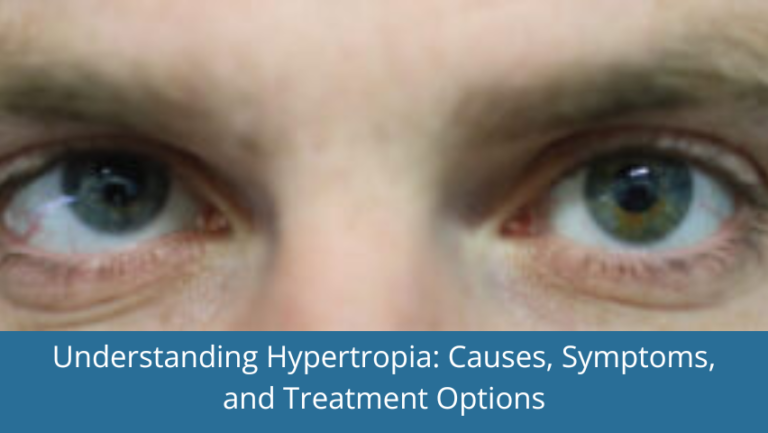
Hypertropia, a form of strabismus, is a condition characterised by the upward deviation of one eye relative to the other. Often referred to as “vertical misalignment” or “high eye,” hypertropia can affect individuals of all ages, impacting their visual alignment and potentially leading to various symptoms.
In this blog post, we will delve into the causes, symptoms, and treatment options for hypertropia, emphasising the importance of early diagnosis and suitable interventions.
Causes of Hypertropia
- Muscular Imbalance: Similar to esotropia, hypertropia can result from an imbalance in the muscles controlling eye movement. If the muscles responsible for moving the eyes upward are weaker than those pulling them downward, hypertropia occurs.
- Nerve Palsy: Damage or paralysis of the nerves controlling eye movement can lead to hypertropia. Conditions such as cranial nerve palsies, often caused by trauma or certain medical conditions, may contribute to this form of strabismus.
- Thyroid Eye Disease: Hypertropia can be associated with thyroid eye disease (thyroid orbitopathy), an autoimmune condition that affects the muscles and tissues around the eyes, causing inflammation and changes in eye alignment. Graves disease is often associated with infiltration and inflammation of the inferior rectus muscles, resulting in vertical eye misalignment.
- Congenital Factors: Some individuals may be born with a hypertropia related to superior oblique muscle weakness, indicating a pre-existing misalignment that becomes more apparent as they grow and develop.
Symptoms of Hypertropia
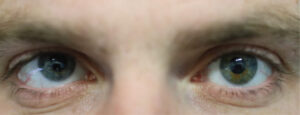
- Misaligned Eyes: The primary symptom of hypertropia is the upward deviation of one eye relative to the other, which can lead to an appearance of eye misalignment.
- Double Vision: Individuals with hypertropia may experience vertical separation of images and double vision.
- Head Tilting: To compensate for the misalignment and alleviate double vision, individuals with hypertropia may tilt their heads, usually away from the side that has the hypertropia.
- Eye Strain and Fatigue: Individuals struggling to align the eyes can experience eye strain and fatigue, particularly during activities that require sustained visual focus.
Treatment Options
1. Corrective Lenses: Prescription glasses may be prescribed to correct any refractive errors contributing to hypertropia, addressing the misalignment associated with focusing issues.
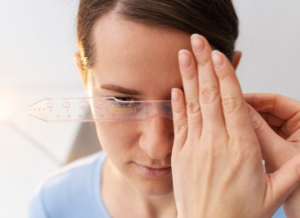
2. Prism Glasses: Prism glasses, which have special lenses to redirect light, can be prescribed to help alleviate double vision and improve eye alignment in some cases.
3. Eye exercises: Similar to esotropia, eye exercises can be beneficial in improving eye coordination and strengthening the muscles responsible for eye movement.
4. Eye muscle (strabismus) surgery: Strabismus Surgery may be recommended for cases of hypertropia that do not respond well to non-invasive treatments. The procedure aims to adjust the eye muscles to achieve improved balance and eye alignment.
Conclusion
Whether you have noticed symptoms in yourself or a loved one, understanding the causes and seeking timely professional guidance for hypertropia and eye misalignment is important for effective management. At Clarity Eye Surgeons, we are committed to providing personalised solutions for hypertropia and other eye conditions. Your vision is our priority.
Contact us today to schedule a consultation with us.
Author Bio
Dr Parth Shah is a director and principal ophthalmologist at Clarity Eye Surgeons in Canberra, specialising in strabismus surgery and cataract surgery. With extensive training and experience, he is renowned for his expertise in the field. Dr Shah is dedicated not only to performing successful surgeries but also to patient education. His compassionate approach, combined with technical proficiency, has earned him the trust and gratitude of countless patients. He is a true advocate for eye health and a trusted name in the Canberra ophthalmology community.
FAQs
Hypertropia can develop gradually or suddenly, depending on the underlying cause, such as nerve injury or an acute illness.
Diagnosis typically involves a comprehensive eye exam, including visual acuity tests, eye alignment assessments, and potentially imaging studies to evaluate eye muscle function.
While professional treatment is crucial, some individuals may benefit from regular breaks during visual tasks, proper lighting, and ergonomic adjustments to reduce eye strain.
Hypertropia can occur at any age but may be more commonly identified in children or individuals with underlying health conditions, such as thyroid disease.
If left untreated, hypertropia can lead to persistent double vision, amblyopia (lazy eye), and may affect depth perception, impacting overall quality of life.
Other blogs related to Strabismus
The impact of strabismus on academic performance in children
Table of Contents Toggle Introduction Advanced Techniques Comparing the Techniques: Conclusion: FAQs Other blogs related to Strabismus The impact of strabismus on academic performance in
Strabismus surgery and its impact on binocular vision
Table of Contents Toggle Introduction Advanced Techniques Comparing the Techniques: Conclusion: FAQs Other blogs related to Strabismus Strabismus surgery and its impact on binocular vision
Strabismus vs Lazy eye: Understanding the difference
Table of Contents Toggle Introduction Advanced Techniques Comparing the Techniques: Conclusion: FAQs Other blogs related to Strabismus Strabismus vs Lazy eye: Understanding the difference When
What to expect before, during and after strabismus surgery?
Table of Contents Toggle Introduction Advanced Techniques Comparing the Techniques: Conclusion: FAQs Other blogs related to Strabismus What to expect before, during and after strabismus
Strabismus surgery: The role of customised surgical plans for optimal outcomes.
Table of Contents Toggle Introduction Advanced Techniques Comparing the Techniques: Conclusion: FAQs Other blogs related to Strabismus Strabismus surgery: The role of customised surgical plans
Understanding Cyclotropia: Causes,
Symptoms and Treatment Options
Table of Contents Toggle Introduction Advanced Techniques Comparing the Techniques: Conclusion: FAQs Other blogs related to Strabismus Understanding Cyclotropia: Causes, Symptoms and Treatment Options What
Understanding Hypotropia: Causes,
Symptoms and Treatment Options
Table of Contents Toggle Introduction Advanced Techniques Comparing the Techniques: Conclusion: FAQs Other blogs related to Strabismus Understanding Hypotropia: Causes, Symptoms and Treatment Options What
Understanding Hypertropia: Causes, Symptoms, and Treatment Options
Table of Contents Toggle Introduction Advanced Techniques Comparing the Techniques: Conclusion: FAQs Other blogs related to Strabismus Understanding Hypertropia: Causes, Symptoms, and Treatment Options What
Understanding Exotropia: Causes, Symptoms, and Treatment Options
Table of Contents Toggle Introduction Advanced Techniques Comparing the Techniques: Conclusion: FAQs Other blogs related to Strabismus Understanding Exotropia: Causes, Symptoms, and Treatment Options What
Esotropia: Causes, Symptoms, and Treatment
Table of Contents Toggle Introduction Advanced Techniques Comparing the Techniques: Conclusion: FAQs Other blogs related to Strabismus Understanding Esotropia: Symptoms, Causes, and Treatment Options What
Understanding Strabismus in Adults: Causes, Diagnosis & Treatment
Table of Contents Toggle Introduction Advanced Techniques Comparing the Techniques: Conclusion: FAQs Other blogs related to Strabismus Understanding Strabismus in Adults: Causes, Diagnosis & Treatment
Understanding Strabismus in Children: Causes, Treatment, and What Parents Need to Know
Table of Contents Toggle Introduction Advanced Techniques Comparing the Techniques: Conclusion: FAQs Other blogs related to Strabismus Understanding Strabismus in Children: Causes, Diagnosis & Treatment

Advanced Techniques in Strabismus Surgery: A Comprehensive Guide
Table of Contents Toggle Introduction Advanced Techniques Comparing the Techniques: Conclusion: FAQs Other blogs related to Strabismus Advanced Techniques in Strabismus Surgery: A Comprehensive Guide