

How long is vision blurry after an eye injection?

How long is vision blurry after an eye injection?

Eye injections are a common and highly effective treatment for several retinal conditions. While the idea of an injection into the eye can sound worrying, the procedure is quick, safe, and routinely performed across Australia.

One of the most common questions patients ask is: How long will my vision stay blurry after an eye injection?

In this article, we explain what to expect, how long blurred vision typically lasts, and when you should seek advice from your eye specialist.

What is an eye injection?

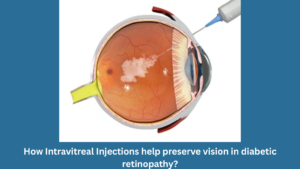
An eye injection, also known as an intravitreal injection, delivers medication directly into the vitreous (the gel inside the eye). It is commonly used to treat conditions such as:

Medications such as anti-VEGF agents help reduce fluid, swelling, and abnormal blood vessel growth in the retina.

How long does blurred vision last after an eye injection?

For most patients, blurred vision lasts:

A few hours to 24 hours after the procedure.

In some cases, mild blurring may persist for up to 2–3 days.

The exact duration depends on several factors, including:

  • The type of medication used.

  • Your underlying eye condition.

  • Your eye’s natural healing response.

Why is vision blurry after the injection?

Blurred vision after an eye injection is usually temporary and can be caused by:

The antiseptic solution

A yellow antiseptic (povidone-iodine) may be used to clean the eye before the injection. This can temporarily affect clarity.

Air bubbles

Small air bubbles may be introduced during the injection. These can cause floating shadows or blurred spots that disappear within a day or two.

Mild inflammation

Your eye may experience minor irritation or inflammation, leading to temporary blurred vision.

Tear film disruption

The procedure can temporarily disturb the tear film, affecting sharpness.

What is normal after an eye injection?

What is normal after an eye injection?

It is normal to experience:

  • Blurred or hazy vision.

  • Mild redness.

  • Slight discomfort or scratchy sensation.

  • Small floaters.

  • Watery eyes.

These symptoms usually settle within 24–48 hours.

When should you be concerned?

Although complications are rare, contact your eye specialist urgently if you notice:

  • Severe or worsening pain.

  • Sudden significant drop in vision.

  • Increasing redness.

  • Sensitivity to light.

  • Thick discharge.

These may be signs of infection (endophthalmitis), which requires immediate treatment.

Can you drive after an eye injection?

Because your vision may be blurry for several hours, it is recommended that you:

  • Arrange for someone to drive you home.

  • Avoid driving until your vision clears.

  • Rest your eyes for the remainder of the day.

Most patients resume normal activities the next day.

Tips to recover comfortably

To support recovery:

  • Avoid rubbing your eyes.

  • Use prescribed eye drops as directed.

  • Avoid swimming for a few days.

  • Monitor your vision carefully.

If you receive ongoing injections as part of your treatment plan, your specialist will guide you on what is normal for your specific condition.

Conclusion

Blurred vision after an eye injection is common and usually short-lived, resolving within 24 hours for most people. Mild symptoms are expected, but severe pain or sudden vision loss should always be checked immediately.

If you are receiving retinal injections or have concerns about changes in your vision, the experienced team at Clarity Eye Surgeons is here to help. Our Canberra-based specialists provide expert retinal care using advanced treatment techniques in a safe and supportive environment.

Book a consultation today with Clarity Eye Surgeons and take the next step towards protecting your sight.

Author bio

Dr Parth Shah is a director and principal ophthalmologist at Clarity Eye Surgeons in Canberra, specialising in eye injections for retinal disease, cataract surgery & strabismus (eye muscle) surgery. With extensive training and experience, he is renowned for his expertise in the field. Dr Shah is dedicated not only to performing successful surgeries but also to patient education. His compassionate approach, combined with technical proficiency, has earned him the trust and gratitude of countless patients. He is a true advocate for eye health and a trusted name in the Canberra ophthalmology community.

FAQs

Not always. While some patients notice improvement within a few days, many experience gradual vision improvement over several weeks as the medication begins reducing swelling in the retina.

The number of injections depends on your condition. Some patients require monthly injections initially, followed by less frequent maintenance treatments. Your ophthalmologist will tailor a schedule based on your response.

Yes, seeing small floaters or moving spots is common after an injection. These are often tiny air bubbles or medication particles and typically disappear within a few days.

Eye injections usually help stabilise vision and prevent further deterioration. In many cases, they can improve vision, but the outcome depends on the underlying retinal condition and how early treatment begins.

Some patients notice mild dryness or sensitivity over time. However, with proper technique and monitoring, repeated injections are generally safe and well tolerated.

Most people return to work the next day, provided their vision has cleared and their job does not require immediate sharp visual focus on the day of the procedure.

Other blogs related to Eye Injections