Uveitis and other inflammatory eye diseases can cause significant discomfort, blurred vision and long-term complications if not treated promptly.
At Clarity Eye Surgeons in Canberra, the team is experienced in managing complex inflammatory eye conditions using a tailored approach that includes eye injections, advanced imaging and ongoing monitoring.
These treatments help control inflammation quickly and protect long-term vision, especially when other options such as drops or oral medication are not enough.
Understanding uveitis and why inflammation matters
Uveitis refers to inflammation inside the eye, affecting structures such as the iris, ciliary body or choroid. Inflammatory eye diseases may arise from autoimmune conditions, infections or unknown causes. Regardless of the trigger, unchecked inflammation can damage delicate eye tissues—including the retina and optic nerve—leading to permanent vision loss.
Eye injections play an important role because they deliver medication directly to the affected tissues. This provides stronger, faster and more targeted treatment, minimising the need for high-dose oral steroids, which can cause systemic side effects. For many patients, injections are a vital component of a long-term strategy to stabilise vision and prevent recurrences.
How eye injections help in uveitis and inflammatory eye disease?
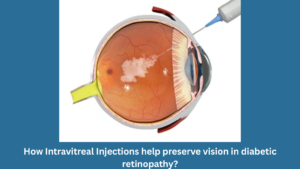
Eye injections (also known as intravitreal or periocular injections) deliver anti-inflammatory medication precisely where it is needed. They are especially useful when:
- The inflammation is moderate to severe.
- Eye drops are insufficient.
- Oral steroids are causing unwanted side effects.
- Vision is being threatened by swelling or fluid buildup.
Common medications used
Intravitreal corticosteroids
These help settle inflammation rapidly and are effective for treating retinal swelling (macular oedema), vasculitis and chronic uveitis.
Periocular steroid injections
Placed around the eye rather than inside it, these can control inflammation without exposing the rest of the body to unnecessary medications.
Immunomodulatory injections (e.g., biologics)
Used in select cases when inflammation is caused by autoimmune conditions and requires targeted therapy.
Benefits of eye injections
- Fast reduction in inflammation.
- Improved clarity and comfort.
- Reduced swelling at the macula.
- Better control of flare-ups.
- Lower reliance on systemic steroids.
For many patients, injections are a key part of achieving long-term disease control while protecting eye structures from irreversible damage.
Types of injections and what makes them different
These involve placing medication directly into the vitreous cavity. They are highly precise, making them the preferred method when the retina or macula is affected.
Sub-Tenon or periocular injections
These are administered around the eye rather than inside it. They are often used when inflammation is more generalised or when internal injection is not suitable.
Long-acting steroid implants
Some patients benefit from sustained-release implants that can control inflammation for months or even years, reducing the frequency of injections.
Expected treatment experience and recovery
Eye injections at Clarity Eye Surgeons are performed with a highly refined and comfortable technique.
During the procedure
- A local anaesthetic is used to numb the eye.
- The surface of the eye is cleaned thoroughly.
- The injection is administered through a tiny opening.
- The process typically takes less than a minute.
- Most patients describe it as pressure rather than pain.
Recovery timeline
Day 1:
Mild scratchiness or a feeling of “something in the eye” is common.
Within a few days:
Inflammation often begins settling and vision gradually improves.
1–2 weeks:
Most patients experience clearer vision and reduced symptoms.
Ongoing:
Regular follow-up ensures inflammation stays under control, and additional injections may be scheduled depending on response.
Patients usually return to daily activities quickly with minimal restrictions.
Risks, considerations and safety for inflammatory eye disease patients
Eye injections are very safe, but patients with inflammatory eye conditions often require closer monitoring.
Possible risks include:
- Temporary floaters.
- Mild redness or irritation.
- Slight rise in intraocular pressure (IOP).
- Very rare risks such as infection. (endophthalmitis)
Inflammatory eye disease can be unpredictable, but with the right care, patients can maintain stable and functional vision for many years.
Conclusion
Eye injections are a powerful and effective treatment for uveitis and other inflammatory eye diseases. By targeting inflammation directly, they help preserve vision, reduce recurrence and protect the eye from long-term damage. With expert guidance and advanced care, Clarity Eye Surgeons deliver safe, reliable and personalised treatment plans to manage even the most challenging inflammatory conditions.
If you are experiencing symptoms or need specialist care for uveitis or eye inflammation, book a consultation with Clarity Eye Surgeons in Canberra and take the next step toward healthier vision.
Author Bio
Dr Parth Shah is a director and principal ophthalmologist at Clarity Eye Surgeons in Canberra, specialising in eye injections. With extensive training and experience, he is renowned for his expertise in the field. Dr Shah is dedicated not only to performing successful surgeries but also to patient education. His compassionate approach, combined with technical proficiency, has earned him the trust and gratitude of countless patients. He is a true advocate for eye health and a trusted name in the Canberra ophthalmology community.
FAQs