
Table of Contents
ToggleCan Diplopia after cataract surgery be prevented?

Cataract surgery is one of the most widely performed procedures worldwide, known for its success in restoring vision to millions of people each year. However, like any surgical procedure, cataract surgery comes with its own set of potential complications. One such complication, though rare, is diplopia, or double vision. This condition can cause discomfort and confusion for patients, especially if they were previously experiencing blurry or impaired vision due to cataracts. In this detailed blog, we will explore the causes of diplopia after cataract surgery, how it can be prevented, and the steps both patients and surgeons can take to minimise its risk.
What is Diplopia?
Diplopia refers to the perception of two images of a single object, either side-by-side, one on top of the other, or at an angle. It can occur in one or both eyes, and the cause is often related to the alignment of the eyes. In the context of cataract surgery, diplopia typically arises when the alignment of the eyes or the visual system is disrupted post-surgery. Diplopia may be temporary or persistent, depending on its underlying cause.
After cataract surgery, patients may experience temporary blurred or double vision due to the healing process, but in some cases, the problem persists beyond the initial recovery phase, necessitating further medical intervention.
Common causes of Diplopia after cataract surgery
Understanding the causes of diplopia is crucial in identifying preventive measures. There are several key factors that can contribute to the development of double vision after cataract surgery:
1. Ocular muscle imbalance
Cataract surgery involves making a small incision in the eye and manipulating the lens and surrounding structures. In some cases, this manipulation may temporarily affect the eye muscles, leading to an imbalance that can result in double vision. Ocular muscle imbalance is one of the most common causes of diplopia following cataract surgery.
2. Residual refractive error
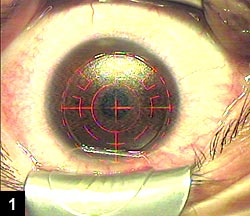
Despite the precision of modern cataract surgery, it is still possible for a small amount of refractive error to remain, such as astigmatism, nearsightedness (myopia), or farsightedness (hyperopia). This residual refractive error can lead to visual disturbances like diplopia.
3. Dry eye syndrome

Dry eye is a well-known side effect of cataract surgery. The procedure can cause temporary disruption to the tear film or decrease the eye’s natural ability to lubricate itself. Dryness can cause irritation, discomfort, and blurry vision, which may mimic or contribute to diplopia.\
4. Macular oedema
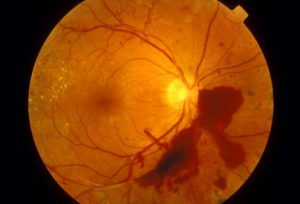
Macular oedema is the swelling of the central retina after surgery, which can affect the clarity of vision. Although macular edema is a rare complication, it can occur in some patients after cataract surgery, leading to blurry vision or double vision.
5. Lens misalignment
During cataract surgery, the natural, cloudy lens of the eye is replaced with an artificial intraocular lens (IOL). If the IOL is not properly positioned or becomes misaligned post-surgery, it can affect the focusing ability of the eye. This misalignment can cause double vision by disrupting the natural alignment of light entering the eye.
6. Damage to eye nerves
Although very rare, damage to the nerves controlling the movement of the eye can occur during cataract surgery. This nerve damage can cause misalignment in eye movements, leading to double vision. This condition, known as strabismus, occurs when the eyes are unable to work together properly.
Can diplopia after cataract surgery be prevented?
While not all cases of diplopia after cataract surgery can be prevented, there are several proactive steps both patients and surgeons can take to reduce the risk of this complication. Prevention is largely based on careful surgical planning, execution, and post-operative care.
1. Comprehensive pre-surgical evaluation
Before cataract surgery, a detailed examination of the patient’s eye health is crucial. This includes checking for any pre-existing conditions that may increase the risk of complications, such as strabismus (misalignment of the eyes), dry eye syndrome, or any other conditions affecting the eye muscles. By addressing these issues early, surgeons can minimise the likelihood of diplopia.
2. Accurate intraocular lens (IOL) selection
Choosing the right IOL is essential to achieving optimal visual outcomes. There are different types of IOLs available, including monofocal, multifocal, and toric lenses. For patients with pre-existing astigmatism, toric lenses can help correct this refractive error and reduce the chances of visual distortions like double vision. An experienced surgeon will carefully select the IOL that best meets the patient’s specific needs.
3. Precision in surgical technique
One of the most important factors in preventing diplopia is ensuring the IOL is placed correctly during surgery. The lens must be centered and aligned to avoid causing optical issues that lead to misalignment. A skilled surgeon will use advanced technology to ensure precision in the placement of the lens. Surgeons should also be cautious of damaging surrounding tissues, which could contribute to ocular muscle imbalance or nerve damage.
4. Treatment of dry eyes
Dry eye is common after cataract surgery, and its management is critical in preventing complications such as diplopia. Surgeons may recommend pre-surgical treatments to address dry eyes or advise patients to use lubricating eye drops or other treatments following surgery. Managing dryness ensures that the visual system is not compromised by irritation or blurry vision caused by insufficient lubrication.
5. Follow-up care and monitoring
Post-operative care is vital in ensuring that any complications, including diplopia, are caught early. After cataract surgery, patients should attend follow-up appointments to monitor healing and ensure that the IOL is properly positioned. If any issues arise, they can be addressed promptly, preventing long-term problems.
6. Managing pre-existing conditions
If the patient has pre-existing eye conditions such as strabismus or nerve damage, these should be treated before cataract surgery to minimise the risk of double vision. Pre-operative consultations can help identify and address these conditions, reducing the chances of complications.
What to do if Diplopia occurs after cataract surgery?
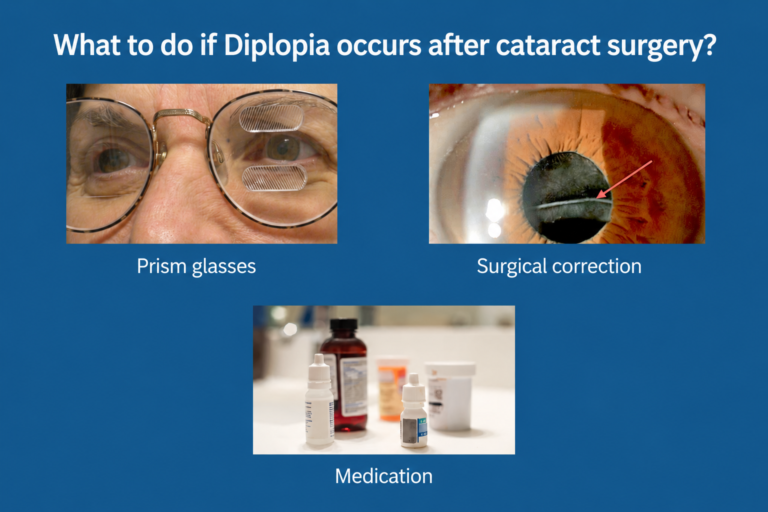
If you experience diplopia after cataract surgery, it is important to contact your surgeon promptly. The treatment for diplopia will depend on its cause:
- Prism glasses: For minor misalignment, prism glasses may be recommended to correct the double vision. These glasses help by adjusting how light enters the eyes, reducing or eliminating the double image.
- Surgical correction: In cases where the IOL has shifted or there is ocular muscle imbalance, corrective surgery may be required. This may involve repositioning the IOL or adjusting the eye muscles to restore proper alignment.
- Medication: If macular edema or dry eye is causing visual issues, medication, anti-inflammatory drugs, or lubricating eye drops may be prescribed to reduce inflammation and alleviate symptoms.
Conclusion
While diplopia after cataract surgery is a rare occurrence, it can significantly impact the patient’s quality of life if it arises. By understanding the potential causes and taking preventive measures—such as proper lens selection, precise surgical techniques, and effective post-operative care—patients and surgeons can minimise the risk of this complication. If diplopia does occur, prompt treatment can often resolve the issue and restore optimal vision.
At Clarity Eye Surgeons, we are committed to providing the highest standard of care and ensuring that your cataract surgery results in improved vision and comfort. If you have concerns about cataract surgery or are experiencing symptoms of diplopia, contact our clinic today for a consultation with our experienced team of specialists. We are here to guide you through every step of your journey to better eye health.
Author bio
Dr Parth Shah is a leading ophthalmologist in Canberra, specialising in cataract surgery and strabismus surgery. With extensive training and experience, he is renowned for his expertise in the field. Dr Shah is dedicated not only to performing successful surgeries but also to patient education. His compassionate approach, combined with technical proficiency, has earned him the trust and gratitude of countless patients. He is a true advocate for eye health and a trusted name in the Canberra ophthalmology community.
FAQs
Diplopia can develop both immediately or over time, depending on the underlying cause, such as IOL misalignment or muscle imbalance. In some cases, it may be temporary and resolve as healing progresses.
Older patients may have a higher risk due to the presence of pre-existing conditions like strabismus, dry eye, or age-related changes in eye muscles. However, it is still a relatively rare occurrence.
While diplopia is usually a temporary condition, it can occasionally signal issues like nerve damage or macular oedema. It is important to seek medical advice if the problem persists.
The duration of diplopia depends on its cause. If the issue is related to temporary muscle imbalance or dry eyes, it may resolve within a few days to weeks. More serious causes may require longer treatment.
Following the surgeon’s post-operative instructions, managing dry eye symptoms, and attending regular follow-up appointments can help minimise the risk of diplopia and support a successful recovery.
While multifocal IOLs are designed to provide better vision at various distances, they can sometimes cause visual disturbances like haloes or glare, which may mimic diplopia in some cases. This is different from true double vision.
Patients with conditions like strabismus may have a higher likelihood of developing diplopia after cataract surgery. Your surgeon will discuss these risks with you, and evaluate whether treatment of the strabismus would be valuable, and if so, whether this should be done before or after cataract surgery.