
Table of Contents
ToggleBlepharitis: causes, symptoms, and how an ophthalmologist can help?
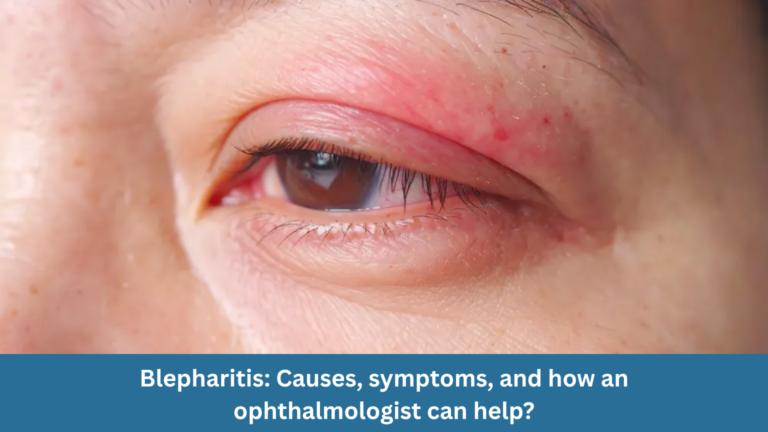
Blepharitis is a common but often frustrating eye condition that causes inflammation of the eyelids. While it is usually not sight-threatening, it can significantly affect comfort, vision quality, and daily life if left unmanaged.
Understanding the causes, recognising the symptoms early, and knowing when to see an ophthalmologist can make a real difference in controlling this condition.
What is blepharitis?
Blepharitis is inflammation along the edges of the eyelids, often affecting both eyes. It typically occurs where the eyelashes grow and can lead to irritation, redness, and crusting around the eyelids.
Although it can not always be cured completely, it is highly manageable with the right care and treatment.
Common causes of blepharitis
Blepharitis does not have a single cause. Instead, it often develops due to a combination of factors:
1. Bacterial overgrowth
A build-up of naturally occurring bacteria along the eyelid margin can trigger inflammation.
2. Blocked oil glands
The tiny oil glands (meibomian glands) in your eyelids can become clogged, leading to irritation and dryness.
3. Skin conditions
Conditions such as rosacea, or seborrhoeic dermatitis (often presents with dandruff) can increase the risk of blepharitis.
4. Allergies or irritants
Reactions to eye makeup, contact lens solutions, or environmental factors may contribute.
5. Eyelash mites (demodex)
Microscopic mites that live on the eyelashes can sometimes overpopulate and cause inflammation.
Symptoms to watch for
Blepharitis symptoms are often worse in the morning and may fluctuate over time. Common signs include:
- Red, swollen eyelids.
- Itchy or irritated eyes.
- Crusting or flakes around the eyelashes.
- Burning or stinging sensation.
- Watery or dry eyes.
- Sensitivity to light.
- Blurred vision that improves with blinking.
Some people also experience a gritty feeling, as if something is in the eye.
Types of blepharitis
Blepharitis is generally classified into two main types:
- Anterior blepharitis – affects the front of the eyelid where eyelashes attach.
- Posterior blepharitis – involves the inner edge of the eyelid and oil glands.
Both types may occur together and contribute to ongoing symptoms.
How can an ophthalmologist help?
While mild cases can sometimes be managed at home or with your community optometrist, persistent or severe blepharitis may require ophthalmologist input.
1. Accurate diagnosis
An ophthalmologist will examine your eyelids using specialised instruments to identify the underlying cause and rule out other conditions.
2. Personalised treatment plan
Treatment depends on the cause and severity, and may include:
- Warm compresses to unblock oil glands.
- Eyelid cleaning routines.
- Lubricating eye drops for dryness.
- Topical antibiotic or anti-inflammatory medications.
- Oral antibiotics- this would be the primary reason to see an ophthalmologist rather than an optometrist.
3. Management of underlying conditions
If blepharitis is linked to skin conditions like rosacea or chronic dry eye, they may recommend you have this treated to prevent recurrence.
4. Prevention of complications
Untreated blepharitis can lead to issues such as styes, chalazion, or chronic dry eye. Early care helps reduce these risks.
Practical tips to manage blepharitis
In addition to medical treatment, consistent daily care is essential:
- Clean your eyelids gently with diluted baby shampoo or specialised lid wipes.
- Apply warm compresses for 5–10 minutes daily.
- Avoid eye makeup during flare-ups.
- Replace old cosmetics regularly.
- Maintain good contact lens hygiene.
When should you see an ophthalmologist?
You should seek specialist care if:
- Your symptoms persist despite consistent treatment.
- You experience significant blurring of vision or light sensitivity.
- You experience frequent stye or eyelid swelling.
- The condition keeps recurring.
Conclusion
Blepharitis is a chronic but manageable condition. With the right combination of eyelid hygiene, medical treatment, and expert guidance, most people can keep symptoms well under control.
If you are experiencing ongoing irritation or discomfort, consulting an experienced ophthalmologist can help you get a clear diagnosis and tailored treatment plan—so you can protect both your eye health and quality of life.
For personalised care and expert management, book a consultation with Clarity Eye Surgeons.Their experienced team offers advanced diagnosis and customised treatment plans to help you find lasting relief and maintain healthy, comfortable eyes.
Author Bio
Dr Parth Shah is a director and principal ophthalmologist at Clarity Eye Surgeons in Canberra, specialising in paediatric ophthalmology. With extensive training and experience, he is renowned for his expertise in the field. Dr Shah is dedicated not only to performing successful surgeries but also to patient education. His compassionate approach, combined with technical proficiency, has earned him the trust and gratitude of countless patients. He is a true advocate for eye health and a trusted name in the Canberra ophthalmology community.
FAQs
No, blepharitis is not contagious. It cannot be spread from person to person, even though bacteria may play a role in its development.
Blepharitis usually does not resolve completely on its own. While symptoms may improve temporarily, ongoing eyelid care is typically needed to keep it under control.
Most people start noticing improvement within a few days to weeks of consistent eyelid hygiene and treatment, but long-term maintenance is often required.
You may be able to wear contact lenses, but during flare-ups, it is best to avoid them as they can worsen irritation. Your ophthalmologist can guide you based on your condition.
Blepharitis itself usually does not cause permanent vision loss. However, if left untreated, it can lead to complications that may temporarily affect vision.
Yes, a diet rich in omega-3 fatty acids (such as flaxseeds, walnuts, and fish) may help improve oil gland function and reduce inflammation.
Yes, blepharitis is one of the leading causes of dry eye, especially when the oil glands in the eyelids are affected.